Your China & Yunnan Travel Experts


Getting around China is easiest when each journey is matched to distance, luggage, language needs and the day's activities. High-speed rail, domestic flights, metro systems, buses, taxis, ferries and private transfers all solve different problems. This guide helps independent Canadian travelers build a resilient transport plan rather than treating one mode as universally best.
High-speed rail High-speed trains are usually the strongest choice between well-connected cities: stations are often closer to urban centers than airports, departures are frequent on major corridors and the journey can be used productively. Passport details must match the booking, and popular departures can sell out. Review the China high-speed train guide before choosing stations.
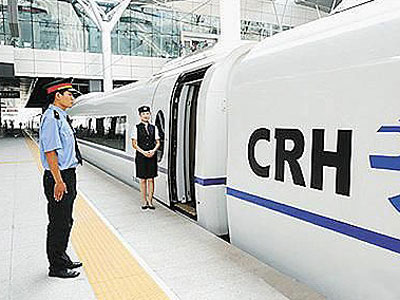
Domestic flights Flights become more useful across very long distances, for plateau or frontier regions, and where rail routing is indirect. Compare total door-to-door time—including airport transfers, check-in and possible weather delays—not only the scheduled flight duration.
| Decision factor | High-speed rail | Domestic flight |
| Best use | City pairs with a direct train and a manageable rail journey, especially when both stations connect well to the planned hotels. | Long cross-country sectors, remote gateways or a route where one flight prevents the loss of most of a sightseeing day. |
| Total cost | Include the ticket, station transfer, meals and the value of arriving nearer the city. Different train classes have different space and refund terms. | Include airport transfers, checked baggage, seat or change fees and the cost of disruption. The lowest fare may be restrictive. |
| Comfort and logistics | Boarding is generally straightforward, but large stations require time for security, navigation and platform access. Keep the passport and ticket details available. | Useful for distance, but airports add security, baggage rules and longer buffers. Carry essential medication and one change of clothing in cabin baggage. |
| Environmental and route impact | Rail can reduce the need for airport transfers and works especially well on a linear city sequence. | A flight may still be the practical option when it replaces a very long surface journey or difficult connection. |
Conventional trains and long-distance coaches can serve routes not covered by high-speed rail and may reduce cost, but they demand more time and careful station checking. Never assume two stations with the same city name are interchangeable. For the wider network, use the China transportation overview.
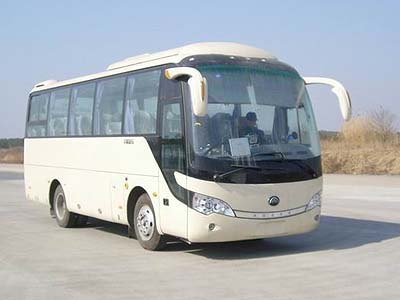
Metro: In cities with extensive systems, the metro is predictable and avoids road congestion. Identify the correct station exit, keep a payment backup and allow extra time for security at major hubs. Accessibility varies by entrance and transfer passage.
Public bus: Buses reach neighborhoods beyond the metro but are harder for a first-time visitor when stop announcements, routes or payment are unfamiliar. Save the destination in Chinese and confirm the direction before boarding.
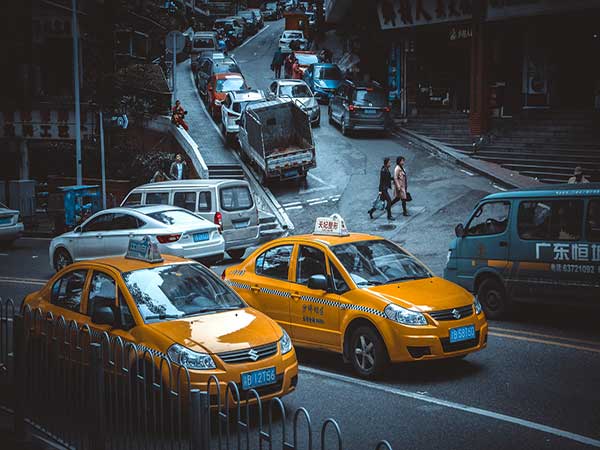
Taxi and ride-hailing: Use an official taxi queue or a recognized platform, verify the plate and destination, and keep the hotel's Chinese address. Road traffic can make a taxi slower than rail at peak periods; never accept an unsolicited station tout.
Boat and ferry: Ferries are essential or scenic on selected routes, such as approved services to islands. Schedules can change with weather and local controls, so confirm the correct passenger terminal and keep a land-based alternative where possible.
Public bus or scenic shuttle: Many mountain, village and heritage sites use a gateway station plus a site shuttle. Check the final return, exact boarding point and whether admission includes internal transport. Do not rely on the last possible connection.
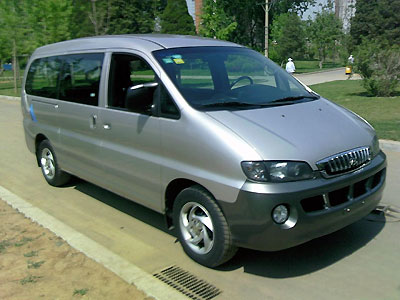
Private transfer: A licensed vehicle can be sensible for families, mobility needs, heavy luggage or places with several road transfers. Agree on pickup, route, waiting time, inclusions and emergency contact in writing. Add transport confirmations to the China travel checklist for Canadians.

From $ 2498

From $ 23332100

From $ 22782050
Editorial accountability
Hu Lei, CEO. The named owner is responsible for travel-planning accuracy and escalation of time-sensitive checks.
Yuntian Travel (Yunnan) Group is identified in its corporate profile as a licensed professional inbound travel service provider based in Kunming, China. Registration and travel-service documents can be requested before booking.
Page-specific references where cited, official destination, transport and entry notices, YUNSKY route-planning records, and direct provider confirmation before a booking is finalized.
Content is reviewed when rules, transport, access, pricing or route conditions change. Final availability and operating details are reconfirmed for each traveler’s dates.
Quality review: Page updated: