Your China & Yunnan Travel Experts


There is no single best month for every China itinerary. Weather, altitude, public holidays, seasonal scenery and transport demand vary across a country spanning tropical coasts, high plateaus, deserts and cold northern winters. Use this month-by-month guide to match a destination to the experience you want, then verify the latest forecast and operating notices before departure.
For many first-time city-and-heritage routes, spring and autumn offer a useful balance of temperature and daylight. That does not make every March or October ideal: regional rain, altitude, dust, heat and holiday demand still matter. Compare the route with the China climate guide rather than applying one national average.
Summer can bring heat, humidity, heavy rain and school-holiday demand, while northern winter routes require serious cold-weather preparation. Major public-holiday periods may increase crowds and reduce transport flexibility. These are planning constraints, not automatic “no-go” dates; a well-matched regional itinerary can still work.
◆ Harbin
Choose Harbin for a purpose-built winter trip, not as a casual add-on. Insulated footwear, face protection and warm indoor breaks matter, and festival dates or ticket rules should be confirmed close to travel.
◆ Lhasa
Lhasa can have bright winter days and cold nights, with fewer conventional sightseeing crowds. High altitude remains the central planning issue, and access permits and regional transport must be confirmed through current official channels.
◆ Mohe
Mohe offers a far-northern winter landscape, but extremely low temperatures and limited daylight require specialist packing and conservative outdoor timing. Aurora sightings are never guaranteed.
◆ Xishuangbanna
Southern Yunnan is a warmer January alternative with tropical vegetation and Dai cultural sites. Evenings can be cooler than expected, and popular festival periods may change availability.
◆ Hainan
Hainan suits travelers seeking beaches and a warm coastal break. Choose the exact coast by resort style and sea conditions, and do not assume every day will be dry or calm.
◆ Jilin
Rime scenery depends on temperature, moisture and wind, so it cannot be promised for a specific morning. Pair the visit with broader winter activities and check local conditions before setting out.
◆ Pingyao
Pingyao can be atmospheric around Lunar New Year, but festival dates, closures and crowds vary. Stay within or near the old city when evening atmosphere matters, and protect time for its courtyard and financial-history museums.
◆ Nujiang, Yunnan
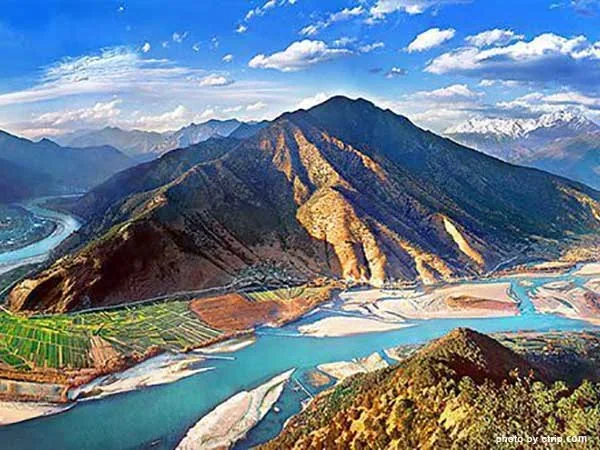
The Nujiang valley can offer dramatic winter scenery, yet road distances and mountain conditions make a slow itinerary essential. Verify local access and do not compress the gorge into a rushed day trip.
◆ Wuhan
Cherry-blossom timing changes with annual weather. Treat bloom forecasts as estimates, reserve popular gardens if required and add museums or riverfront architecture so the trip does not depend on flowers alone.
◆ Yangzhou
Early spring suits Yangzhou's gardens, canals and historic streets. Cool rain is possible, so combine outdoor walks with indoor cultural stops rather than scheduling one long exposed day.
◆ Ili Valley
Wild apricot bloom is brief and weather-dependent, while Xinjiang distances are substantial. Confirm the flowering area, road time and current access before building a trip around one image.
◆ Nyingchi
Peach blossoms against highland scenery can be compelling, but altitude, permits, road conditions and variable bloom dates require advance planning. Acclimatization is more important than maximizing daily mileage.
◆ Zhangjiajie
Spring greenery and mist can add depth to the sandstone landscape. Rain may also obscure viewpoints and make paths slippery, so keep at least one flexible period and choose lifts or walking routes according to mobility.
◆ Jiangnan Water Towns
Canals and historic lanes around Shanghai and Zhejiang suit a slower spring day. Select one town by architecture, travel time and crowd tolerance rather than trying to collect several similar stops.
◆ Qingdao
Qingdao combines coastal walks, German-era architecture and modern neighborhoods. Sea winds can remain cool, making layers more useful than relying on an inland temperature forecast.
◆ Beihai
Beihai can work before the most intense summer heat, but beach quality and ferry conditions vary. Confirm any Weizhou Island sailing and keep a mainland alternative.
◆ Xijiang Miao Village
Late spring brings green hills and long daylight, but the village is also a living tourism community. Stay respectfully, distinguish staged performances from everyday life and explore Guizhou beyond a single viewpoint.
◆ Daocheng Yading
Snowmelt and access conditions vary at high elevation. The route involves altitude and walking demands; build acclimatization time and never present one calendar month as a guarantee of open trails.
◆ Fenghuang
Fenghuang's riverside lanes are attractive in softer spring weather. An overnight stay reveals a different rhythm from a fast daytime stop, while rain can make stone paving slippery.
◆ Dali
Early summer in Dali mixes highland sun with the rainy season. Base the stay around the old town, villages and Erhai scenery, and keep indoor or café time for showers. Explore regional options through China destinations.
◆ Qinghai Lake
Grassland and lakeside scenery develop through early summer, but flowering dates vary and the altitude can affect new arrivals. Use sun protection and avoid an overfilled first day.
◆ Zhangye
Long daylight helps with Danxia viewpoints and Hexi Corridor heritage. Heat, wind and timed shuttle systems can shape the day, so verify entry slots and avoid judging colors by edited photographs.
◆ Mount Tai
A summit sunrise requires more than choosing July. Heat, thunderstorms, crowds, stair volume and overnight logistics all matter. Consider a cableway-supported route when fitness or weather makes a full ascent unsuitable.
◆ Bashang and Northern Grasslands
Green summer landscapes can be pleasant, but midday sun and sudden rain remain possible. Choose established operators for riding activities and avoid assuming every grassland experience is interchangeable.
◆ Enshi
Gorges, caves and forested scenery offer alternatives to major eastern cities. Wet paths, river conditions and road transfers require practical footwear and a route with margin for weather.
◆ Tibet
August is within the wetter plateau season and not automatically the clearest month for distant peaks. It can still suit cultural and landscape travel when permits, altitude, road conditions and weather flexibility are built in.
◆ Inner Mongolia
Grassland routes are popular in summer, but distances between Hohhot, Hulunbuir and desert areas are vast. Select one subregion and understand the cultural context instead of using “Inner Mongolia” as one stop.
◆ Liupanshui
Liupanshui is promoted for a milder summer climate, yet the surrounding Guizhou route matters more than a slogan. Combine it with caves, villages or rail-accessible cities and prepare for rain.
◆ Dunhuang
September often offers more manageable desert temperatures than midsummer. Mogao Cave visits are capacity-controlled, so protect the confirmed reservation and plan dunes or Yumen Pass around realistic transfer time.
◆ Nanjing
Early autumn can still be warm, while later weeks gradually suit city-wall, mausoleum and neighborhood walks. Build the route around history and urban form rather than promising peak foliage on fixed dates.
◆ Kanas
Autumn color is brief and highly demanded. Weather can turn cold quickly, accommodation is dispersed and scenic-area transport takes time; reserve early and carry layers.
◆ Ejina
Golden poplar color depends on annual conditions and creates a short, crowded season. Long desert transfers and limited beds mean this is a specialist photography route, not an effortless addition to Beijing.
◆ Bashang
October can shift rapidly from autumn color to colder, barer landscapes. Verify current conditions and choose lodging with adequate heating rather than relying on old seasonal photographs.
◆ Jiuzhaigou
Autumn forests and colored lakes attract heavy demand. Use the official ticketing and shuttle system, allow for elevation and weather, and do not combine the park with distant Sichuan sites too quickly.
◆ Wuyuan
Wuyuan is better understood as a network of villages than one viewpoint. Late-autumn color varies, so choose villages for architecture, hiking and local context rather than a single red-leaf promise.
◆ Xiapu
Tidal flats are shaped by tide, light, weather and working aquaculture. Photography schedules should respect local activity and use tide information rather than fixed “best shot” times copied from an old article.
◆ Changbai Mountain
November can mark the transition into severe winter conditions. Access to the summit area depends on weather and operations, so treat Tianchi views as a possibility rather than a guarantee.
◆ Qiandao Lake
This reservoir region offers water scenery and quieter cycling or village routes after peak summer. Select an island cruise or land-based plan according to weather and actual interests.
◆ Beijing
Cold, dry weather can bring crisp heritage days and fewer conventional tour groups. Prepare for wind, shorter daylight and possible seasonal closures, and separate outdoor palace time from a long Great Wall day.
◆ Dali and Wuliang Mountain
Western Yunnan can offer bright winter travel, but Wuliang Mountain flowering and access are seasonal variables. Confirm local conditions and pack for the temperature difference between sunny afternoons and nights. Use the China packing guide to adapt layers to the route.

From $ 2498
From $ 23332100

From $ 22782050
Editorial accountability
Hu Lei, CEO. The named owner is responsible for travel-planning accuracy and escalation of time-sensitive checks.
Yuntian Travel (Yunnan) Group is identified in its corporate profile as a licensed professional inbound travel service provider based in Kunming, China. Registration and travel-service documents can be requested before booking.
Page-specific references where cited, official destination, transport and entry notices, YUNSKY route-planning records, and direct provider confirmation before a booking is finalized.
Content is reviewed when rules, transport, access, pricing or route conditions change. Final availability and operating details are reconfirmed for each traveler’s dates.
Quality review: Page updated: