Reviewed August 28, 2026. Shop for Chongqing specialties by asking where and how an item was made, not by relying on a generic “local” label. This guide covers five products that are practical to inspect and explains what can be documented. Start with the
Chongqing travel guide to group shopping with your city route.
Chongqing has strong food and craft traditions, but origin, material and production method vary between sellers. Fuling zhacai is a protected geographical-indication food associated with Fuling; Rongchang folding fans are an officially documented regional craft. Shu embroidery belongs to the wider Sichuan cultural region and is sold in Chongqing, yet a Sichuan-style motif alone does not prove hand embroidery or local production.
For packaged food, check the producer, place of production, ingredients, allergens, net weight, production date, storage instructions and an intact seal. For craftwork, request the maker or workshop name, materials, dimensions and whether the decoration is handmade, machine-assisted or printed. Keep an itemized receipt and confirm destination-country rules before packing meat, seeds, fresh fruit or fermented food.
Three Gorges Inkstone
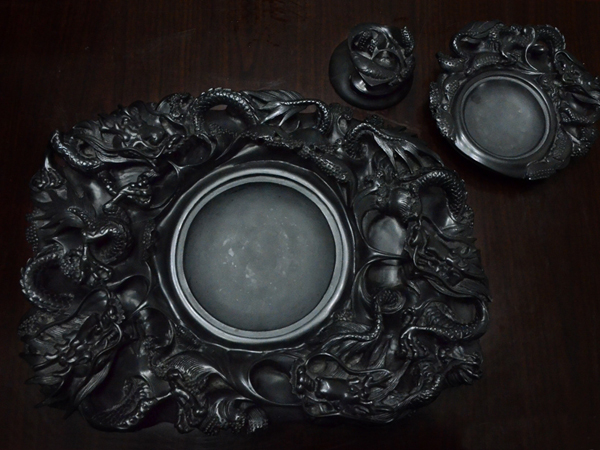
An inkstone is a working tool for grinding an ink stick with water. Sellers may use “Three Gorges” broadly, so ask for the stone type, quarry or workshop, maker and carving method rather than accepting an unsupported geological story. Examine the basin and grinding surface in raking light: they should be stable, free from active cracks and suited to making ink, while decorative relief should not interfere with use. The retained photograph shows the correct object type.
If the shop allows a demonstration, add a few drops of clean water and watch whether an ink stick moves smoothly without catching. Do not scratch the surface or perform an improvised hardness test. A heavy object is not automatically older or better. Pack the stone separately from its lid, protect carved edges and keep it out of checked baggage when weight and airline rules allow. For a calligraphy-oriented retail walk, compare shops around
Jiefangbei.

Three Gorges inkstone used for grinding an ink stick
Shu Embroidery
Shu embroidery is recognized as a major Sichuan needlework tradition. Quality is visible in controlled stitch direction, smooth colour transitions, secure edges and a clean ground fabric. Ask to see the reverse when the mounting permits, and distinguish hand embroidery from machine embroidery or a printed image with surface stitching. The retained photograph remains paired with this section.
A traditional subject does not establish age, authorship or heritage status. Request the fibre content, technique, maker or studio, completion date and mounting materials in writing. For framed work, inspect the glazing, backing and signs of trapped moisture. Keep embroidery away from direct sun, damp walls and pressure against the stitched surface.

Shu embroidery detail sold as a regional Sichuan craft
Museum collections and official heritage records support the craft tradition; they do not authenticate an individual market item. A named artisan, traceable workshop and specific materials are stronger buying signals than a mass-produced certificate with no verifiable issuer.
Rongchang Folding Fan
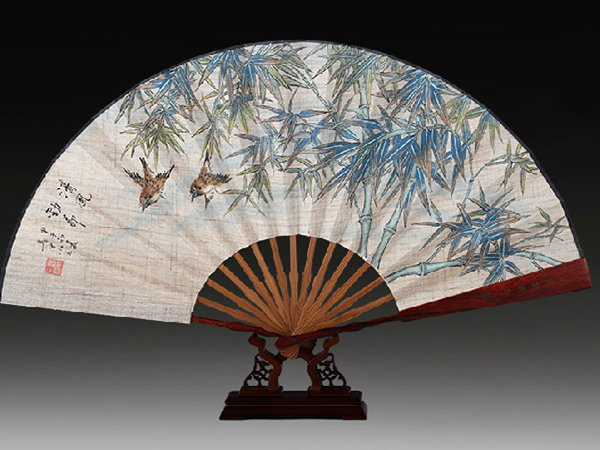
Rongchang folding fans are associated with Rongchang District, and Chongqing's cultural authorities document the craft as an established local tradition. Inspect whether the ribs open evenly, the pivot is secure and the paper or silk leaf lies without tearing or excessive adhesive. Ask what the ribs and leaf are made from and whether painting, calligraphy or carving was completed by hand.

Rongchang folding fan with decorated paper leaf
Open and close a display fan only with permission. Pack the fan closed in a rigid sleeve, keep it dry and do not place luggage weight on the ribs. Compare workmanship rather than assuming that a higher price or an “old-style” motif proves age. For a wider regional comparison, see the Chengdu specialties guide.
Jiangjin Citrus
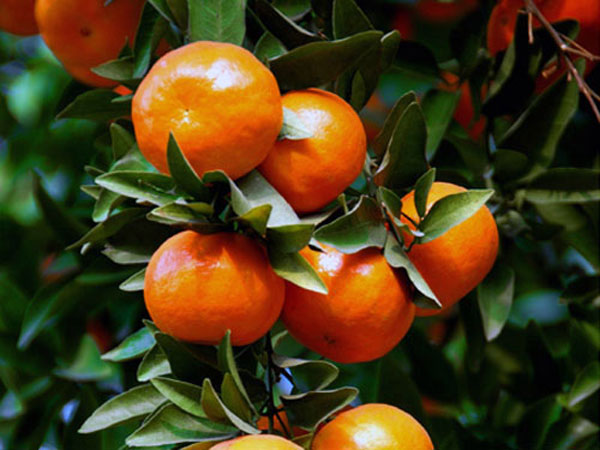
Jiangjin is a long-established citrus-growing area, but varieties and harvest windows differ. Buy fresh fruit only for consumption during the trip unless your destination explicitly permits import. Look for sound skin, no leaking or mould, and a seller who can name the variety and growing area. The retained image shows Jiangjin oranges and belongs with this section; it is not evidence for a royal-tribute claim.

Fresh Jiangjin oranges from Chongqing
Hechuan Walnut Slice
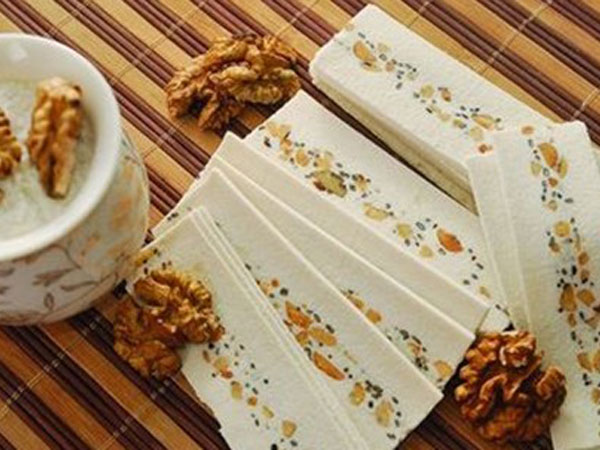
Hechuan walnut slice is a sweet, chewy local food commonly made with glutinous rice and walnut, with recipes varying by producer. Check the ingredient and allergen panel—especially nuts—as well as the production date, best-before date and storage guidance. Choose sealed packaging for travel, protect it from heat and do not describe a modern retail pack as handmade unless the producer says so. Last reviewed: August 28, 2026; stock, workshops and food-import rules remain time-sensitive.

Packaged Hechuan walnut slices with visible walnut pieces