Your China & Yunnan Travel Experts


Location and orientation: Jiefangbei stands at the junction of Minquan Road, Minzu Road and Zourong Road in central Yuzhong District, Chongqing. Save the Chinese destination “解放碑” and the exact restaurant or exit separately: Jiefangbei is the downtown landmark, while Jiangbei is a different district across the river.
What this guide helps you choose: A useful visit combines the Liberation Monument, the pedestrian retail grid and one or two Chongqing food categories. It does not depend on an old list of malls, fixed stall addresses or prices that may already have changed.
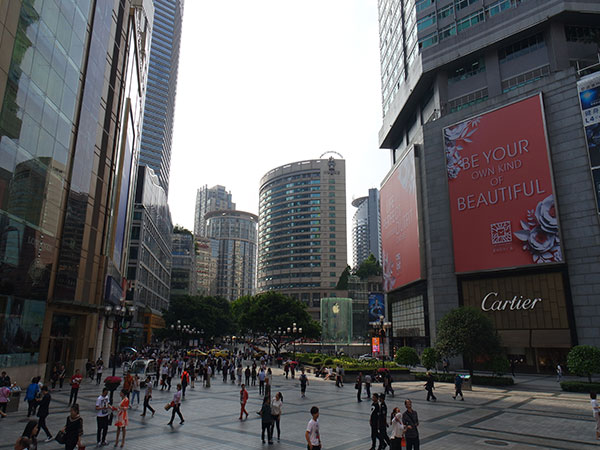
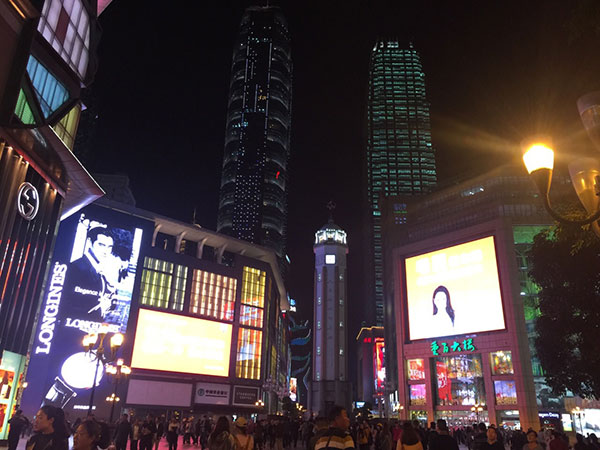
Reviewed: August 28, 2026. Start with the Chongqing overview if this is your first day in the municipality; the hills, layered streets and different districts make a map pin more reliable than a familiar-sounding English name. Why the monument matters: The Chongqing municipal government records that the predecessor “Spiritual Fortress” was completed in 1941, renamed after victory in the War of Resistance, and given its present People's Liberation Monument name in 1950. The monument is a documented civic landmark rather than a decorative entrance to a shopping street. Read the on-site interpretation, keep entrances clear, and distinguish the monument's history from commercial slogans used by surrounding shops.
How the district works today:
The official address is 177 Minzu Road. The monument area is open urban space, but shops, restaurants, roofs, exhibitions and pedestrian-control arrangements have their own hours and rules. Municipal guidance identifies Line 2 Linjiangmen and Lines 1/6 Xiaoshizi as useful rail approaches; recheck the live metro map and the exit serving your next stop. Do not use “Jiangbei Pedestrian Street” as an alternative name. Jiangbei District and Jiefangbei in Yuzhong are separate destinations; this correction prevents a taxi, metro or hotel search from sending a traveler to the wrong side of the river.
The practical core is walkable but three-dimensional: Bayi Road, Jiaochangkou, Daijia Lane and the river-facing slopes are connected by stairs, ramps, lifts and multi-level buildings. GPS can show a point as close while leaving a steep level change. Ask for a step-free route when needed and allow extra time in heat, rain or holiday crowds.
Food and shopping strategy:
Use the Chongqing shopping guide to compare districts before buying. Around Jiefangbei, prioritize a licensed venue, a visible menu, a written price and a dish you actually want; famous-street positioning alone does not establish quality, origin or value.
1. Jianghu cuisine: bold shared dishes
Jianghu cuisine is a modern popular label for robust Chongqing-style cooking, often featuring chilli, Sichuan pepper, garlic and generous oil. Choose one main dish and a mild vegetable or soup for balance; do not repeat the old claim that one named alley restaurant or a “freshly killed” fish is an evergreen must. Ask how fish is priced and weighed, and never accept a wildlife dish of unclear legal origin.
2. Chongqing hotpot: broth and cooking control
Cook raw meat, offal and seafood thoroughly and use separate utensils for raw and cooked food. Tripe is chosen for texture but still needs the restaurant's recommended cooking time. Beef-tallow broth can be rich and salty; pace the meal, drink water and stop if the heat is uncomfortable. A busy room is not proof of hygiene, so check the venue rather than following a queue blindly.
3. Yundougao or iron-mould rice cake: a small hot snack
This griddled rice-batter snack is valued for a crisp edge and soft centre when served hot. It is a better short walking snack than a “must-buy souvenir”: eat it promptly, avoid a stall where cooked pieces sit uncovered for long periods, and carry waste until a bin. Travelers with coeliac disease should not assume rice batter means a gluten-free preparation because tools and added ingredients may be shared.
4. Guokui: layered stuffed flatbread
A good guokui should arrive hot with a crisp, layered crust and a cooked-through centre. It can be oily and crumbly; share one before ordering more and avoid packing it beside electronics or textiles. Sesame and wheat are common, while meat fillings require careful hot holding. The category is useful; the old “local favourite” superlative and permanent shop recommendation were not verifiable.
5. Chaoshou: Chongqing-style wontons
Chaoshou are folded dumplings usually served in chilli oil or broth. A clear-broth version is a practical option for a traveler managing heat, though it may still share stock and utensils with spicy or meat dishes. Eat while hot, inspect the filling for doneness, and do not equate an English comparison with ramen to a historical relationship between the foods.
6. Bingfen: cooling texture, not a medical antidote
Bingfen is a cool jelly dessert commonly served with brown-sugar syrup and toppings. It can feel soothing after a spicy meal, but it does not neutralize capsaicin or protect the stomach. Choose a clean counter with properly stored fruit, and ask for fewer toppings if allergen identification is uncertain. The old page's named dessert shop and mango recommendation were time-sensitive, so this guide keeps the transferable decision instead.
7. Chuanchuan: skewers cooked in broth
Choose ingredients in small rounds, keep raw skewers away from personal chopsticks, and cook meat and seafood fully. Cilantro beef and pickled-chilli beef are popular combinations but neither is essential. Travelers should avoid taking food directly from an unrefrigerated open display in hot weather. Treat “champion” or “locals swear by it” language as marketing unless an award and date can be verified.
8. Chongqing xiaomian and pea-paste noodles
Xiaomian is a useful solo breakfast or quick meal because the diner can choose broth, toppings and heat level. Pea-and-minced-pork sauce adds richness and texture but is not vegetarian. Wheat, soy, sesame, peanut and meat stock are common concerns. A bench-seat atmosphere can be memorable, yet it is not a quality test; prioritize a fresh bowl and an order staff can repeat back accurately.
9. Glutinous-rice snacks: check the filling
Textures range from soft and chewy to crisp where fried dough is added. Savoury versions can contain pork floss, egg or animal fat, while sweet coatings may include soybean, sesame or peanut. Eat fresh and supervise young children or anyone with swallowing difficulty because a dense sticky bite can be a choking risk. Do not pack an unrefrigerated moist filling for a long journey.
10. Douhua with rice and steamed dishes
Savory douhua is soft tofu served with rice and a seasoned dipping sauce, making it a calmer counterpoint to chilli-heavy dishes. Taste the sauce before pouring it over the bowl, and order one shared meat dish only if the group wants it. Remove the old fixed low-price claim: current cost depends on venue and portion, and an itemized menu is the safer benchmark.
Final planning checklist:
From on request

Hot
From $ 327
Editorial accountability
Hu Lei, CEO. The named owner is responsible for travel-planning accuracy and escalation of time-sensitive checks.
Yuntian Travel (Yunnan) Group is identified in its corporate profile as a licensed professional inbound travel service provider based in Kunming, China. Registration and travel-service documents can be requested before booking.
Page-specific references where cited, official destination, transport and entry notices, YUNSKY route-planning records, and direct provider confirmation before a booking is finalized.
Content is reviewed when rules, transport, access, pricing or route conditions change. Final availability and operating details are reconfirmed for each traveler’s dates.
Quality review: Page updated: