Your China & Yunnan Travel Experts


Guilin Sanhua Liquor: What It Is and How to Buy It Responsibly Guilin Sanhua is a rice-aroma baijiu associated with the city's food culture, but a useful travel guide must separate documented heritage from sales stories. Reviewed August 28, 2026, this page explains the bottle label, production claims, tasting, packing and customs checks that matter to an international visitor. Begin with the Guilin overview so a purchase fits the wider itinerary rather than becoming a rushed airport decision. The enduring facts are that Sanhua is a distilled spirit traditionally made with rice and small-qu starter culture, and that the traditional brewing craft is recognized at Guangxi regional intangible-cultural-heritage level. Alcohol strength, ingredients, age statements, vessel type and product line vary by bottle. “Sanhua” on a souvenir label therefore does not establish producer, method, geographic origin or quality by itself.
Use a decision sequence: identify the exact product category; read the producer and address; check alcohol by volume, net volume, ingredients, product standard and warning; inspect the closure and batch information; compare the same specification at two licensed sellers; then decide whether the bottle is for local tasting, a gift or air travel. Reject anonymous refills, damaged seals, missing Chinese labels, health promises and pressure to buy an “exclusive” vintage without written evidence.
What the Name and Label Can — and Cannot — Prove
Historical accounts connect rice-spirit production in Guilin with older local workshops, while the modern enterprise lineage is tied to the brewery established in 1952. That does not prove the old page's royal-service story, an uninterrupted Song-dynasty company, or a single explanation that the name means the liquor was brewed exactly three times. Treat those as traditions unless the specific claim is supported by a museum, archive or producer record. Heritage status recognizes knowledge and craft; it is not a certificate for every bottle sold in the city.
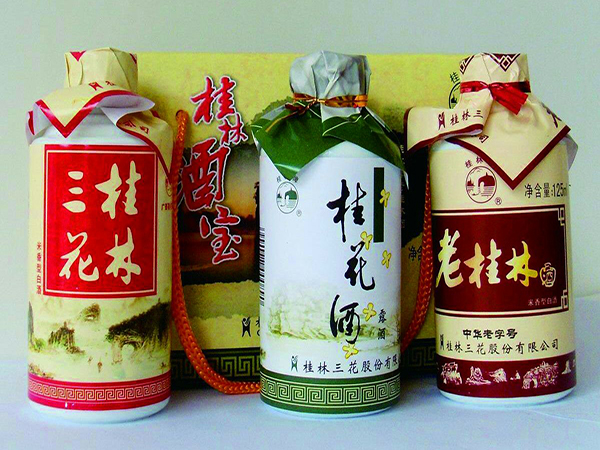
Bottle Check:
Read the Chinese label before price. Look for product name and category, manufacturer, production address, ingredients, alcohol by volume expressed as %vol, net volume, product standard, production or batch information and the required alcohol warning. A clear spirit may be genuine or poor; color and aroma alone cannot authenticate it. A gift box can hide a leaking cap, unreadable label or smaller volume, so inspect the bottle itself and retain the itemized receipt. Producer and retail check: buy from a licensed supermarket, established specialty shop or verifiable official channel. Match the payee on the receipt with the business, photograph the bottle and shelf label together, and question a price far outside the normal range for the same size and strength. “Cave aged,” “old cellar,” named hill or commemorative packaging are separate claims; ask what is guaranteed in writing and whether an age statement refers to the spirit, the blend or only the product series. The traditional production description usually refers to rice, water, small-qu fermentation, distillation and storage, but recipes and processes differ. Water-source imagery and Elephant Trunk Hill cave stories are part of the brand landscape, not a laboratory test. For a broader comparison of edible gifts, use the Guilin local-specialties guide; a sealed label is more useful for travel than an open tasting jar or decorative decanter.
History and Cultural Context
Local archival material records the traditional craft, the consolidation of notable workshops into a modern brewery in 1952, and later recognition as a time-honored brand. A responsible visitor can appreciate that continuity without claiming that today's liquid is identical to every historical recipe. Ask whether a tour, exhibition or cave visit is officially open on the day; production areas may restrict entry, photography, food and open flames, and a retail display is not automatically a working heritage site.
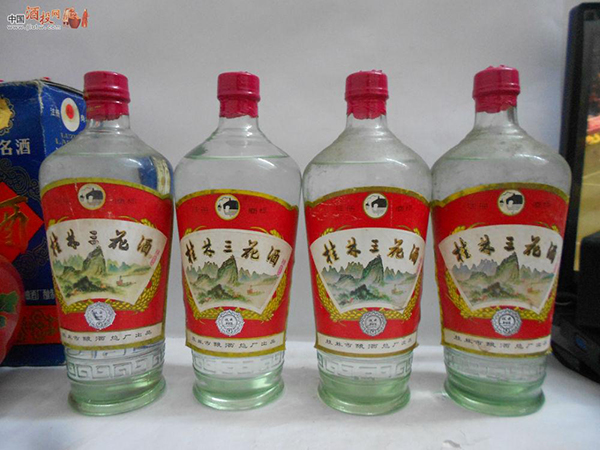
Sealed bottles of Guilin Sanhua rice-aroma baijiu with different strengths and package designs
Taste, Quality and Serving Decisions
Rice-aroma baijiu is commonly described as clear, clean and softly aromatic, but sensory preference is personal and alcohol strength changes the experience. If tasting is legal and appropriate, sample a measured amount after eating, use water between samples and compare only products whose labels you can identify. Do not infer quality from a strong “kick,” a seller's toast, bottle weight or the size of an aroma “flower” when shaken; those observations cannot replace standards, traceability or independent testing.
Alcohol is not a medicine. Remove the old claims that moderate drinking improves circulation, refreshes the body or benefits health. Do not drink before driving, boating, hiking on wet karst paths or taking sedating or interacting medication; pregnancy, certain health conditions, recovery from alcohol-use disorder and personal or religious choices are clear reasons to decline. Hosts can show hospitality with tea or food, and visitors should never be pressured to finish a cup.
Packing and customs plan: keep the unopened bottle in original retail packaging, place it in a leak-resistant bag with rigid cushioning, and separate it from clothing and fragile crafts. Airline dangerous-goods rules generally treat beverages above 24% and up to 70% alcohol differently from lower-strength drinks, while carriers, airport security and the destination country may impose stricter size or quantity limits. Check the operating airline and arrival customs before payment, not at the gate. For citywide store alternatives and last-minute purchases, consult the Guilin shopping guide. A practical visit takes 30–45 minutes: compare two exact bottles, photograph labels, confirm return terms, then stop; no souvenir is worth a missed train or an unsafe tasting.

Hot
From $ 245

Hot
From on request
Editorial accountability
Hu Lei, CEO. The named owner is responsible for travel-planning accuracy and escalation of time-sensitive checks.
Yuntian Travel (Yunnan) Group is identified in its corporate profile as a licensed professional inbound travel service provider based in Kunming, China. Registration and travel-service documents can be requested before booking.
Page-specific references where cited, official destination, transport and entry notices, YUNSKY route-planning records, and direct provider confirmation before a booking is finalized.
Content is reviewed when rules, transport, access, pricing or route conditions change. Final availability and operating details are reconfirmed for each traveler’s dates.
Quality review: Page updated: