Your China & Yunnan Travel Experts


Liuzhou Coffin Souvenirs: Culture, Materials and Customs The item most visitors encounter today is a miniature coffin-shaped craft, pendant or box—not a burial coffin. It is sold as a playful Liuzhou souvenir, but its form touches real funerary history and can feel uncomfortable in some cultures. Treat the object as a conversation about local craft and meaning, not a guaranteed lucky charm. Reviewed August 29, 2026.
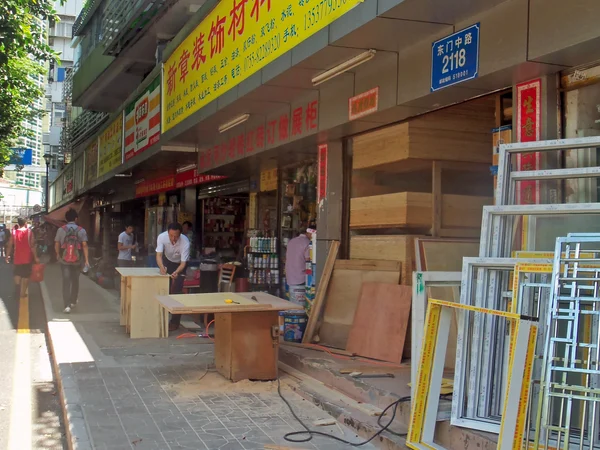
What is historically supportable? Liuzhou's local historical records document a past coffin-making and timber trade connected with water transport and woodworking. They describe an industry shaped by timber movement, specialist labor and changing burial practice; they do not prove every modern shop legend, timber claim or “ancient” origin attached to a souvenir. The popular sound association between guancai (coffin) and words for office and wealth is a contemporary sales explanation; present it as wordplay, not a promise of promotion or fortune. Statements linking one famous historical figure to the entire craft tradition should be treated as folklore unless a museum or dated local record documents them.
Miniature craft rather than funerary object Small pieces may function as a decorative box, key ring, desk ornament or novelty gift. Ask what the object is designed to do and inspect the hinge, lid, clasp and edges. If it opens, check the interior finish and whether a small part could detach; this matters around young children. If it is intended to hold jewelry or tea, ask whether the finish is suitable for direct contact rather than assuming any wood coating is food safe. A recognizable coffin shape is culturally specific; confirm that the recipient will welcome it before buying. Why Liuzhou is associated with it
Material and Finish Checklist
Ask for the wood species or alternative material in writing. “Solid wood,” “rosewood,” “nanmu” and “fragrant wood” are not interchangeable, and color, weight or odor alone cannot identify species. Ask whether the core is solid, laminated, veneered or composite and whether glue is visible at the joints. Check whether a finish is lacquer, oil, stain, paint or synthetic coating. Strong solvent odor, tacky surfaces, splinters, loose fittings, active dust, holes, bark and visible insects are reasons to leave the item. A smooth polished surface can still conceal an undisclosed species, so material documentation matters more than touch.
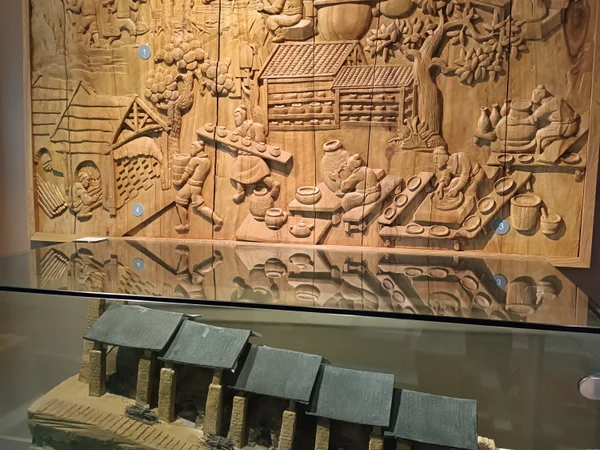
Measure the exact piece and decide how it will be packed. Test the lid gently without forcing it, compare both sides for warping, and inspect corners in good light. Handmade variation is normal; cracks, unstable joints and a misaligned hinge are condition issues. Rub only with a clean dry cloth where the seller permits—color transfer suggests an unstable surface. Request the material, dimensions, quantity and price on an itemized receipt, particularly when the seller makes a protected-timber or high-value claim. Ask how the surface should be cleaned and whether low humidity may loosen a joint after travel. Never apply food oil, perfume or household polish without maker or conservator guidance.
History, Provenance and Respect
Do not call a modern miniature an antique because it looks dark or distressed. If an item is described as old, excavated, made from historic coffin timber or culturally important, request lawful provenance and pause until export status is clear. Avoid human remains, grave goods, protected wildlife material and timber that cannot be identified lawfully. The Liuzhou shopping guide helps compare this niche craft with easier food and everyday gifts.
The souvenir's humor does not travel equally well. Explain its Liuzhou association and wordplay before gifting it, avoid jokes in active mourning contexts, and let the recipient decline. Ask permission before photographing artisans or ritual-related objects. A respectful purchase values disclosed workmanship and local history without turning beliefs about death into a stereotype.
Customs and Biosecurity
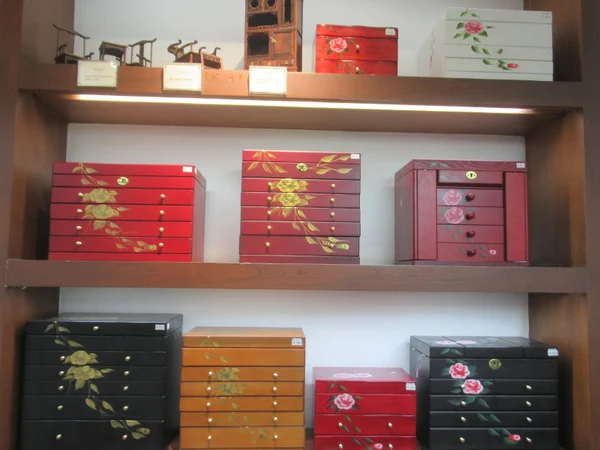
Choose a small, clean, fully finished piece with no bark or pest signs, keep the material description and receipt, and pack it where it can be declared and inspected. Do not conceal it or describe it generically if customs asks what it is made from. If the species or treatment cannot be established, choose a non-wood alternative. For wider craft context, compare the Chinese handicraft guide.
Final decision rule: buy only when you understand the object's modern function, material, condition, cultural meaning, recipient and border status. The documentary photographs on this page show wood finishing, Guangxi cultural context and box construction; they do not depict or endorse a specific Liuzhou seller and do not prove the species of any souvenir. Availability, price and workshop claims must be checked at the point of sale.
Editorial accountability
Hu Lei, CEO. The named owner is responsible for travel-planning accuracy and escalation of time-sensitive checks.
Yuntian Travel (Yunnan) Group is identified in its corporate profile as a licensed professional inbound travel service provider based in Kunming, China. Registration and travel-service documents can be requested before booking.
Page-specific references where cited, official destination, transport and entry notices, YUNSKY route-planning records, and direct provider confirmation before a booking is finalized.
Content is reviewed when rules, transport, access, pricing or route conditions change. Final availability and operating details are reconfirmed for each traveler’s dates.
Quality review: Page updated:
