Your China & Yunnan Travel Experts


Liuzhou Niu Laba (Beef Jerky): Label and Buying Guide Niu laba is a documented specialty associated with Liucheng in the Liuzhou area. English descriptions often simplify it to “beef jerky,” but recipes, moisture, cut, sweetness and chili level vary by producer. Use the Liuzhou travel guide to place a food-shopping stop within the trip rather than treating an undated brand list as a reason to cross the city.
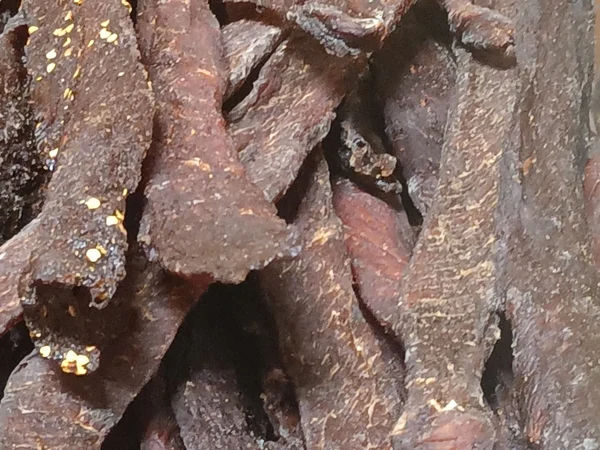
Evidence note: Liuzhou government food-promotion material includes niu laba among local specialty snacks, and local planning documents reference Liucheng niu laba. That supports the regional identity, not a single compulsory recipe or a claim that every packet in Liuzhou was made in Liucheng. The former page's Tang-dynasty anecdote, named “best” brands, medical-style nutrition claims and home recipe were not supported by reliable product or historical evidence, so they have been removed. Reviewed August 29, 2026.
Choose the Product Type Sealed retail pack Best for travelers who need a readable ingredient list, producer details, production information, shelf-life, storage instructions and a traceable receipt. Packaging does not prove quality, but it makes comparison and a border declaration more practical. Check whether several small inner packs would be safer and fresher than one large bag after opening, and calculate the price by net weight rather than box size. Fresh or loose counter product Useful for tasting texture and seasoning, but ask when it was prepared, how it is stored and how quickly it should be eaten. If the seller cannot explain storage or protect the food from repeated handling, dust and heat, choose a sealed alternative. Gift box Buy for presentation only after comparing net weight and the individual packets inside. A large outer box can contain little product, and decorative wording such as “traditional” or “natural” is not a substitute for the mandatory label. What to Check on the Label Product identity and producer
Ingredients and allergens
Beef may be accompanied by sugar, salt, soy ingredients, sesame, chili, pepper, oil or other seasonings. Read the actual pack because “original,” “five spice” and “spicy” are not standardized recipes. Travelers with soy, sesame or other allergies should request the unopened label and use the Chinese cuisine guide to prepare a written allergy card; staff reassurance cannot replace the ingredient declaration.
Date, seal and storage
How to Compare Flavor and Texture
Cut and moisture
Thin slices can feel crisp while thicker pieces stay chewy; neither is automatically better. Check that pieces look reasonably consistent and that the texture matches the product description. An extremely dry surface can hide age, while unexpected wetness can shorten practical carrying time.
Sweetness, heat and salt
Taste a small sample where hygienically offered, then wait before buying several packs. Chili heat can build, and sugar or salt may be stronger than the first bite suggests. Anyone managing sodium, sugar or another dietary concern should read the nutrition panel where provided and seek appropriate medical advice rather than relying on vague “low fat,” “natural” or “healthy” sales language.
Buying and carrying checklist
Ask for the price per pack and per unit weight, compare two equivalent products, confirm whether a sampled flavor matches the sealed pack, and keep the receipt. Buy a small quantity first if you have not tasted the style. Pack sealed bags inside a secondary leak-resistant pouch and keep them accessible for inspection. For another distinctive local craft category, see the Liuzhou coffin-souvenir guide; food and wooden souvenirs face different destination rules.
Border and biosecurity rule
Meat products are restricted or prohibited in many destinations, under rules that vary by country, origin and current animal-health controls. Factory sealing, vacuum packing, duty-free sale or a personal-use quantity does not guarantee admission. Check the official customs or biosecurity authority for every destination and transit point before purchase, including rules for mailed parcels and checked luggage. Keep the original commercial pack, declare the product when required, and accept inspection. Do not remove labels, transfer meat into an unmarked bag or ask a courier to hide the contents. When the rule is unclear, enjoy niu laba in Liuzhou rather than risk confiscation or a penalty. Responsible final choice: choose a product whose maker, ingredients, allergens, dates, storage, net weight and destination legality you understand. This evidence-led approach is more useful than copying an old legend or ranking brands that may have changed. Prices, availability and recipes are commercial details, so confirm them at the exact shop on the day.
Editorial accountability
Hu Lei, CEO. The named owner is responsible for travel-planning accuracy and escalation of time-sensitive checks.
Yuntian Travel (Yunnan) Group is identified in its corporate profile as a licensed professional inbound travel service provider based in Kunming, China. Registration and travel-service documents can be requested before booking.
Page-specific references where cited, official destination, transport and entry notices, YUNSKY route-planning records, and direct provider confirmation before a booking is finalized.
Content is reviewed when rules, transport, access, pricing or route conditions change. Final availability and operating details are reconfirmed for each traveler’s dates.
Quality review: Page updated:
