Your China & Yunnan Travel Experts


Reviewed: August 27, 2026. The best places for an educational trip to China are not simply the most photographed cities. A useful destination gives students accessible evidence, a clear academic question, time to observe it and a safe way to discuss what they found. The five bases below work for different subjects; current entry rules, opening hours, weather and school safeguards still need direct confirmation.
Choose two or three complementary bases rather than trying to “cover China.” Begin with the educational trip planning guide, then score each city for curriculum fit, usable field time, transport, accessibility, supervision and budget. Give every stop a before/during/after task so a landmark becomes evidence rather than background for a group photo.

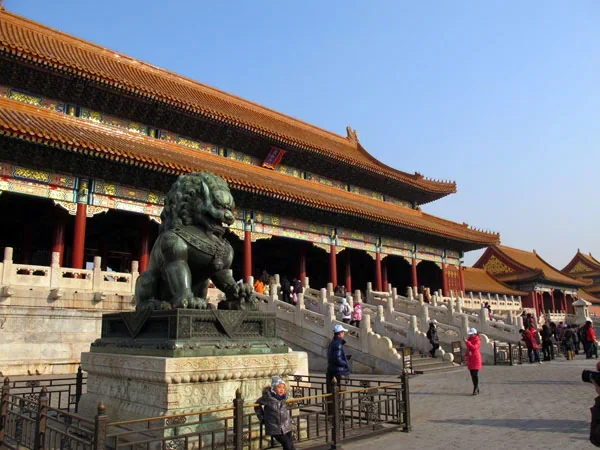
Beijing can support history, architecture, civics and urban geography. At the Forbidden City, students can trace the central axis, compare outer- and inner-court space and ask how architecture communicated hierarchy and ritual. UNESCO describes the imperial palace as evidence of state power and court culture over five centuries; it should not be presented as a timeless or complete account of Chinese society.
Modern sites such as the Olympic area or National Centre for the Performing Arts add a design comparison. Ask students to sketch circulation, materials and public use, then compare those choices with a historic complex. Verify exterior or interior access and group-booking rules; seeing an iconic building from a coach window is not equivalent to studying its design.
The Great Wall is a multi-period defense system of walls, passes, fortresses and watchtowers extending more than 20,000 km, not one structure built in a single reign. Select a managed section that suits the group's mobility and weather. Observe how terrain, sightlines, masonry and visitor infrastructure differ, and stay off closed or unrestored areas.
A hutong walk can examine lane width, courtyard form, neighborhood services and preservation pressure. Use a qualified local host, obtain consent before entering or photographing a home, and avoid treating one resident's story as representative. A cooking or craft workshop should name the practitioner and regional context, explain what is adapted for visitors and leave time for student questions.
Evening shows and optional activities need the same scrutiny as daytime lessons: age suitability, transport, finish time, venue status and educational relevance. Helicopter sightseeing is not a core learning activity and adds cost, weather dependence and operational risk; use maps, elevated viewpoints or a planning exercise when they serve the objective more clearly.
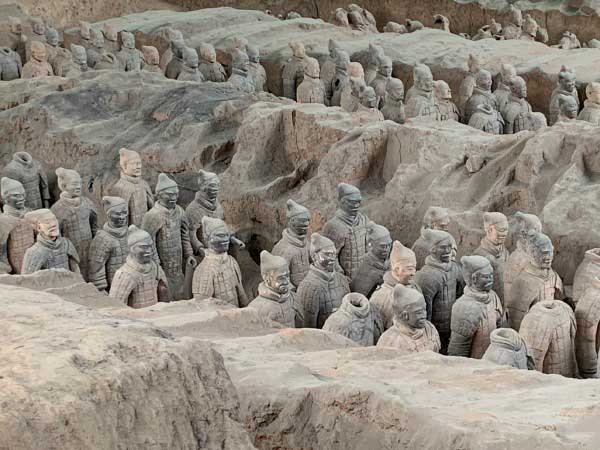
Xi'an works well for archaeology, imperial history, trade routes and conservation. The Mausoleum of the First Qin Emperor is a large archaeological landscape with numerous pits and thousands of figures, not only a hall of identical warriors. Students can distinguish an excavated object, a reconstruction and an interpretation, then ask what placement, materials and variation reveal—and what they cannot prove.
The City Wall, pagodas and a carefully chosen museum add chronological context. At Mount Hua or any steep outdoor site, scenery does not override route controls, footwear, weather, heights exposure and the group's mobility. Treat a mountain extension as a separate risk-assessed field day, not a compulsory Xi'an add-on.
A replica-figure or dumpling workshop can reveal production sequence, division of labor and regional food culture when the instructor explains the difference between a visitor activity and historic practice. Ask students to photograph their own process rather than other participants, label any replica accurately and reflect on how museums and tourism shape public understanding of archaeology.
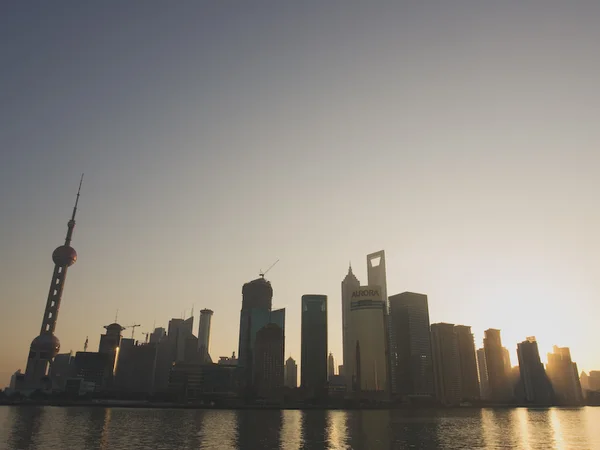
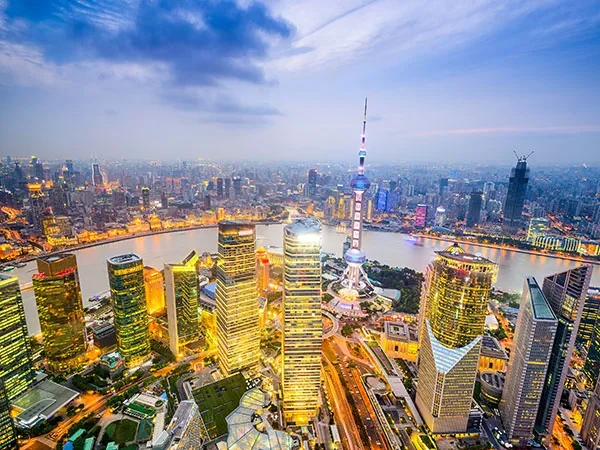
Shanghai supports urban studies through a compact contrast between the Bund, Huangpu River and Lujiazui. Rather than calling it only a “modern city,” map the river's two banks, building age, street orientation, ferry or metro connections and public-space use. Students can ask why commercial, residential and heritage functions cluster where they do.
Use the Oriental Pearl Tower or another authorized viewpoint as one layer of evidence. A skyline view shows height and form but not affordability, neighborhood life or environmental performance; pair it with street-level observation and a transit journey. Confirm timed entry and visibility before paying for a tower solely for the view.
Museums and historic districts can deepen the comparison, but collection displays and neighborhood access change. Give students one object or building to research from its label, provenance and material, then verify it against a reliable catalog. Avoid using Tianzifang, Xintiandi or one shopping street as shorthand for the whole city.
A Huangpu cruise or ferry can reveal the relationship between waterfronts, bridges, shipping and tourism. Schedules, boarding points and lighting change, so confirm current operations. Keep students seated or behind barriers as directed, plan for wind and rain, and use a daytime map exercise if a night cruise would compromise rest or supervision.
Close the Shanghai study with a two-scale comparison: one skyline or river panorama and one block-level observation. Students should state what each scale reveals, what it hides and which conclusion needs demographic, economic or environmental data before it is credible. This prevents a dramatic photograph from becoming the whole urban argument.

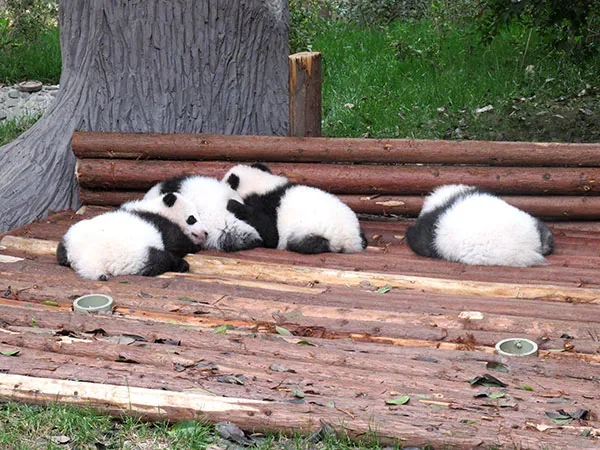
Chengdu can combine wildlife conservation, urban life and regional foodways. A panda base visit is most educational when the group studies habitat, diet, behavior, breeding challenges and public communication. It is an observation visit, not a promise of cubs, feeding, touching or access to staff-only areas.
Arrive with a behavior log: record time, location, weather, activity and uncertainty without claiming to know an animal's emotion. Follow quiet zones, barriers and photography rules, and check the institution's current exhibits and opening arrangements. Compare what an enclosure communicates with what students still need to learn about wild habitat and population conservation.
Food study can compare ingredients, preservation, spice, communal dining and menu translation. Offer non-spicy and allergen-aware alternatives, and do not equate every Chengdu meal with extreme heat. A market or restaurant observation should respect workers and diners; tasting is optional, while careful description and source checking are the learning task.
Mount Qingcheng, Mount Emei or farther nature reserves require their own transfer, weather, trail and access assessment. Jiuzhaigou is not a casual Chengdu side trip: it needs dedicated time and current transport and scenic-area checks. Protect the core curriculum by treating distant extensions as optional modules.
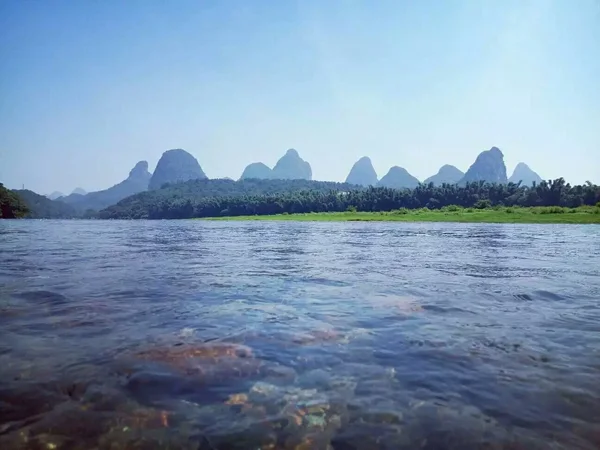
Guilin and Yangshuo suit geography, environmental science and rural-tourism study. The limestone towers, rivers, caves and alluvial farmland are connected systems; students should distinguish a landform observation from a claim about how it formed. Use a field sketch, scale reference and annotated map, then verify the explanation after the visit.
The Li River, Yulong River, rice terraces and caves support different questions about water, agriculture, geology and visitor management. Conditions vary by season and rainfall. Stay on authorized paths and platforms, respect farm access, and never enter a cave, river or terrace route merely because an online photograph shows other visitors there.
Cycling can be a useful slow-observation method only when every rider can control the bicycle and the route has been checked for traffic, surface, weather, distance and helmet provision. Use smaller supervised groups, avoid racing and stop fully before taking notes or photographs. A walk or vehicle-supported survey should offer the same learning task for students who cannot cycle.
Community and minority-culture visits require consent and context. Ask who designed the activity, who is paid and whether the presentation is daily practice, a festival or a visitor adaptation. Rock climbing, horse riding and other adventure options need qualified providers, age-appropriate equipment, insurance and a separate risk decision; they are never automatic components of an academic tour.
Other cities—including Luoyang, Datong, Pingyao, Dunhuang or selected Silk Road stops—may fit a focused research question better than one of the five hubs. Decide by evidence and logistics, not a universal ranking. The student tour experiences guide helps match activities to a city without duplicating the same workshop everywhere.
Turn destinations into a coherent course
Balance familiarity with challenge
A recognizable site can motivate students, while a neighborhood, museum object or field transect adds depth. The why choose China for educational travel guide can help educators explain the academic rationale to families without promising that one itinerary represents a country of China's scale and diversity.
From $ 2356
From $ 1207
From $ 22782050
Editorial accountability
Hu Lei, CEO. The named owner is responsible for travel-planning accuracy and escalation of time-sensitive checks.
Yuntian Travel (Yunnan) Group is identified in its corporate profile as a licensed professional inbound travel service provider based in Kunming, China. Registration and travel-service documents can be requested before booking.
Page-specific references where cited, official destination, transport and entry notices, YUNSKY route-planning records, and direct provider confirmation before a booking is finalized.
Content is reviewed when rules, transport, access, pricing or route conditions change. Final availability and operating details are reconfirmed for each traveler’s dates.
Quality review: Page updated: