Your China & Yunnan Travel Experts


Reviewed: August 27, 2026. China can support excellent educational travel when its places, people and sources answer a defined curriculum question. Suitability differs by class, and one itinerary cannot represent a country of this scale. Use the framework below to test academic fit, duty of care, access, cost and evidence before choosing it.
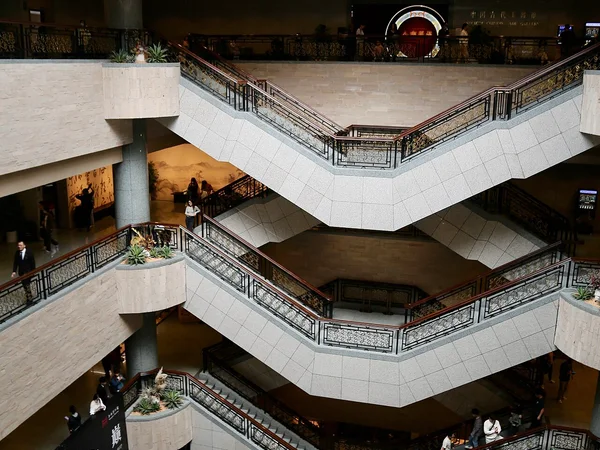
Educational travel is structured learning outside the usual classroom. Students prepare a question, encounter evidence in a new setting, document what they observe, compare reliable sources and reflect afterward. Sightseeing becomes education only when those stages are designed and assessed; a tour does not automatically carry academic credit.
Write four or five measurable outcomes before naming cities. Useful outcomes might include distinguishing observation from interpretation, comparing two urban forms, explaining an object with provenance, or revising a claim after field evidence. Match the route, staff and accessibility plan to those outcomes.
1. Observe before concluding. Students can sketch a building axis, map pedestrian movement or record material and landform evidence, but they should label what was directly seen and what came from a guide, sign or later source.
2. Engage people with consent. A practitioner, host or resident offers one situated perspective, not a sample of “how Chinese people live.” Agree on questions and photography in advance, credit expertise and avoid extracting personal stories for a school project.
3. Practice source literacy. Museum labels, oral accounts, government notices, scholarship and commercial tour copy serve different purposes. Students should record title, institution, date and uncertainty, then reconcile conflicts instead of copying the first explanation they hear.
4. Build collaboration through roles rather than forced togetherness. Assign mapping, object analysis, language support, accessibility observation and source checking so different strengths contribute. Private reflection and an opt-out route remain important for wellbeing.
5. Protect health and dignity. International student travel needs pre-travel health planning, insurance, emergency communication and support for medical, mental-health, dietary, sensory and mobility needs. Fun and independence never override safeguarding or a student's right to report a concern.
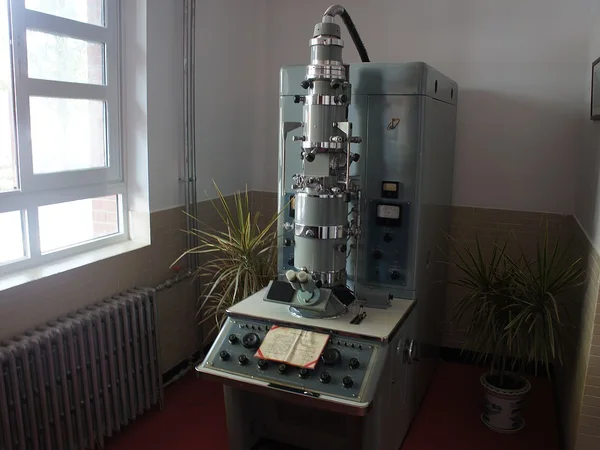
China offers dense but varied evidence for history, archaeology, living heritage, geography, environment, language, design and urban studies. The academic case is strongest when a small number of places are compared carefully, not when a long route claims to “cover China.”

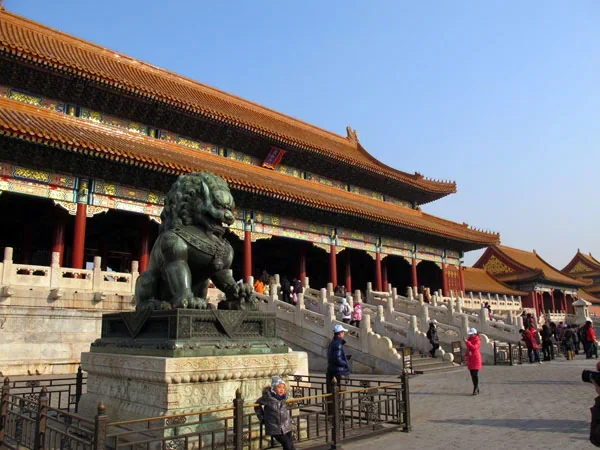
1. Layered history can be tested through places and objects Imperial palaces, the Great Wall, the Mausoleum of the First Qin Emperor, cave-temple sites, gardens, canals and historic settlements pose different questions about power, belief, technology, trade and conservation. Start with the Chinese history study guide, then verify each site's interpretation, admission and group rules through current primary sources.
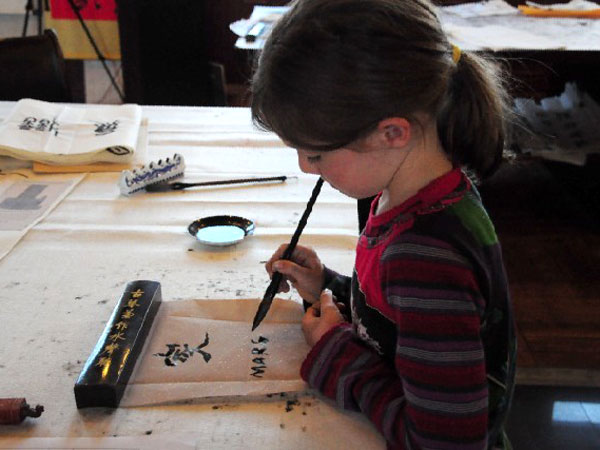
2. Living heritage connects technique, community and change Calligraphy, shadow puppetry, opera, craft and foodways are living practices rather than costumes frozen in the past. A responsible session names the practitioner and region, distinguishes demonstration from daily use, pays or credits expertise and lets students examine how transmission and adaptation work.
3. Contrasting landscapes support field inquiry Karst around Guilin, loess and river landscapes near Xi'an, mountain environments and major urban waterways can support geography and environmental questions. Sites are not interchangeable scenery: routes, weather, conservation rules, altitude and accessibility determine what evidence a group can safely collect.
4. Modern systems invite comparison with historical evidence Rail networks, metropolitan planning, digital services, museums and contemporary design can be examined beside older infrastructure and neighborhoods. Avoid presenting one showcase district as “modern China” or treating technology as proof of a single national experience; compare users, access, trade-offs and sources.
Apply a fit test: Does China provide evidence unavailable closer to home? Can students prepare enough context to interpret it? Are the route, language support, access and safeguarding realistic? Is there time for reflection? If any answer is weak, redesign the question or choose a different destination.
Connect travel with study before and after departure The education in China guide can frame how schooling and higher education are organized, but a short visit should not generalize from one classroom or institution. Arrange exchanges only with consent, reciprocal benefit and a clear learning purpose. For older students considering academic pathways:
Choose China because the evidence fits the course—not because a brochure promises transformation. A complete proposal identifies the learning question, source plan, responsible partners, student needs, current-rule checks, assessment and fallback. That is a credible educational trip families and schools can evaluate.
From $ 2356
From $ 1207

From $ 22782050
Editorial accountability
Hu Lei, CEO. The named owner is responsible for travel-planning accuracy and escalation of time-sensitive checks.
Yuntian Travel (Yunnan) Group is identified in its corporate profile as a licensed professional inbound travel service provider based in Kunming, China. Registration and travel-service documents can be requested before booking.
Page-specific references where cited, official destination, transport and entry notices, YUNSKY route-planning records, and direct provider confirmation before a booking is finalized.
Content is reviewed when rules, transport, access, pricing or route conditions change. Final availability and operating details are reconfirmed for each traveler’s dates.
Quality review: Page updated: