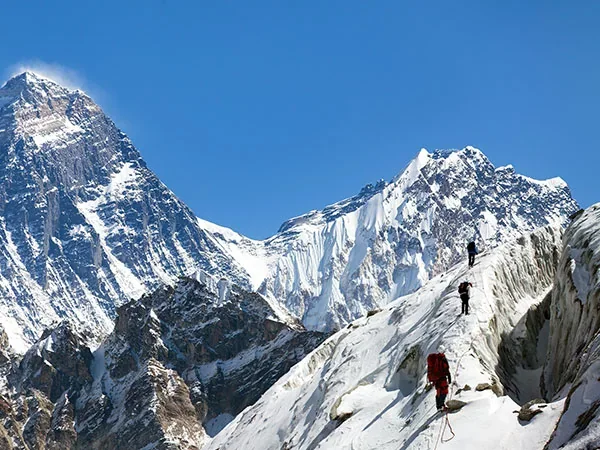
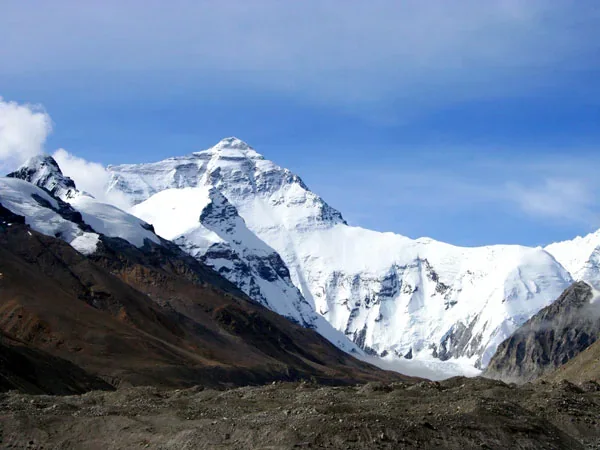
Mount Everest climbing records are best understood as milestones, not a single leaderboard. Categories differ by route, season, oxygen use, gender, age, disability and whether the climber descended safely. Begin with the wider
Mount Everest history and travel hub.
Some achievements are firmly documented; others remain disputed or were reported under different standards. Modern totals also change every season, so this page emphasizes historically significant ascents and explains when a current record database is necessary.
A summit is only part of a successful climb. Safe return, team support, route conditions and the contributions of high-altitude workers belong in any responsible account.
First Expeditions on Mount Everest
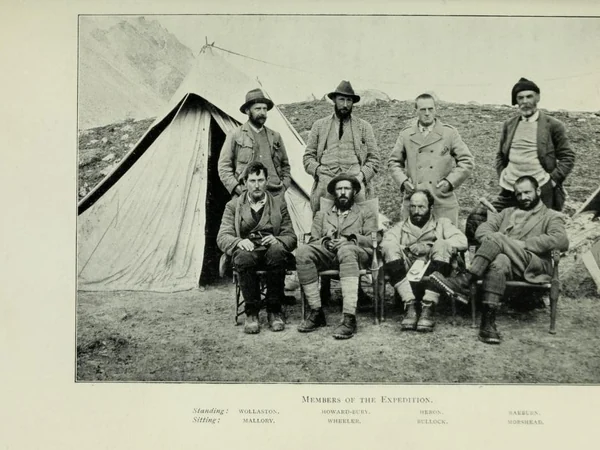
The 1921 British reconnaissance expedition entered from Tibet and explored the mountain's northern approaches. George Mallory and his colleagues identified access toward the North Col, creating the geographic basis for later attempts. See the related Everest expedition history.
In 1922, climbers on the second British expedition reached above 8,000 metres and used supplemental oxygen, but the expedition also suffered a fatal avalanche. It demonstrated both the possibility and the cost of high-altitude siege tactics.
George Mallory and Andrew Irvine disappeared high on the Northeast Ridge in 1924. Evidence confirms their attempt but not whether either reached the summit before dying, so it should not be presented as a verified first ascent.
Selected Successful Mount Everest Climbing Milestones
1953: first confirmed summit ascent
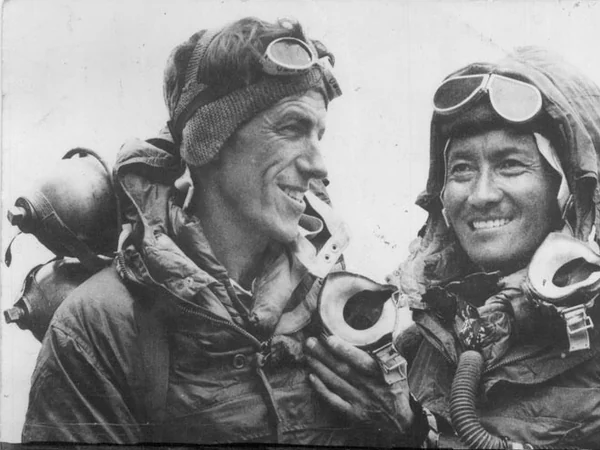
Edmund Hillary and Tenzing Norgay reached the summit on 29 May via the Southeast Ridge as members of John Hunt's British expedition. Their ascent and descent established the first confirmed success; read their place in the
first-summiters guide.
1956: further South Col success and the first ascent of neighboring Lhotse helped demonstrate how expedition knowledge was developing across the high Himalaya.
1960: first reported ascent by the North Ridge
Wang Fuzhou, Qu Yinhua and Gonpo reached the summit from Tibet on 25 May. The ascent was initially doubted by some outside observers but is recognized as the first summit via the North Ridge.
1963: an American expedition put Jim Whittaker on the summit, while Tom Hornbein and Willi Unsoeld made the first ascent of the West Ridge and completed a traverse of the mountain.
1975: first woman on the summit
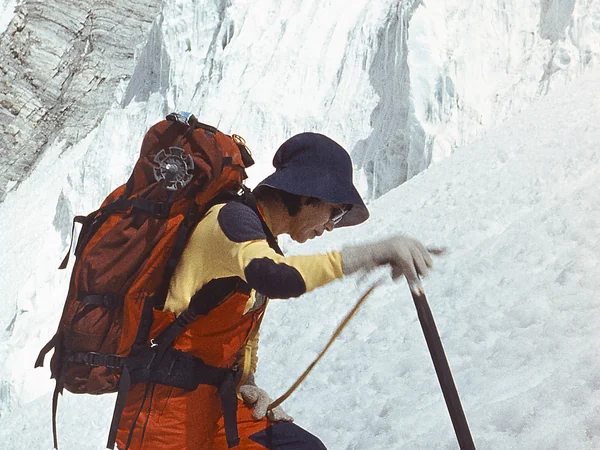
Junko Tabei of Japan reached the summit from Nepal on 16 May. That year, Phanthog became the first woman to summit from the north side during a Chinese expedition.
1978: first ascent without supplemental oxygen
Reinhold Messner and Peter Habeler reached the summit without bottled oxygen, a milestone that changed assumptions about human performance at extreme altitude.
1980: first winter ascent
Leszek Cichy and Krzysztof Wielicki reached the summit on 17 February as part of a Polish expedition. Winter categories depend on accepted seasonal definitions, so dates should accompany the claim.
1988: a China–Japan–Nepal expedition completed a cross-border traverse, with teams ascending from opposite sides and descending the other route.
1998: Tom Whittaker became the first person with a physical disability recorded to summit Everest; terminology should focus on the achievement without reducing a climber to a medical condition.
2001: Erik Weihenmayer became the first blind climber to reach the summit, supported by a team and established expedition systems.
2005: a Chinese survey expedition reached the summit as part of a new measurement campaign, linking mountaineering logistics with geodetic science.
2012: Tamae Watanabe reached the summit at age 73, extending the age record she had set a decade earlier for a woman on Everest.
Later seasons produced new age and repeated-ascent records. Those changing totals require a verification date rather than an undated superlative.
Why record totals need a date
Fastest-ascent, youngest, oldest and most-summits categories can change, and organizations may apply different rules for start point, oxygen use or evidence.
Repeated-ascent records are especially time-sensitive.
Before publishing a “current record,” state the category and verification date, then check an authoritative record body or expedition database. Historical milestones can remain evergreen; a season-by-season leaderboard cannot.