Your China & Yunnan Travel Experts


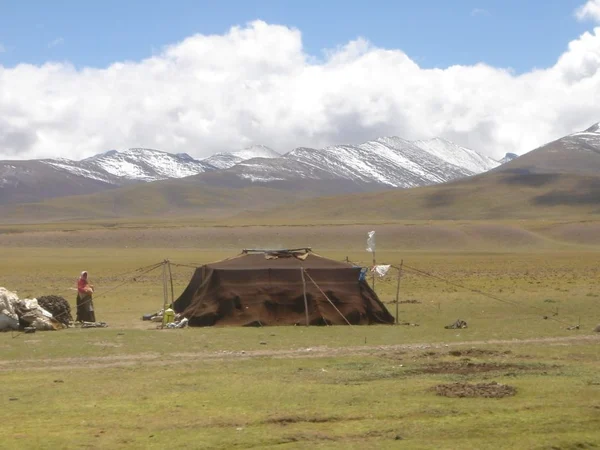
Pastoral households use different shelters by season, grazing pattern and present-day transport. The black tent is traditionally woven from yak hair and tensioned over poles and ropes; modern canvas and manufactured fabrics may be combined for weight, cost or waterproofing.
A yak-hair cover is breathable and can shed water as fibers swell, but performance depends on weave, pitch, maintenance and wind anchoring. It should not be described as automatically leakproof in every storm.
Lighter summer shelters can be moved more easily. Camps are working homes tied to pasture and livestock, not open visitor attractions. Enter only when invited and keep vehicles away from grazing land and guy ropes.
Interior arrangement organizes sleeping, storage, food preparation, heating and devotional space around limited light and heat. Stove smoke and carbon monoxide are real hazards; never block a roof opening or use an unapproved heater. A homestay should explain fire exits, toilet arrangements and nighttime footing.
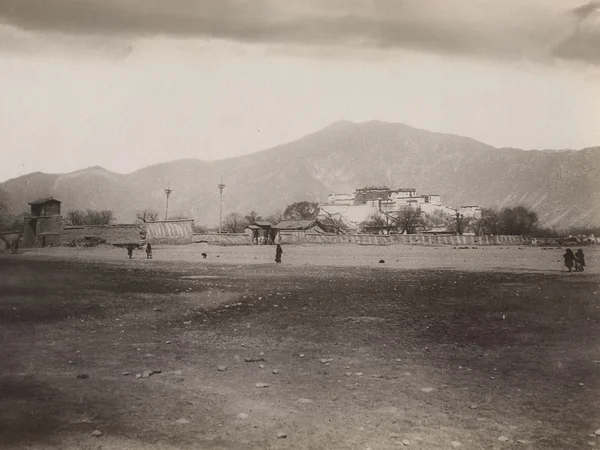
Lhasa, Shigatse and Shannan contain varied masonry, rammed-earth, adobe and timber buildings, often organized around a courtyard. Lower levels may serve storage or animals, while upper rooms gain light and separate living space. That pattern varies with slope, wealth and rebuilding history.
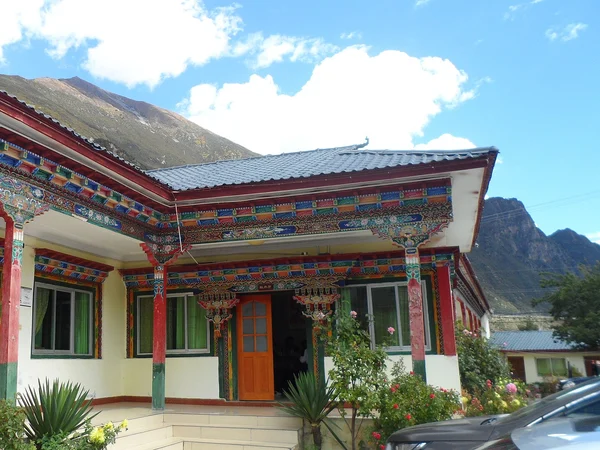
Nyingchi and other wetter eastern valleys often use more timber, projecting eaves, balconies or pitched roofs. Earthquake risk, fire, decay and forest-resource rules affect present construction. A visually “traditional” façade may conceal reinforced or modern systems, which should be described honestly.
Respect residents' choices. Apartment living or a rebuilt house is not evidence of cultural loss, and traditional craft should not be preserved by expecting families to accept unsafe or inconvenient conditions.
Earthquakes expose weak connections between walls, floors and roofs. Repair or strengthening must be designed by qualified local engineers and heritage professionals; adding heavy concrete or removing timber ties without analysis can increase risk. Review regional context in Tibet geography, climate differences in Tibet climate and road access in the Sichuan–Tibet Highway guide.
Editorial accountability
Hu Lei, CEO. The named owner is responsible for travel-planning accuracy and escalation of time-sensitive checks.
Yuntian Travel (Yunnan) Group is identified in its corporate profile as a licensed professional inbound travel service provider based in Kunming, China. Registration and travel-service documents can be requested before booking.
Page-specific references where cited, official destination, transport and entry notices, YUNSKY route-planning records, and direct provider confirmation before a booking is finalized.
Content is reviewed when rules, transport, access, pricing or route conditions change. Final availability and operating details are reconfirmed for each traveler’s dates.
Quality review: Page updated: