Your China & Yunnan Travel Experts


China has no single nationwide “best month.” Climate, altitude, school holidays and seasonal scenery vary greatly, so choose a region first and a month second. This guide compares practical trade-offs for a first trip; use the China climate overview for regional patterns and check city-level forecasts shortly before departure.
January suits winter scenery and lower-season city travel, but northern and high-altitude regions can be severely cold. Harbin and China's northeast offer snow and ice, while Yunnan and parts of the far south are milder. The Lunar New Year date changes each year and may affect transport and closures.
Good choices for January Harbin for winter landscapes; Yunnan for a milder multi-city route; Hainan for a warm coastal break.

February may include the Lunar New Year travel period, bringing family reunions, crowded transport and reduced hours at some businesses. It can also offer meaningful festival atmosphere. Confirm the exact holiday calendar, reserve transport early, and compare snowy northern destinations with warmer southern ones.

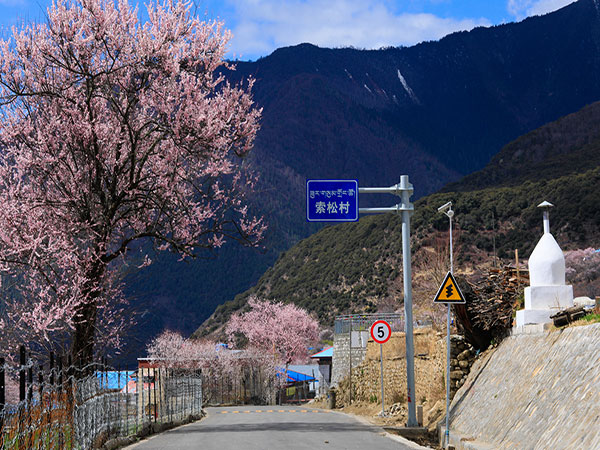
March is a transition month. Lower-elevation areas begin to warm, while Tibet, western Sichuan and northern China can remain cold. Blossom timing depends on local weather rather than a fixed date, so avoid building an itinerary around one forecast made months ahead.
Good choices for March Yunnan for varied elevations, Nyingchi for seasonal blossom landscapes when conditions align, and Jiangnan cities for early spring gardens.
April often offers comfortable sightseeing in eastern and central China before peak summer heat. Southern rain becomes more frequent, and mountain weather remains changeable. This is a useful month for gardens, karst scenery and multi-city cultural routes, with waterproof layers and flexible outdoor plans.
Good choices for April Suzhou and Hangzhou for gardens and lakes, Guilin for karst scenery, and Zhangjiajie for spring landscapes.

May works well for many regions, but the Labour Day holiday period can create heavy demand for trains, flights and major attractions. Travel outside the official holiday dates where possible. Western Sichuan and Guizhou offer strong landscape and cultural interest, though mountain roads require realistic timing.
Good choices for May Guizhou for villages and green scenery, western Sichuan for mountain landscapes, and Beijing for a classic cultural itinerary.

June brings warmer weather, longer daylight and increasing rain in many southern areas. It can be a good shoulder period before the main school-summer rush, but heat, humidity and flooding risk vary by region. Keep outdoor days flexible and monitor local weather notices.
July is hot and humid in many eastern and southern cities and busy during school holidays. Higher-altitude or northern destinations may be more comfortable, but sun exposure and afternoon storms still matter. Reserve popular family attractions and use early mornings for demanding outdoor visits.

August remains a major domestic travel month. Coastal areas can be affected by tropical weather, while inland heat varies sharply by elevation. Qinghai, Inner Mongolia and selected Yunnan routes can offer cooler conditions, but transport and accommodation should be booked with sufficient lead time.

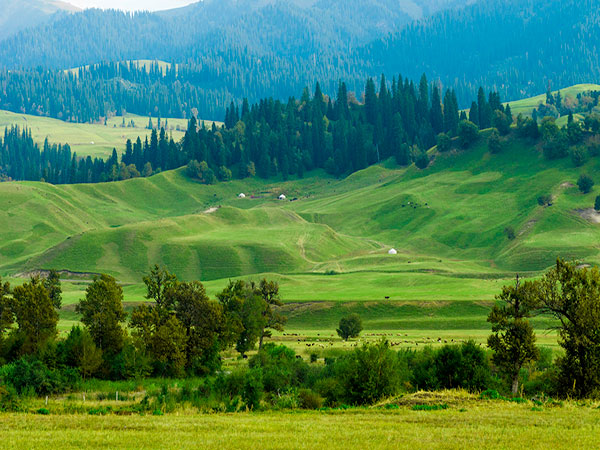
September often combines pleasant temperatures with strong landscape options, although southern cities may stay warm. The Mid-Autumn Festival date moves each year, and late-month demand can rise ahead of National Day. Kanas, Jiuzhaigou and northern autumn routes depend on seasonal timing.
Good choices for September Kanas for early autumn color, Jiuzhaigou for mountain lakes, and Beijing or Xian for a cultural route after peak summer heat.

Early October includes the National Day holiday period, when popular routes can be exceptionally busy. Later October is often more manageable and can bring autumn color in northern and highland regions. Pack layers because daytime and evening temperatures may differ substantially.
Good choices for October: Yunnan for mixed elevations, Chongqing for urban culture and food, and Daocheng Yading only with adequate altitude planning.

November is a useful lower-season month for many cities. Northern China becomes cold, while parts of southern and southwestern China remain comfortable. Shorter daylight favors well-paced city routes rather than overfilled schedules.
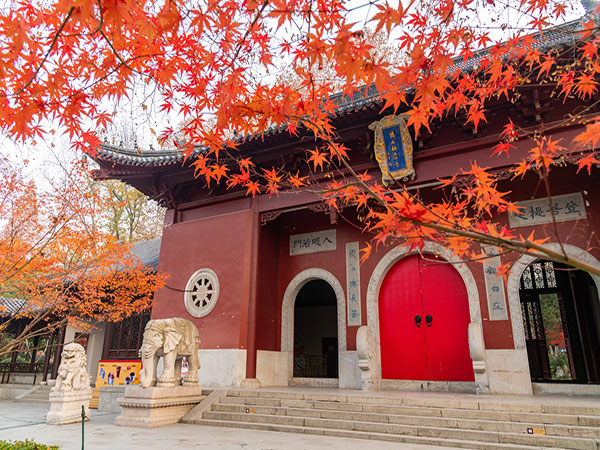
Good choices for November Tengchong for late-autumn scenery, Nanjing for history and seasonal color, and Fujian or Guangdong for milder conditions.
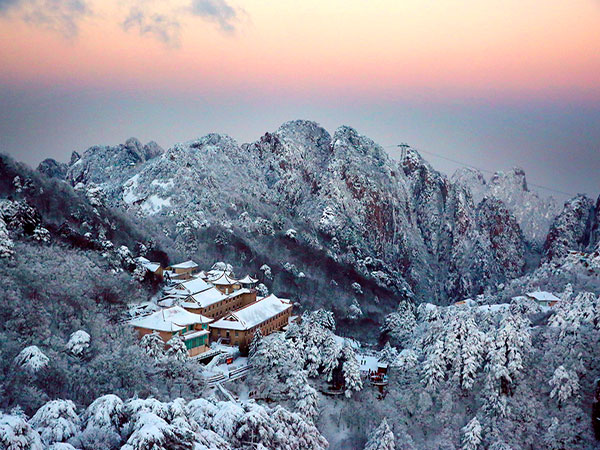
December favors winter festivals, snowy northern scenery and quieter cultural cities outside holiday peaks. Harbin, Changbai Mountain and selected Great Wall sections require serious cold-weather clothing; Huangshan can be beautiful but icy. Browse China destinations by region, then compare route ideas in the where-to-go guide.
Good choices for December Harbin and the northeast for snow, Huangshan for winter mountain scenery, and Yunnan or Hainan for a milder alternative.
From $ 1599

From $ 22782050

From $ 2686
Editorial accountability
Hu Lei, CEO. The named owner is responsible for travel-planning accuracy and escalation of time-sensitive checks.
Yuntian Travel (Yunnan) Group is identified in its corporate profile as a licensed professional inbound travel service provider based in Kunming, China. Registration and travel-service documents can be requested before booking.
Page-specific references where cited, official destination, transport and entry notices, YUNSKY route-planning records, and direct provider confirmation before a booking is finalized.
Content is reviewed when rules, transport, access, pricing or route conditions change. Final availability and operating details are reconfirmed for each traveler’s dates.
Quality review: Page updated: