China's headline sights span imperial capitals, frontier landscapes, Buddhist heritage, modern waterfronts and minority regions. A strong first itinerary selects a coherent geographic sequence rather than trying to collect every icon. The choices below explain what each attraction contributes, who it suits and the planning constraint most likely to affect the visit; use
China Tours to compare workable sequences.
North China: The Great Wall and Central Beijing
1. The Great Wall, Beijing
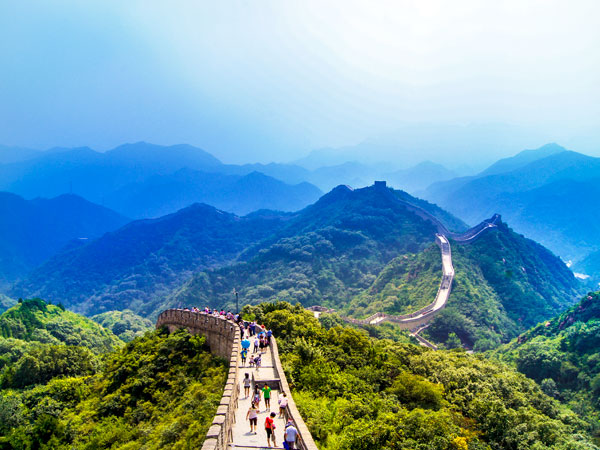
The Great Wall is a network of fortifications built and rebuilt across different periods, not one continuous sightseeing path. Beijing's restored sections provide the most accessible introduction, while terrain and facilities differ substantially.
Why it belongs on the route
Mutianyu often suits visitors wanting restored ramparts with transport assistance; Badaling has extensive infrastructure and heavy demand. A quieter section may require more road time or stronger hiking ability.
Choose by mobility, crowd tolerance and transfer time. Weather exposure, steep steps and seasonal operating notices matter more than a promise of one “best” section.
2. Tian'anmen Square and the Forbidden City, Beijing
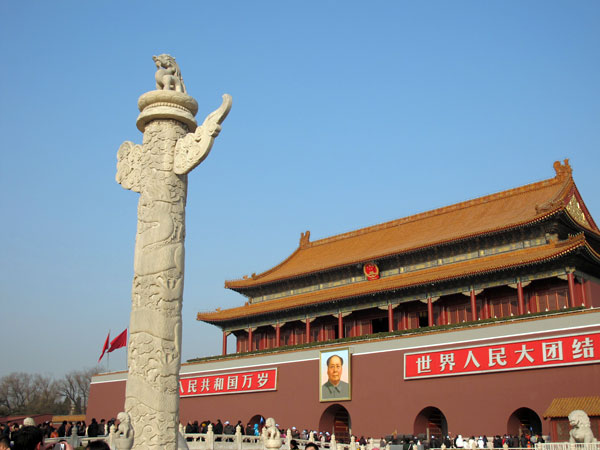
The square anchors Beijing's monumental civic axis, while the Forbidden City explains imperial court space, ritual and architecture on a far deeper level. Treat them as connected but operationally separate visits.
Why it belongs on the route
Timed reservations, identity checks and security procedures can affect the day. The National Museum, Tian'anmen area and palace complex should not all be compressed without confirmed slots.
Carry the original passport used for reservations and verify current access rules. Explore more context through the
China attractions hub.
Northwest China: The Terracotta Army
1. Terracotta Warriors, Xi'an
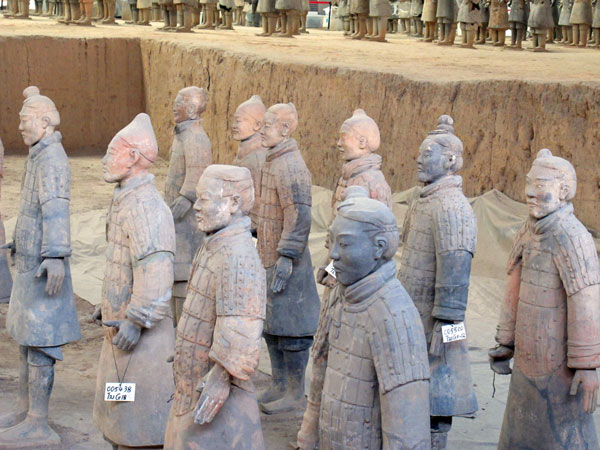
The museum near Xi'an presents the burial army associated with Qin Shihuang, alongside archaeology that helps explain early imperial unification and funerary practice. The scale becomes clearer across multiple pits rather than one famous viewpoint.
Why it belongs on the route
Allow time for Pit 1, smaller pits and the interpretation galleries. A guide or careful museum labels can distinguish restored figures, excavation context and modern reconstructions.
The site is outside central Xi'an; combine it with city-wall or Muslim Quarter time only after accounting for road transfer and timed entry.
Central and Southwest China: Jiuzhaigou, Leshan and Pandas
1. Jiuzhaigou Valley, Sichuan
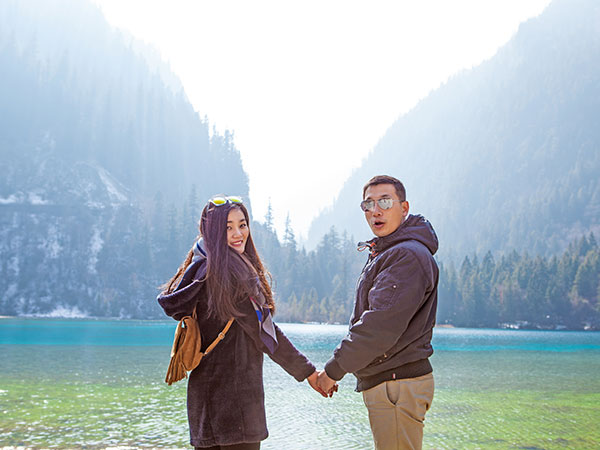
Jiuzhaigou combines alpine lakes, waterfalls, forests and Tibetan cultural context within a managed scenic area. Elevation, internal shuttle routing and weather shape the visit more than a checklist of photographic stops.
Why it belongs on the route
Colored lakes and seasonal forests reward a full scenic day, but water color, foliage and visibility vary. Stay on open paths and respect conservation controls.
Reserve through current official channels, allow for altitude and avoid pairing the park with distant Chengdu sights as if they were adjacent.
2. Leshan Giant Buddha, Sichuan
The monumental Tang-period carving faces the confluence of three rivers and forms part of the Mount Emei Scenic Area's World Heritage context. Viewing from river level and from the cliff paths reveals different relationships between sculpture and landscape.
Why it belongs on the route
A boat view reduces stair demand; the walking route offers closer architectural detail but can involve steep, narrow steps and queues.
River conditions, maintenance and capacity controls can change. Choose the viewing method for mobility and current operation, not only for a familiar photograph.
3. Chengdu Research Base of Giant Panda Breeding
This conservation and education facility is the most accessible major panda-focused visit from central Chengdu. It is large, and individual animals may be indoors, resting or temporarily off view.
Why it belongs on the route
Early, cooler periods often support more active viewing, while the museum and interpretation spaces add value when animals are resting.
Planning note
Use official ticketing, carry the registered passport and plan a route rather than chasing a named panda. Animal locations and nursery access change; no article can guarantee a specific panda or cub display.
West China: Potala Palace and Jokhang Temple
1. Potala Palace, Lhasa
The Potala Palace dominates Lhasa's historic skyline and reflects Tibetan political, religious and artistic history. Interior access is controlled and involves elevation, stairs and timed movement.
Planning priorities
A Tibet trip requires current permit arrangements and careful acclimatization. Keep the first days light, carry the required documents and do not treat a palace reservation as proof that every regional road is open.
2. Jokhang Temple, Lhasa
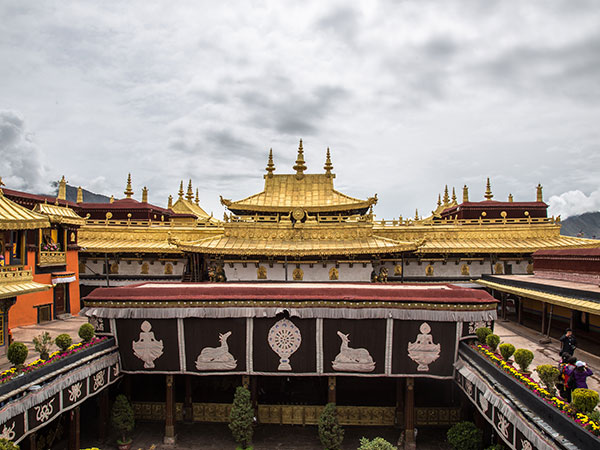
Jokhang Temple is a major center of Tibetan Buddhist pilgrimage within Lhasa's old city. Visitors should understand it as a living religious site, not simply an architectural exhibit.
Why it belongs on the route
Observe the flow of worshippers, respect clockwise circulation where directed and avoid obstructing prayer or prostration.
Planning note
Confirm current photography, opening and reservation rules locally. Altitude and crowd management remain part of the same Lhasa planning decision.
East China: West Lake and the Bund
1. West Lake, Hangzhou
West Lake is a cultural landscape shaped by causeways, temples, gardens, historic narratives and long artistic traditions. It rewards a selective half-day or full day more than a rushed circuit.
Why it belongs on the route
Choose one shore, a short boat ride and one cultural stop such as Lingyin Temple or a tea-related visit. Distances around the lake are larger than they appear on a tourist map.
Weekends and holidays can be busy; walking, public transport and bicycle access should be chosen according to weather and current local rules.
2. The Bund, Shanghai
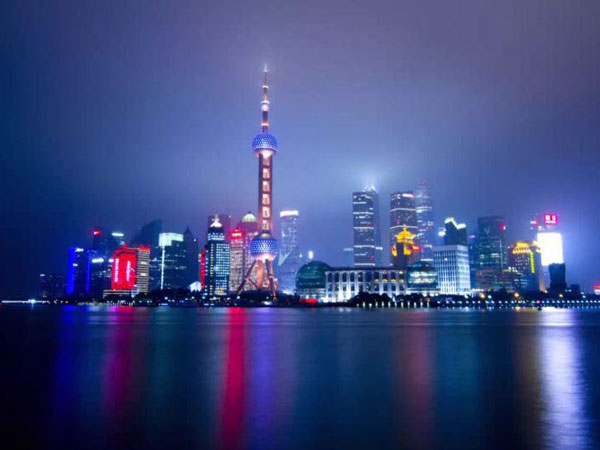
The Bund places early twentieth-century commercial architecture opposite Pudong's contemporary skyline across the Huangpu River. It is most useful as an urban-history walk rather than only a night-view stop.
Why it belongs on the route
Compare building façades in daylight, then use a ferry or riverside viewpoint for the wider city relationship.
Pedestrian demand can be intense in the evening. Keep belongings controlled and avoid an overpacked schedule tied to a precise sunset.
South China and Yunnan: Hong Kong, Guilin and Dali
1. Victoria Peak, Hong Kong
Victoria Peak offers a high-level view over Hong Kong Island, Victoria Harbour and Kowloon, but visibility depends on cloud, haze and rain. The journey is part of the experience, whether by Peak Tram, bus or taxi.
Why it belongs on the route
Paid terraces are not the only viewpoints; walking paths can provide context when weather and mobility allow.
Check current transport operation and avoid building the entire Hong Kong day around a guaranteed skyline view.
2. Li River, Guilin
The Li River corridor between Guilin and Yangshuo is known for karst peaks, villages and cultivated riverbanks. Cruise, raft and land-based options differ in duration, comfort and permitted sections.
Why it belongs on the route
A full cruise supports continuous scenery, while Xingping-area viewpoints can suit a shorter visit. Water levels and weather influence the experience.
Confirm the actual pier, vessel and return transport. Pair the river with a realistic Yangshuo stay instead of immediately returning across long road transfers.
3. Dali Old Town
Dali Old Town is a travel base for Bai cultural context, local food and access to the Cangshan–Erhai landscape. Its commercial streets are only one layer of the destination.
Why it belongs on the route
Explore early or later in the day, then add a museum, village or craft experience that explains the region beyond shopfronts.
Planning note
Choose accommodation by access and noise tolerance. Use the
China destinations hub to compare Dali with other regional bases rather than treating all “ancient towns” as interchangeable.
4. Erhai Lake
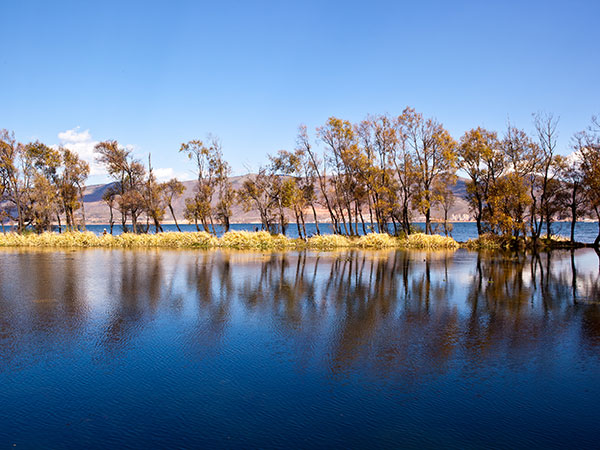
Erhai is a large highland lake whose shore includes villages, wetlands, farmland and modern tourism infrastructure. A complete loop is longer than many first-time visitors expect.
Why it belongs on the route
Select one shore segment by interests: cycling, village stops, mountain views or photography. Respect ecological barriers and local community space.
Planning note
Sun, wind and rain can change quickly at elevation. A private vehicle, local bus or limited cycling section may be safer than attempting an ambitious full circuit.