Your China & Yunnan Travel Experts

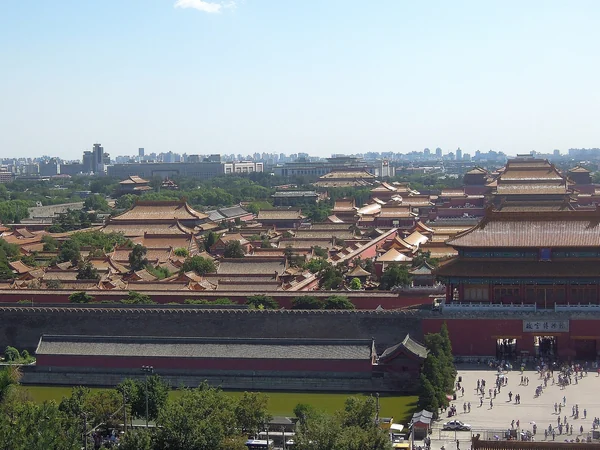
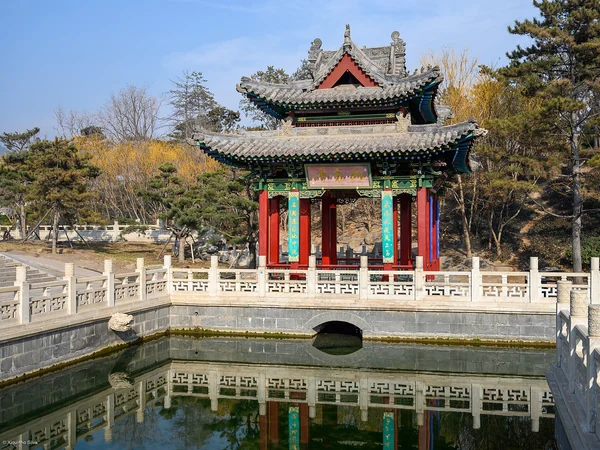
Chinese architecture is not one timeless national style. It includes imperial palaces, Buddhist and Daoist buildings, mosques, gardens, city walls, bridges, ancestral halls and vernacular homes shaped by different periods and regions. Timber framing is central to many famous monuments, while rammed earth, brick, stone, tile and metal are equally important in walls, platforms, tombs, pagodas and local construction.
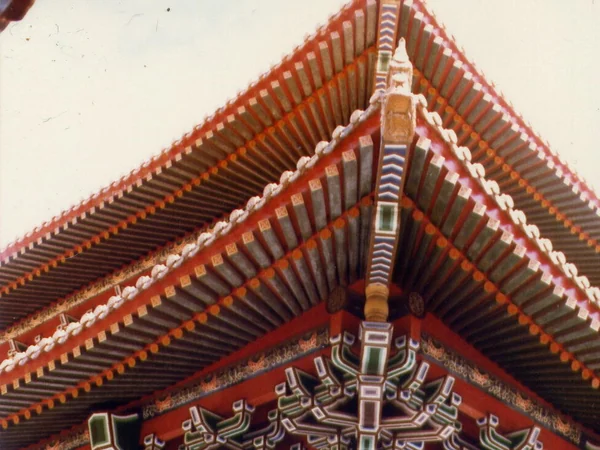
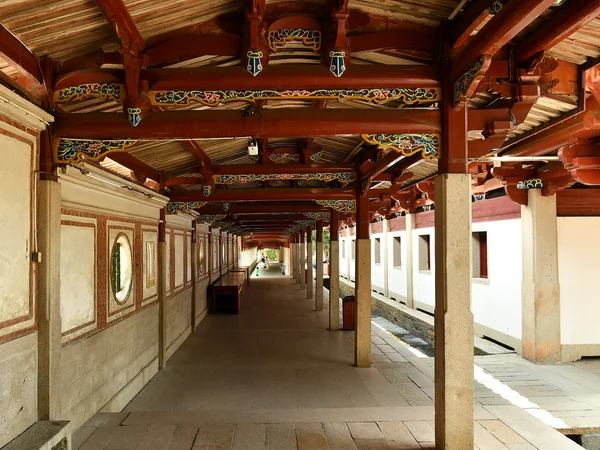
How to read a building: Begin with the site plan. Gates, courtyards and axes control movement, while a change in platform height or roof form can signal a change in function. Next, look under the eaves: columns, beams and bracket sets reveal how the roof load is carried. Then examine enclosure and decoration. Walls may divide space without carrying the main roof, and color, carving or glazed tile can communicate status, religious purpose or local craft—but symbols are meaningful only in their specific period and setting.
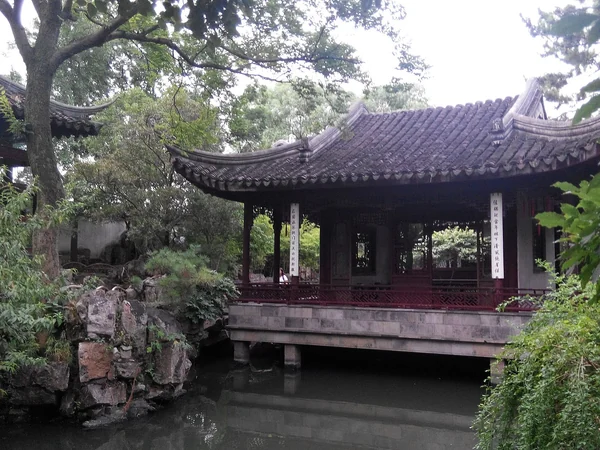
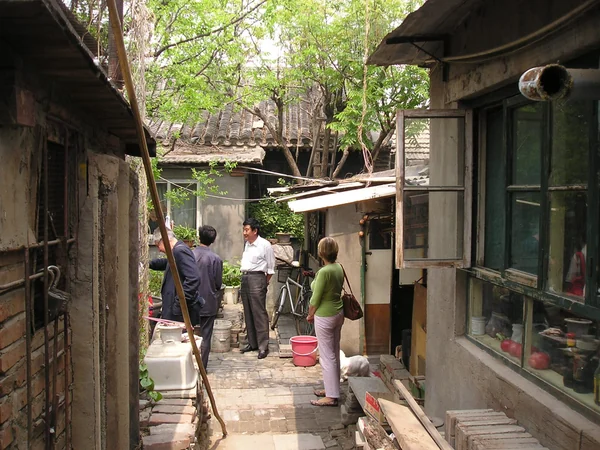
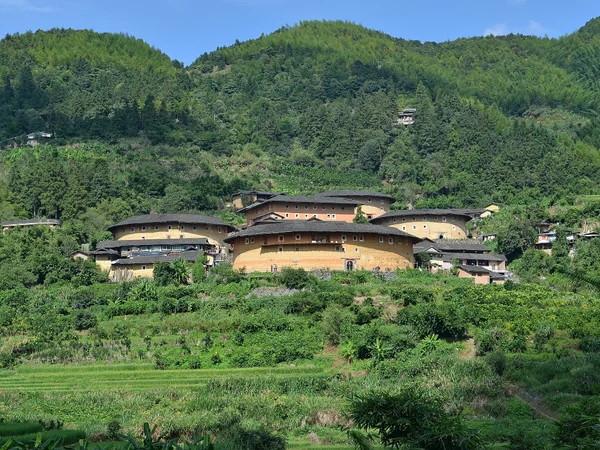
Official, religious and everyday space: The symmetrical sequence associated with major palace and ritual compounds is only one approach. Classical gardens use framed views, winding paths and borrowed scenery to create deliberate irregularity. Courtyard houses prioritize a graded transition from street to family space. Fujian tulou, cave dwellings on the Loess Plateau, Tibetan stone-and-timber houses and stilted buildings in humid regions respond to different materials, climates and community patterns. The cards below separate these topics so the same overview does not have to be repeated in every article.
Choose the right guide: Use types of Chinese architecture when you need to distinguish a palace, pavilion, terrace, multi-storeyed building, storeyed pavilion or pagoda. Read the Chinese garden architecture guide before visiting Suzhou or an imperial garden, where the route and sightlines are part of the design. The wooden-architecture section explains bays, frames and dougong in more detail.
Plan by geography, not a checklist: Beijing is strong for imperial and ritual planning; Shanxi preserves rare early timber halls; Suzhou is essential for classical gardens; Fujian offers major vernacular earthen complexes. Linking all four requires significant travel, so a first architecture trip usually works better with two regions and enough time on site. The China architecture tour provides one coherent framework, but opening arrangements and conservation access should always be confirmed for the actual travel dates.
Visitor practice: Do not touch painted beams, climb closed platforms or photograph interiors where restrictions apply. A restored roof may be newer than the frame below it, and a building can contain components from several periods. Museum labels, conservation notices and site plans are therefore more reliable than judging age by color alone.
Editorial accountability
Hu Lei, CEO. The named owner is responsible for travel-planning accuracy and escalation of time-sensitive checks.
Yuntian Travel (Yunnan) Group is identified in its corporate profile as a licensed professional inbound travel service provider based in Kunming, China. Registration and travel-service documents can be requested before booking.
Page-specific references where cited, official destination, transport and entry notices, YUNSKY route-planning records, and direct provider confirmation before a booking is finalized.
Content is reviewed when rules, transport, access, pricing or route conditions change. Final availability and operating details are reconfirmed for each traveler’s dates.
Quality review: Page updated: