Your China & Yunnan Travel Experts



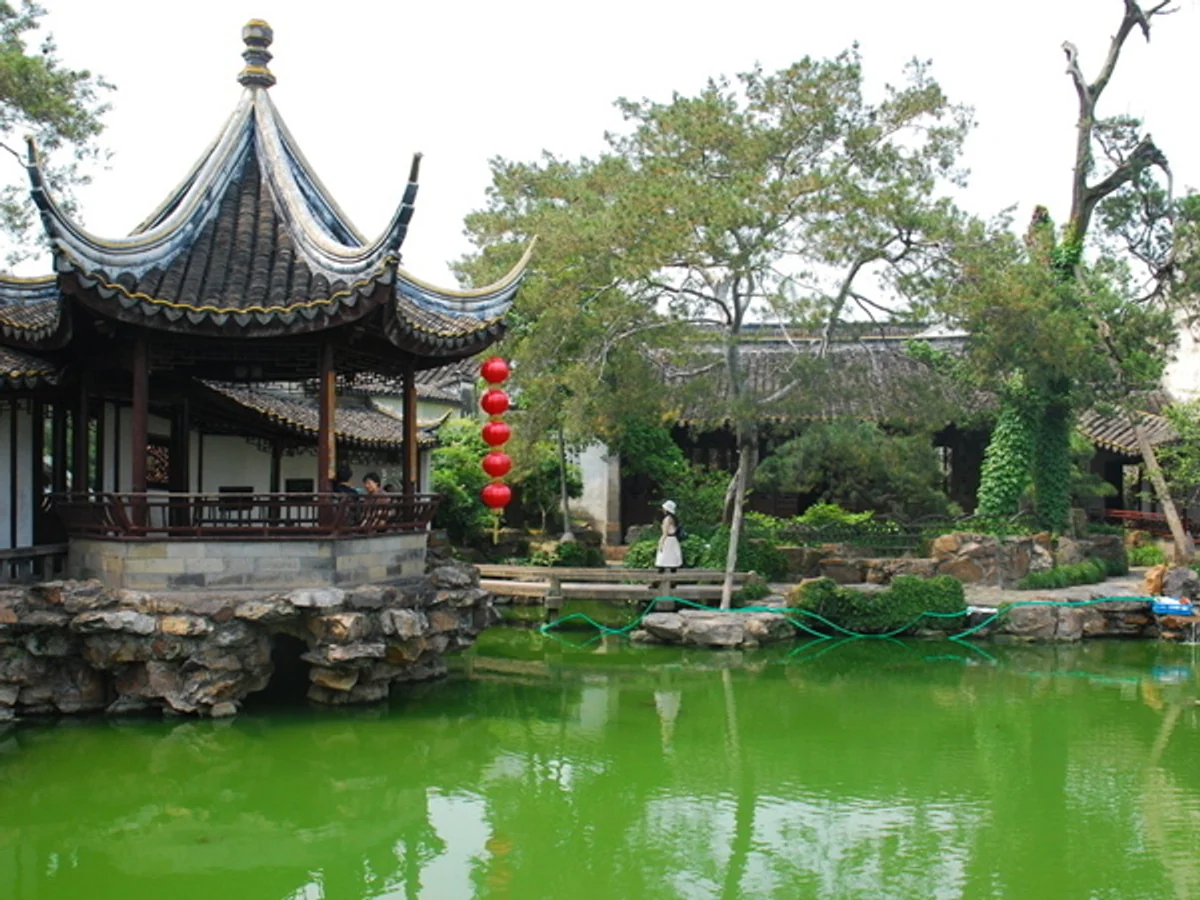
Chinese garden architecture is not a set of buildings placed beside plants. Halls, pavilions, corridors, bridges, walls and windows direct movement and shape what can be seen. A turn in a covered walk may conceal the next scene; a doorway can frame rock and bamboo like a painting; a pavilion can become both a viewpoint and an object reflected in water.
The design works through relationships. Built space provides shelter and social use, while water, rock, planting, topography and changing light create the landscape. “Borrowed scenery” extends the composition beyond the garden boundary, and named views or calligraphy can add literary associations. Irregularity is often deliberate, but it does not mean the plan is random.
When visiting, walk slowly and look in both directions through openings. Notice how the same pond appears from a hall, bridge and corridor. The China architecture route can connect gardens with palaces, temples and vernacular sites without treating every landscape as the same style.
Chinese garden architecture
Style in North China and South China
Northern imperial gardens and Jiangnan private gardens offer a useful comparison, but the distinction is not absolute. Court landscapes around Beijing generally had more land, larger ceremonial buildings and stronger use of glazed tile and painted decoration. Southern private gardens often compressed water, rock, planting and rooms into an urban site, using white walls, dark tiles and intricate openings to multiply views.
Patrons and craftsmen exchanged ideas across regions. Imperial gardens borrowed southern techniques, while private gardens could display status and formal planning. Climate, available space, ownership and later restoration are as important as latitude. The Summer Palace is a practical northern comparison because its lake, hill, long corridors, temples and court areas create several kinds of space within one site.
Representative Garden Architecture
• Suzhou Gardens
The classical gardens of Suzhou are celebrated for creating complex naturalistic landscapes within limited urban plots. The Humble Administrator's Garden, Lingering Garden, Master of the Nets Garden and Canglang Pavilion differ in scale and history, so visitors should not expect one standard plan. Their value lies in the choreography of rooms, water, rocks, planting, calligraphy and changing sightlines.
Peak visitor periods can make narrow paths and interiors crowded. Choose one or two gardens and allow time to repeat a route from another direction rather than collecting many entrances in a day.
Yuanmingyuan Garden
• Yuanmingyuan Garden
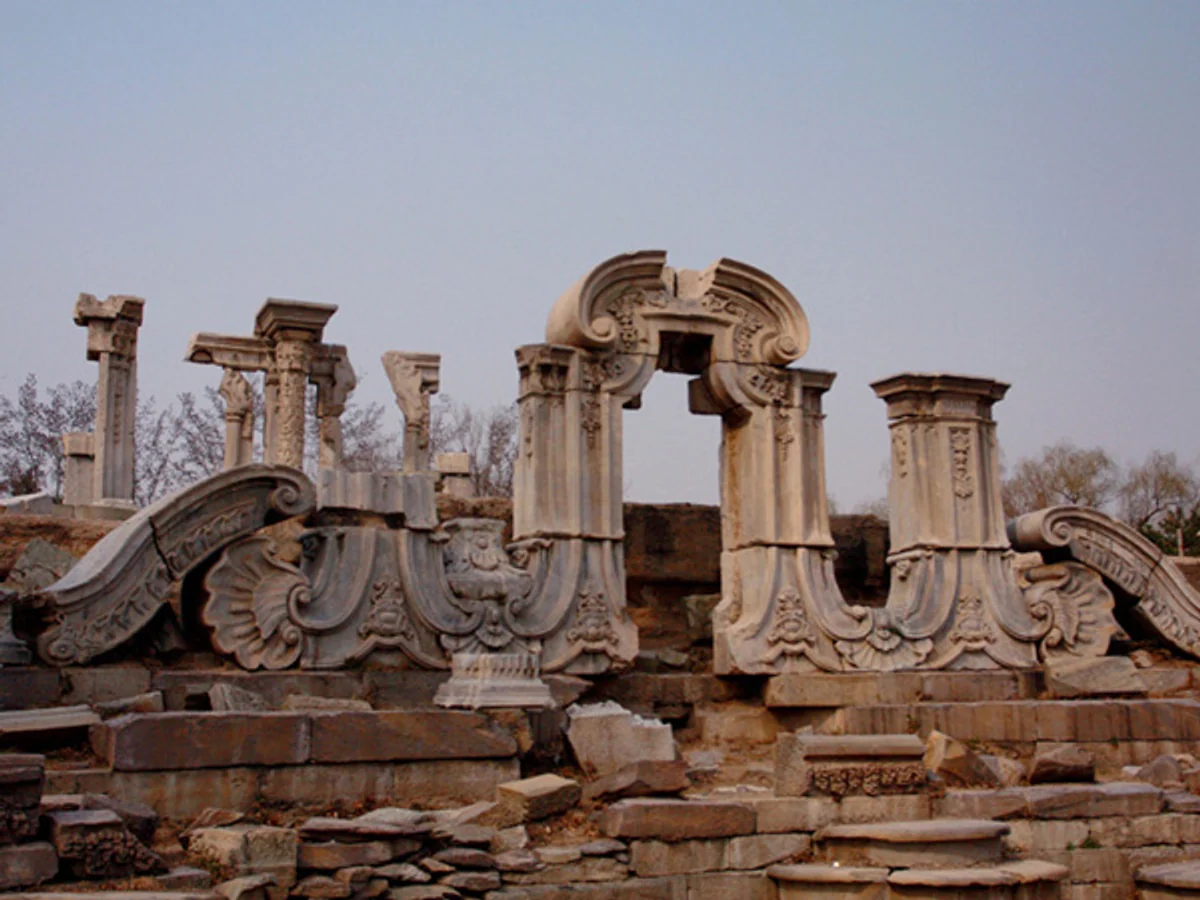
Yuanmingyuan, or the Old Summer Palace, was a vast Qing imperial garden complex that included Chinese landscape design and a group of European-style buildings. Anglo-French forces looted and burned large parts of it in 1860, and the surviving ruins now communicate destruction and historical memory as much as former garden splendor.
The site should not be used as the only model of an imperial garden, because it survives in a radically altered state. Compare it with better-preserved landscapes, read the on-site interpretation and avoid presenting speculative reconstructions as original fabric.