Your China & Yunnan Travel Experts

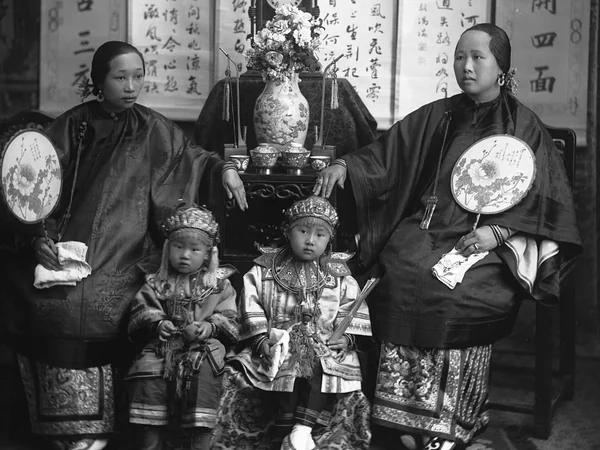
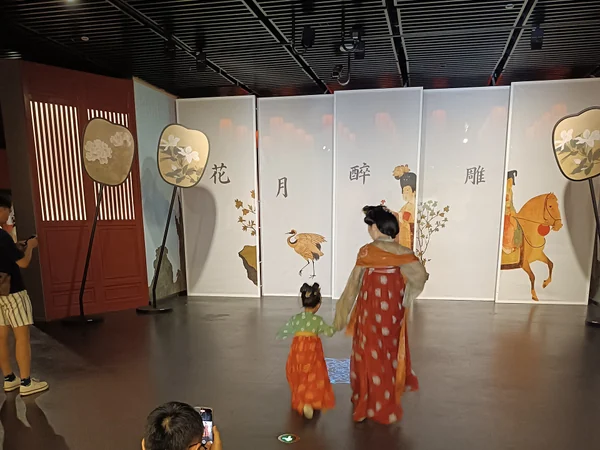
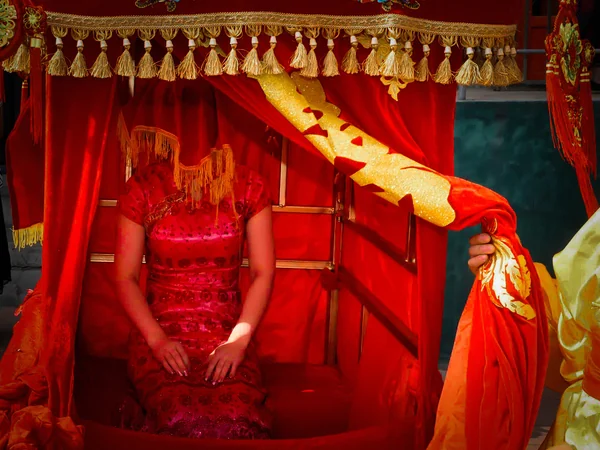
“Traditional Chinese clothing” does not describe one unchanged national costume. Dress in China has evolved across dynasties, regions, social roles, occupations and ethnic communities. Surviving garments, paintings and archaeological finds help reconstruct earlier forms, while modern wearers also adapt historical silhouettes for ceremonies, performance, photography and daily life. Silk is important to this history, but cotton, hemp, wool, fur and newer materials also belong to China's diverse clothing traditions.
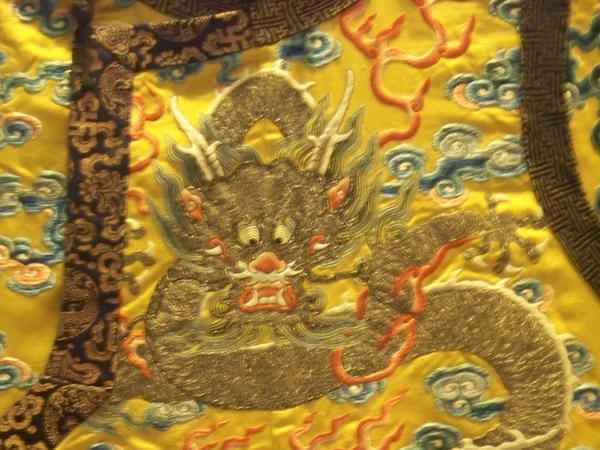
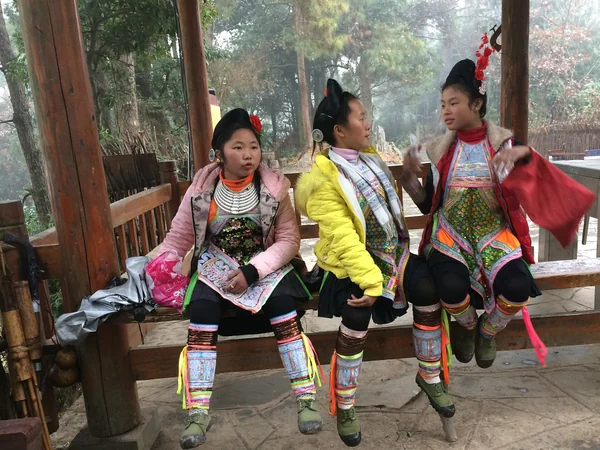
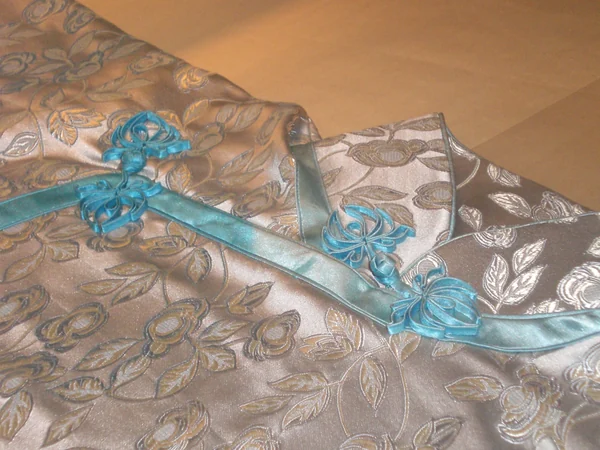
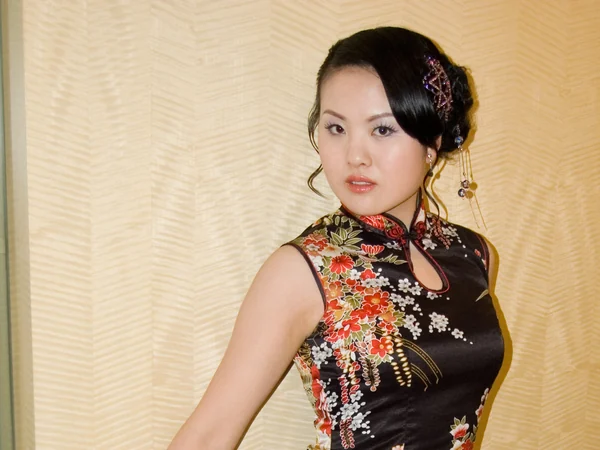
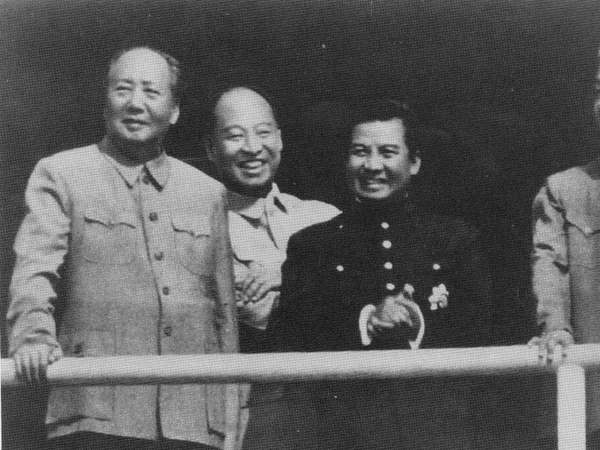
Useful terms should be kept distinct. Hanfu is a modern umbrella term for clothing traditions associated with Han Chinese history, with forms that vary greatly by period. The fitted qipao or cheongsam developed through modern urban fashion rather than representing all ancient women's dress. The Zhongshan suit belongs to twentieth-century political and social history. Imperial court robes followed rank and ritual systems, while the ceremonial and everyday clothing of Miao, Tibetan, Mongolian, Uyghur, Dong and other communities has its own makers, techniques and meanings.
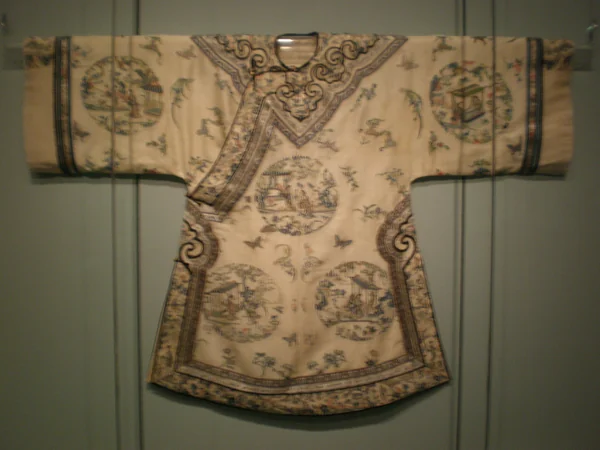
Read garments through evidence, not costume stereotypes. In a museum, check date, region, wearer, fiber, weave, embroidery and later alterations. UNESCO's documentation of Chinese sericulture describes a chain from mulberry cultivation and silkworm raising to reeling, spinning and weaving; the Chinese silk guide provides further context. For living textile traditions, Guizhou travel planning can connect visitors with museums and communities known for embroidery, batik and silverwork, but participation should respect local ownership and current community rules.
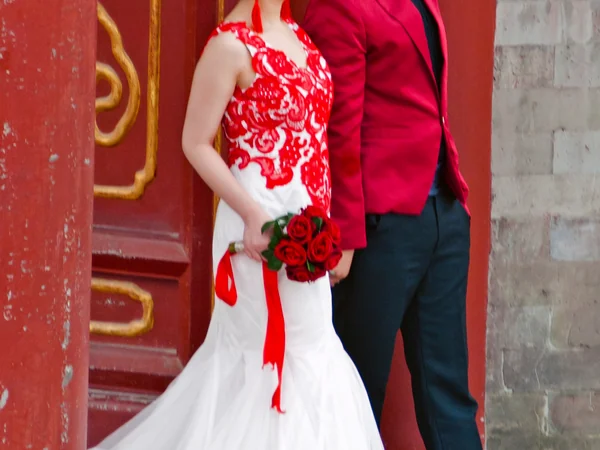
Ask before photographing people, especially during weddings, worship or village ceremonies. Do not present rented studio costume as documentary evidence of how an entire dynasty or ethnic group dressed. A well-designed China cultural itinerary should pair clothing with the places, crafts and historical sources that explain it. The linked sections below retain the original progression from wedding and imperial dress to ethnic clothing, historical change, qipao and Zhongshan suit.