Your China & Yunnan Travel Experts



Chinese silk connects agriculture, textile technology, clothing, art and long-distance exchange. Its history cannot be reduced to luxury or the Silk Road: mulberry cultivation, silkworm care, reeling, dyeing and weaving supported rural households, specialist workshops, courts and markets. Archaeological textiles are fragile, so dates should follow excavated evidence rather than one legendary discovery story.
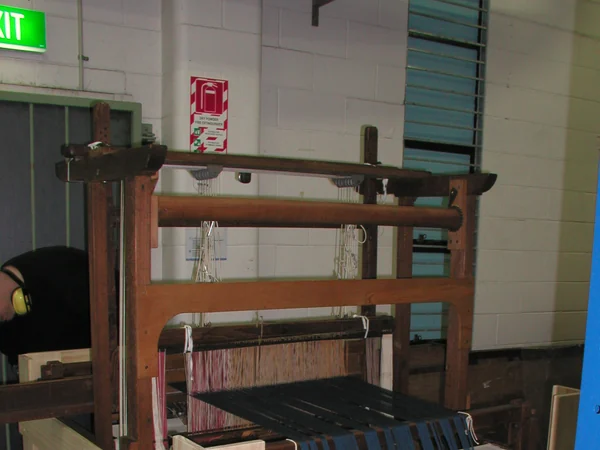
Sericulture begins with mulberry cultivation and raising silkworms through carefully managed life stages. Mature larvae spin cocoons from continuous filament. For reeled silk, cocoons are softened, filaments from several cocoons are drawn together, then twisted, cleaned, dyed and woven. Spun silk uses shorter fibers. Boiling is not a visitor activity: heat, wet floors and machinery require trained supervision. UNESCO describes sericulture as a connected body of agricultural and craft knowledge rather than one single weaving method.
Chinese silk textile
Origins and Development
By the Shang and Zhou periods, texts and archaeology indicate established silk use. Later workshops developed complex patterned weaves, embroidery and tapestry techniques. Han, Tang, Song, Yuan, Ming and Qing textiles differ in loom technology, patronage, motif and trade. It is inaccurate to assign one uninterrupted “peak” to all silk production or to describe weaving as exclusively women's work.

Silk moved through multiple overland and maritime networks to Korea, Japan, Central Asia, the Middle East and Europe. The term Silk Road is modern and covers many routes and commodities. Silk was sometimes used for payment or taxation in particular periods, but it did not simply replace money throughout China.
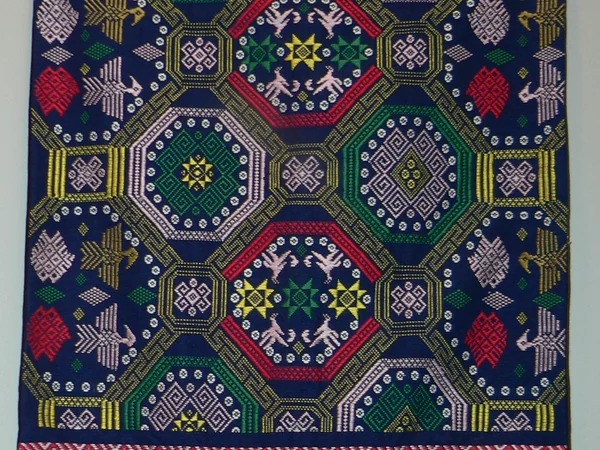
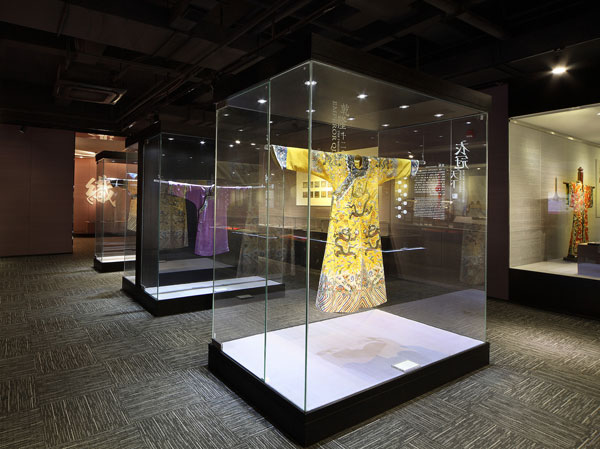
Shanghai, Suzhou and Hangzhou offer useful museum and workshop context. The China Silk Museum is the strongest starting point for understanding fibers, looms and archaeological textiles before shopping.9 Days Best Scenery Trip Around Shanghai can connect silk culture with Jiangnan cities without turning every stop into a factory visit.
9 Days Best Scenery Trip Around Shanghai
Shanghai, Tongli Water Town, Suzhou, Hangzhou, Mt. Huangshan
Kinds of Chinese Silk
Silk products are better compared by structure than by a fixed list of four regions. Plain weave, satin, gauze, damask, brocade and kesi tapestry are produced differently. Embroidery adds thread to a ground fabric; it is not itself a type of woven silk. Fiber may be reeled filament, spun silk or a blend, and each affects sheen, strength and feel.
Regional workshops developed recognizable patterns through local markets, court commissions and exchange. Suzhou embroidery, Nanjing Yunjin brocade, Sichuan Shu brocade and Guangdong traditions should not be collapsed into one ranking. Ask whether a displayed item is woven, embroidered, printed or machine-produced.
Characteristics of Silk
1. Handle and drape. Silk filament can produce a smooth surface and fluid drape, but weave, finishing and fiber quality create wide variation. A soft hand is not proof that a fabric is pure silk.
2. Moisture behavior. Silk is a protein fiber that can absorb some moisture, yet broad claims that it protects skin or regulates health go beyond what a travel guide should promise. Comfort depends on weave, lining, humidity, garment construction and personal preference.
3. Strength and heat. Silk can be strong for its weight, but sunlight, abrasion, perspiration and chemicals weaken it. It is not safely described as flame-retardant for consumer use. Keep silk away from open flame and follow the care label.
4. Light sensitivity. Prolonged ultraviolet exposure can fade dyes and yellow or weaken fibers. Museums limit light for historic textiles; travelers should store silk away from direct sun and avoid displaying valuable pieces continuously.
Chinese silk
Suzhouin Jiangsu
is associated with silk weaving, embroidery and Jiangnan textile commerce. A workshop should clearly explain whether the demonstration shows hand weaving, embroidery or modern production. The Suzhou silk shopping guide helps organize the next step without repeating sales advice here.
Huzhou in Zhejiang
has long-standing sericulture communities and connections with mulberry cultivation around the Taihu region. Avoid fixed export or market-size figures unless a current official source confirms them.
Shengze in Jiangsu
became an important weaving and textile-distribution center in the lower Yangtze. Historical market identity and today's industrial production are related but not identical; a visitor should confirm whether a stop is a museum, workshop, wholesale market or retail showroom.
Chinese silk museum display
Chinese Silk Souvenirs
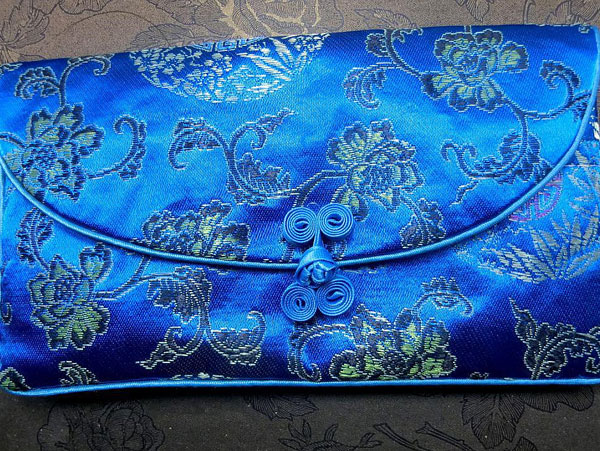
When buying, ask for fiber content, weave or embroidery method, maker and care instructions. Burn tests can damage goods and create safety risks; use labels or independent laboratory testing for a valuable textile. Check seams, dye transfer and printed patterns in good light. Keep receipts, pack delicate pieces dry and flat or loosely rolled, and do not accept an unsupported “antique” claim.
Editorial accountability
Hu Lei, CEO. The named owner is responsible for travel-planning accuracy and escalation of time-sensitive checks.
Yuntian Travel (Yunnan) Group is identified in its corporate profile as a licensed professional inbound travel service provider based in Kunming, China. Registration and travel-service documents can be requested before booking.
Page-specific references where cited, official destination, transport and entry notices, YUNSKY route-planning records, and direct provider confirmation before a booking is finalized.
Content is reviewed when rules, transport, access, pricing or route conditions change. Final availability and operating details are reconfirmed for each traveler’s dates.
Quality review: Page updated: