Your China & Yunnan Travel Experts


Reviewed August 28, 2026. Halal food in China is not one regional cuisine. It includes Hui cooking, Uyghur and other northwestern traditions, Beijing time-honored dishes, Lanzhou-style noodles, coastal food and ordinary Chinese meals prepared under halal requirements. This guide helps travelers judge a restaurant, order clearly and manage uncertainty without treating every pork-free or vegetarian dish as halal. For wider food context, compare the Chinese cuisine guide.
The Chinese term most travelers will see is qingzhen (清真). A qingzhen sign is useful evidence, but travelers with strict requirements should still ask about meat sourcing, alcohol, stocks, sauces, shared cookware and certification. Practice can differ by community and individual interpretation, so the traveler who will eat the meal should make the final decision.
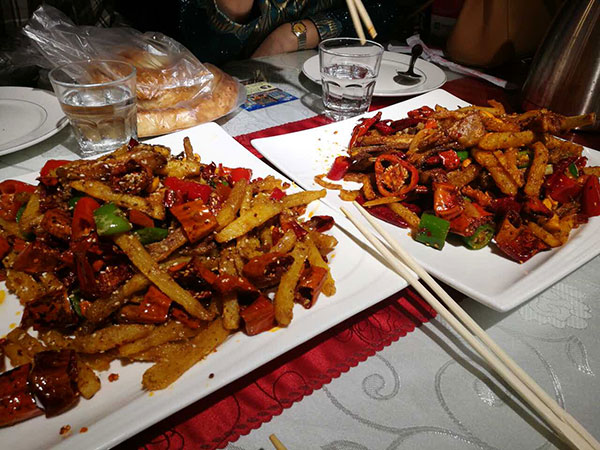
Halal concerns permitted ingredients and preparation, including how meat is slaughtered and whether prohibited substances or cross-contact are involved. It is a religious standard, not a claim that one food is medically cleaner or that another community's diet is inferior.
China offers many potentially suitable ingredients, but suitability depends on preparation. Whole fruit, plain rice, vegetables and sealed products with clear labels are easier to assess than complex broths, dumplings or stir-fries. When in doubt, ask before ordering rather than relying on appearance.
Poultry and eggs: Chicken, duck, goose, quail and eggs can be acceptable, but meat still requires a halal source and preparation. A chicken dish in a general restaurant is not automatically halal simply because it contains no pork.
Beef, lamb and camel: Beef and lamb are common in Chinese Muslim cooking, from Lanzhou beef noodles to Beijing instant-boiled mutton and Xinjiang kebabs. Confirm the restaurant's halal status; the animal species alone does not settle slaughter or kitchen practice.
Fish and seafood: Many Muslim travelers eat fish and seafood, but schools of Islamic law and personal practice can differ on shellfish and other species. Ask the traveler, not the guide, to define the boundary, and check sauces, cooking wine and shared fryers.
Stocks, oils and sauces: A vegetable plate may contain animal stock, lard, oyster sauce or cooking wine. Request plain preparation when necessary and confirm whether the wok, grill and utensils are shared with non-halal ingredients. Clear questions are more reliable than a vague “no meat” request.
The clearest exclusions for most Muslim travelers are pork, blood, carrion and intoxicants. However, a useful travel guide should explain the kitchen decisions behind those principles rather than publish sensational lists of animals or unsupported health claims.
Meat source:
Ask whether beef, lamb or poultry is halal and whether the restaurant is qingzhen. Do not assume meat in a Muslim-majority neighborhood is verified unless the business or community clearly identifies it. Seafood differences:
Do not state that every seafood item is universally accepted or forbidden. Travelers who follow a particular school should identify the species and preparation they accept before the trip, especially for shellfish, eel-like fish or mixed seafood broth.
Pork and lard: Pork may appear as visible meat, minced filling, stock, sausage or lard. Ask about 猪肉 (zhūròu, pork) and 猪油 (zhūyóu, lard), and remember that simply removing visible pieces does not change the broth or cooking surface.
Blood products: Blood tofu and blood-based hot-pot ingredients occur in several regional cuisines. They are usually visible on a menu, but mixed platters and set meals deserve an explicit check.
Alcohol and cooking wine: Chinese rice wine, beer or other alcohol may be used in marinades and sauces even when a dish does not taste alcoholic. Ask for a preparation without 料酒 (liàojiǔ, cooking wine) if that matches your practice.
Cross-contact: A restaurant can offer a pork-free dish while sharing woks, fryers, knives or grills with prohibited food. Travelers who need strict separation should choose a clearly halal establishment and ask how the kitchen handles shared equipment.
Packaged ingredients: Read the full ingredient list rather than relying on green packaging or Arabic-style decoration. Gelatin, emulsifiers, flavorings and alcohol-containing extracts may require further verification; a current recognized halal mark is stronger evidence than design alone.
Personal and regional practice: Chinese Muslim communities are diverse, and travelers also arrive with different standards. A guide should never pressure someone to eat a disputed ingredient because another Muslim diner accepts it.
Use a short translated request: “I need qingzhen food; no pork, lard, alcohol or cooking wine.” Then ask separate questions about meat and cookware. One long automated translation can obscure the decision you actually need.
Vegetarian does not equal halal.
A vegetarian dish can contain alcohol, animal stock or shared-kitchen contact. It may still be a practical fallback for some travelers, but label it accurately and let the traveler decide.
Build an arrival backup by carrying a sealed snack and identifying two suitable restaurants near the hotel. Flight delays, closures and festival hours can make a single saved map pin unreliable.
Restaurant names, branches, certification, menus and opening times change. Confirm them on the day through the business, a current map listing and, when possible, a local Muslim contact.
The table below replaces stale restaurant addresses with durable search areas and verification prompts. Use it to start research, not as a certification list. The Chinese dining culture guide explains shared dishes, seating and payment, while the Muslim festivals guide helps anticipate holiday demand and changed hours. City Halal Meal-Planning Matrix
| City | Useful starting point | What to verify before eating |
| Beijing | Niujie and established qingzhen brands | Current branch, halal status, cooking wine and peak Friday or festival hours |
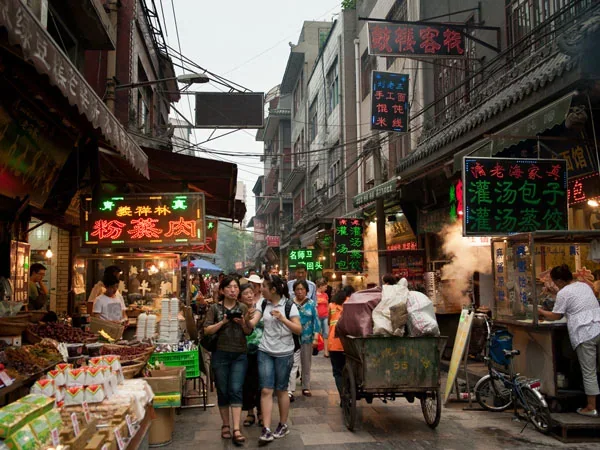
| Xi'an | Muslim Quarter plus quieter neighborhood restaurants | Meat source, shared grill or fryer, and whether a tourist-facing stall meets your standard |
| Lanzhou | Beef-noodle shops marked qingzhen | Halal identification, broth ingredients and branch-specific opening hours |
| Shanghai | Qingzhen noodle shops and restaurants near Muslim communities | Current location, certification evidence and shared-kitchen practice |
| Guangzhou | Restaurants near historic mosque areas and transport hubs | Meat source, seafood preference, sauces and alcohol in marinades |
| Kashgar | Local Uyghur restaurants, bakeries and markets | Current access, individual dietary boundaries and respectful food photography |
| Xining | Hui and northwestern restaurants around central districts | Qingzhen status, meat source and spice or offal preferences |
| Chengdu | Dedicated qingzhen restaurants rather than ordinary hot-pot shops | Separate broth, oil, utensils and absence of cooking wine or pork stock |
| Shenzhen | Lanzhou-noodle, Xinjiang and dedicated halal restaurants | Exact branch, current hours, halal evidence and delivery-kitchen separation |
| Hong Kong | Mosque-area dining and currently certified businesses | Current certificate, menu ingredients, booking needs and service hours |
From $ 1226
From $ 2183
Editorial accountability
Hu Lei, CEO. The named owner is responsible for travel-planning accuracy and escalation of time-sensitive checks.
Yuntian Travel (Yunnan) Group is identified in its corporate profile as a licensed professional inbound travel service provider based in Kunming, China. Registration and travel-service documents can be requested before booking.
Page-specific references where cited, official destination, transport and entry notices, YUNSKY route-planning records, and direct provider confirmation before a booking is finalized.
Content is reviewed when rules, transport, access, pricing or route conditions change. Final availability and operating details are reconfirmed for each traveler’s dates.
Quality review: Page updated:
