Your China & Yunnan Travel Experts


Reviewed August 28, 2026. The history of Islam in the People's Republic of China includes constitutional language, state administration, institutional rebuilding and substantial differences in local experience. Article 36 of the Constitution states that citizens enjoy freedom of religious belief and also sets limits connected with public order, health, education and foreign control. The revised Regulations on Religious Affairs, effective since 2018, govern religious bodies, schools, venues and activities. These legal texts describe the formal framework; they should not be used alone to claim that implementation is identical in every period or locality. Start with the broader Islam in China timeline for earlier history.
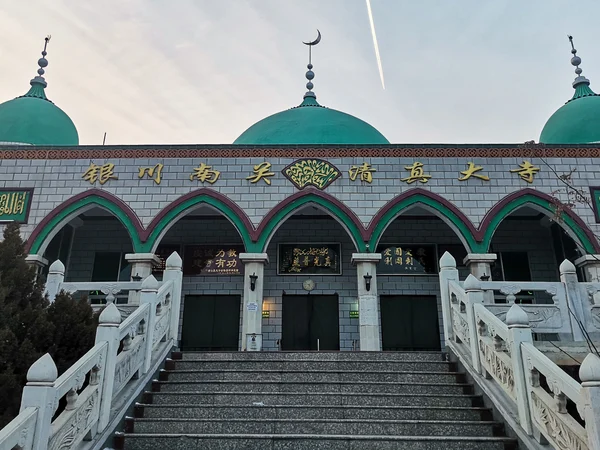
The PRC also developed a system of ethnic regional autonomy. Several officially recognized ethnic groups have long associations with Islam, but ethnicity and belief are not interchangeable: individuals differ in language, observance and family history. Autonomous regions, prefectures and counties are administrative units, not religious jurisdictions. Old totals for the number of “Muslim autonomous areas” can become misleading when boundaries or classifications change, so travelers and researchers should check current official administrative data rather than copy a static list.
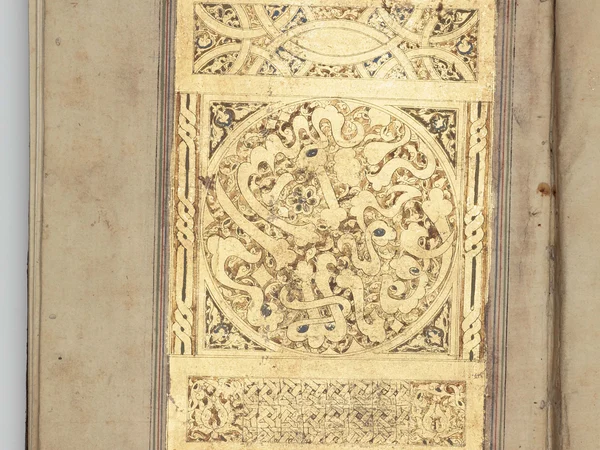
The China Islamic Association was founded in Beijing in 1953. Its stated functions have included liaison, religious education, publications, exchange and support for Islamic affairs within the national regulatory system. Local associations operate at different administrative levels, but a national founding date does not prove when a particular city branch began. Printed Qurans, journals and instructional works circulated through authorized institutions; editions, translations and print quantities need catalog or publisher evidence, so the old unsupported “one million copies” claim has been removed.
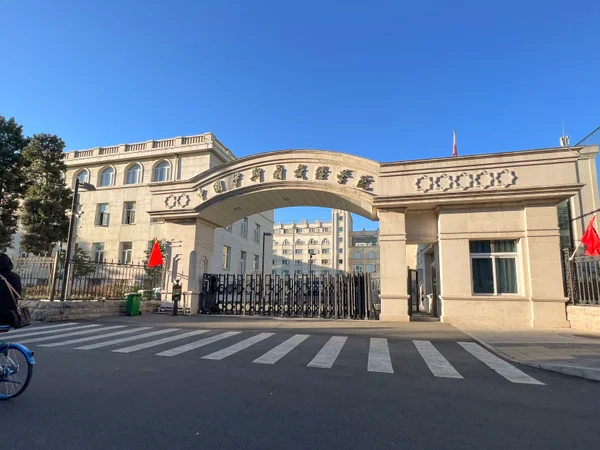
The China Islamic Institute was established in Beijing in 1955 to educate religious personnel. Other approved Islamic institutes have since operated in several regions. Programs, admissions and current campuses can change, and a historic institution should not be described as an ordinary tourist attraction. The replacement photograph shows the real Beijing institute exterior; it does not imply public access. Anyone seeking academic or religious study information should consult the institution or relevant authority directly.
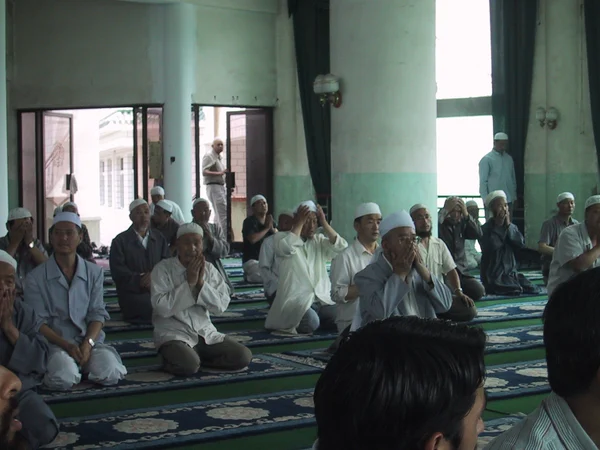
The Cultural Revolution from 1966 to 1976 brought a major rupture in religious life across China. Mosques, churches, temples and monasteries were closed, repurposed or damaged in many places; religious texts and objects were lost, and formal worship and education were heavily constrained. The scale and sequence differed by locality, so this page avoids a universal building count. Surviving fabric, repair inscriptions, local gazetteers and community testimony should be read together. A present-day mosque photograph illustrates continuity after disruption, not the condition of that exact site in every year of the period.
From the late 1970s, religious venues reopened or were repaired in many areas, associations resumed work and religious education was reorganized. This recovery unfolded under changing national and local rules rather than as one immediate return to pre-1966 conditions. For regional context, the Gansu Muslim guide introduces communities whose mosques, teaching networks and food traditions have their own local histories. Visitors should ask before entering prayer halls, avoid prayer times when sightseeing and follow on-site instructions about dress and photography.
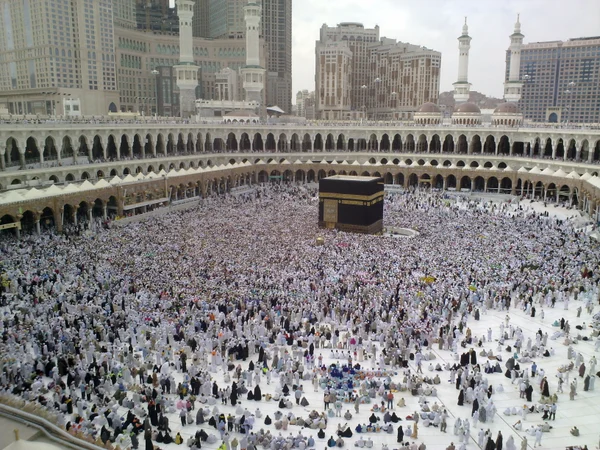
Hajj participation and international religious exchange resumed through organized channels after the reform era began. Annual quotas, health rules, registration, approved operators and departure arrangements are dynamic; old attendance records are historical snapshots, not planning guidance. Academic and cultural exchange likewise operates within current law and institutional approval. Prospective pilgrims should rely on dated notices from the relevant authorities and recognized religious organizations, not social-media advertisements or undated travel copy.
Since the 1980s, the relationship among religious practice, ethnic policy, heritage management, security regulation and local administration has continued to evolve. Experiences differ between Hui communities across inland cities and Turkic-speaking Muslim communities in Xinjiang; the Xinjiang Muslim guide provides regional background without treating it as representative of all China. This page distinguishes formal law from lived experience and avoids guarantees about access or practice. Verify current national rules, provincial measures and venue notices close to travel, research or worship.
From $ 1226
From $ 2183
Editorial accountability
Hu Lei, CEO. The named owner is responsible for travel-planning accuracy and escalation of time-sensitive checks.
Yuntian Travel (Yunnan) Group is identified in its corporate profile as a licensed professional inbound travel service provider based in Kunming, China. Registration and travel-service documents can be requested before booking.
Page-specific references where cited, official destination, transport and entry notices, YUNSKY route-planning records, and direct provider confirmation before a booking is finalized.
Content is reviewed when rules, transport, access, pricing or route conditions change. Final availability and operating details are reconfirmed for each traveler’s dates.
Quality review: Page updated:
