Your China & Yunnan Travel Experts


“Chinese food” is a collection of regional cuisines rather than one menu. A useful tasting plan links dishes to place, technique and meal setting. Portions, spice and ingredients vary by restaurant, so ask specific questions and use the Chinese cuisine guide for a wider regional overview. Travelers with allergies should carry a written Chinese note naming the ingredient and the risk from stock, sauces, shared oil or utensils; a broad word such as “seafood” or “vegetarian” may not cover the actual restriction.
Beijing roast duck is the city's best-known ceremonial meal; ask how many people a whole or half duck serves and what accompaniments are included. Copper-pot mutton hot pot offers a different northern tradition. Also consider zhajiang noodles and simple breakfast foods, not only famous banquet dishes.
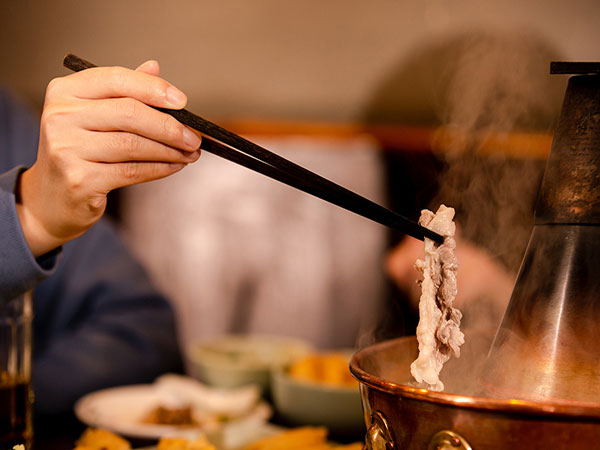
Xian's wheat-based food reflects northwestern trade and agriculture. Roujiamo, hand-pulled or biangbiang-style noodles, dumplings and lamb dishes are common choices. The Muslim Quarter is lively but not the city's only food area; compare busy stalls with established restaurants and ask about spice and meat clearly.
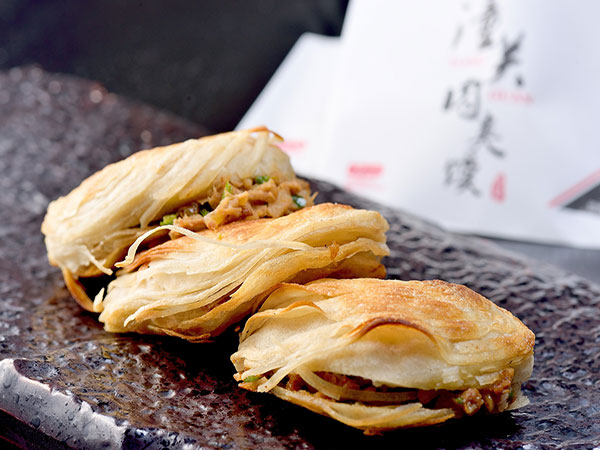
Chengdu rewards travelers who look beyond a single hot-pot meal. Mapo tofu, dan dan noodles, wontons, skewers and cold dishes show different uses of chili, broad-bean paste and Sichuan pepper. “Spicy” is not one fixed level, so request less heat and mention allergies separately.
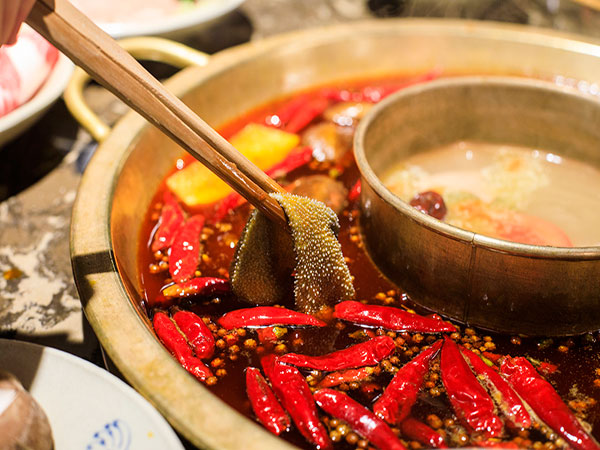
Shanghai cooking often balances savory and subtly sweet flavors. Xiaolongbao and shengjianbao differ in wrapper, cooking method and texture; both contain hot broth, so bite carefully. River and seasonal dishes vary. A Shanghai night food walk can connect snacks with neighborhood history.
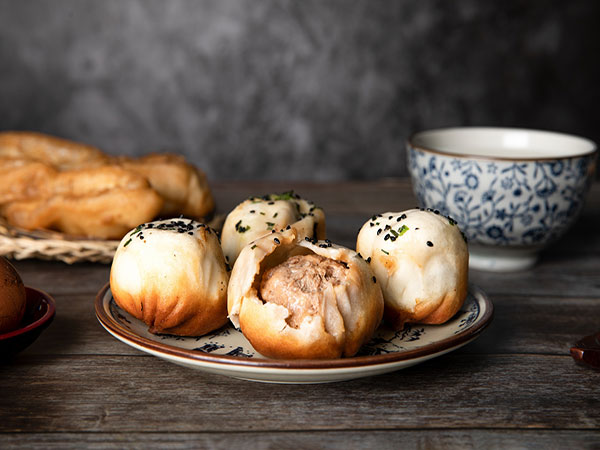
Guilin rice noodles are a practical local breakfast or lunch, with toppings and broth styles that vary by shop. Beer fish is associated with Yangshuo, while stuffed vegetables and tofu appear in regional home-style cooking. Choose busy, clean premises and confirm fish price by weight before ordering.
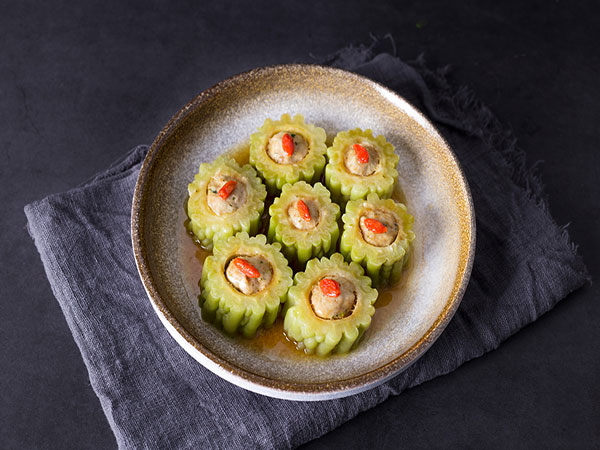
Guangzhou is central to Cantonese dining: dim sum is a morning or lunchtime ritual in many restaurants, while roast meats, soups, seafood and clay-pot dishes reveal other techniques. Tea charges and ordering systems vary. Ask whether seafood is priced per portion or by weight, and confirm the total before preparation. For another city-specific experience, compare the Beijing evening food tour.

From $ 1599

From $ 22782050

From $ 2686
Editorial accountability
Hu Lei, CEO. The named owner is responsible for travel-planning accuracy and escalation of time-sensitive checks.
Yuntian Travel (Yunnan) Group is identified in its corporate profile as a licensed professional inbound travel service provider based in Kunming, China. Registration and travel-service documents can be requested before booking.
Page-specific references where cited, official destination, transport and entry notices, YUNSKY route-planning records, and direct provider confirmation before a booking is finalized.
Content is reviewed when rules, transport, access, pricing or route conditions change. Final availability and operating details are reconfirmed for each traveler’s dates.
Quality review: Page updated: