Your China & Yunnan Travel Experts


Breakfast in China changes by region, season and neighborhood. Street stalls, small specialist shops, markets and hotel buffets may all serve it, but the most useful approach is to recognize the dish, its usual texture and common ingredients. Opening hours and recipes vary, so confirm locally and communicate allergies clearly.
Youtiao are crisp lengths of fried dough often paired with warm soy milk. Soy milk may be sweetened or unsweetened, and some regional versions are savory. Eat youtiao soon after frying for the intended texture.
A busy breakfast shop can indicate fresh turnover, but cleanliness and oil quality still matter. Ask before dipping or adding sugar because the local serving style differs.

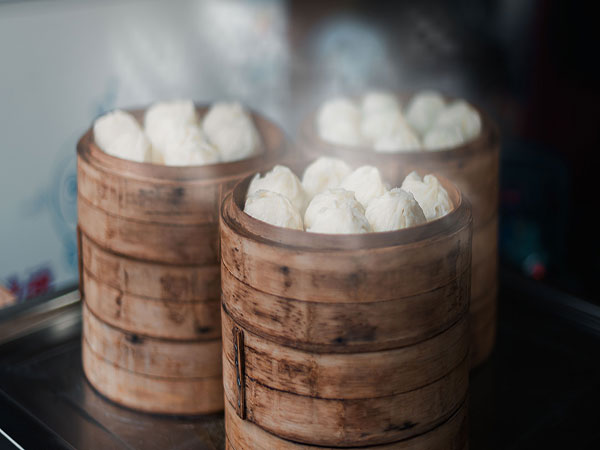
Baozi are steamed buns filled with meat, vegetables, sweet bean paste or other regional combinations. Mantou are generally unfilled steamed breads, while flower rolls may include scallion or seasoning.
Fillings can be extremely hot. Break the bun carefully, check the center, and use a translated allergy note because ingredients such as sesame, peanuts or shellfish may not be visible.
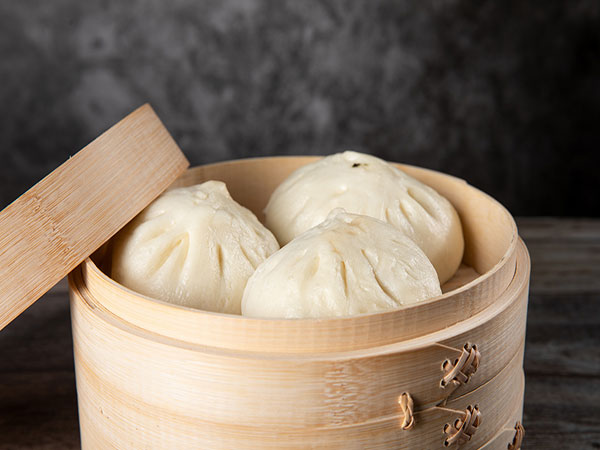
Xiaolongbao are delicate steamed dumplings associated especially with Jiangnan cuisine. The wrapper encloses filling and hot broth, commonly pork but sometimes crab or other variations.
Lift one gently, let it cool, and taste the broth without biting immediately. A specialist shop is often a better choice than ordering every regional dish from one large menu.
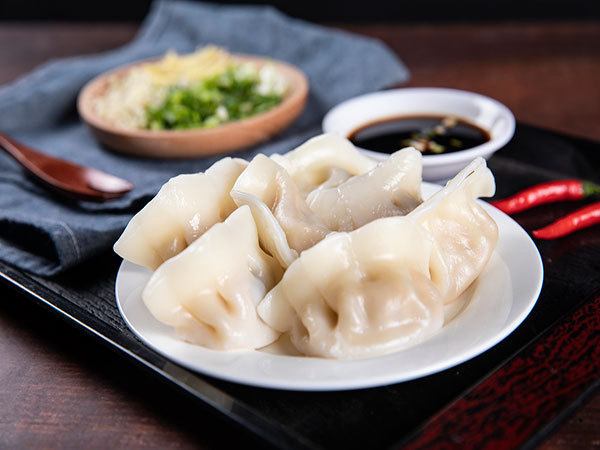
Jiaozi are boiled, steamed or pan-fried dumplings with many fillings. They are important festival food in northern China but are also eaten as an ordinary meal or breakfast.
Vinegar, soy sauce, garlic and chili may be offered separately. Ask about the cooking method and filling rather than assuming all dumplings are the same.
Breakfast noodles may be served in broth, mixed with sauce or topped with meat and vegetables. Regional examples include Wuhan hot dry noodles, Chongqing noodles, Beijing-style zhajiang noodles and Xi'an's broad wheat noodles.
Spice level, sesame paste and peanut content can be important for dietary needs. Learn the local specialty before ordering through the regional China food guide.
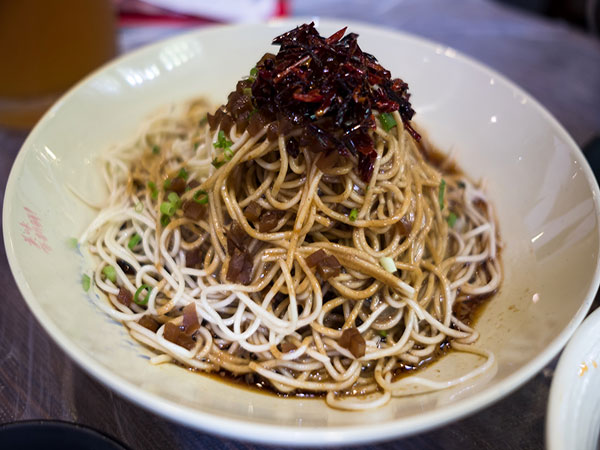
Wuhan hot dry noodles are mixed with a sesame-rich sauce rather than served as a soup.
Rice noodles are especially prominent in Guangxi, Yunnan and Hunan. Guilin rice noodles, Liuzhou luosifen and Yunnan crossing-the-bridge noodles differ substantially in broth, toppings, aroma and serving method.
Do not use one dish as a label for an entire province. In Yunnan, rice-noodle styles vary by city and ethnic culinary tradition.
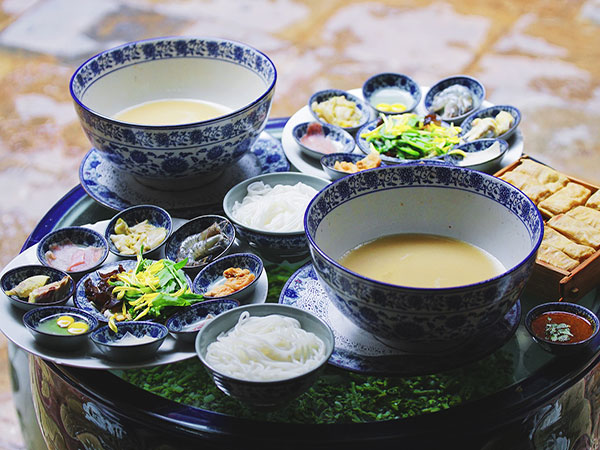
Crossing-the-bridge noodles are assembled by adding ingredients to very hot broth; follow the server's sequence and allow the bowl to cool.
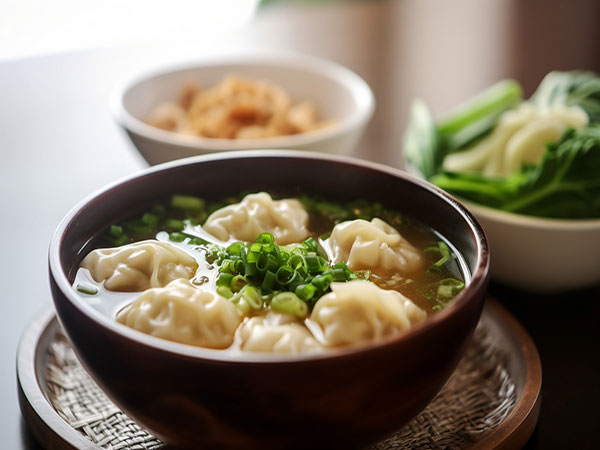
Wontons usually have thinner wrappers than jiaozi and are often served in broth. Fillings commonly use pork, shrimp or vegetables, while Sichuan hongyou chaoshou are dressed with chili oil rather than mild soup.
Ask whether the broth contains seafood or meat stock. The dish can be light in appearance without being vegetarian or allergen-free.
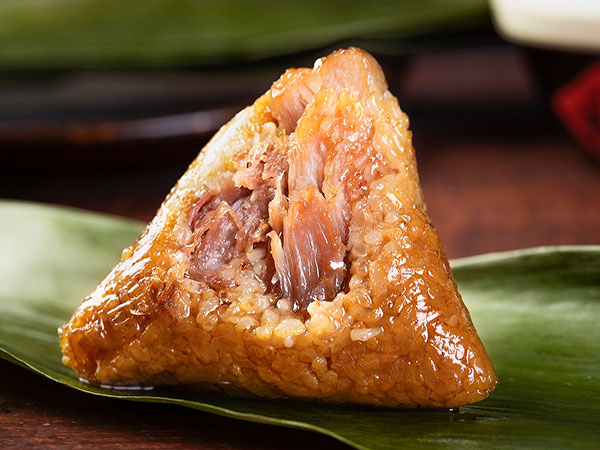
Zongzi are glutinous-rice parcels wrapped in leaves and strongly associated with the Dragon Boat Festival, though they are sold at other times. Sweet versions may contain beans or dates; savory versions can include pork, egg yolk or mushrooms.
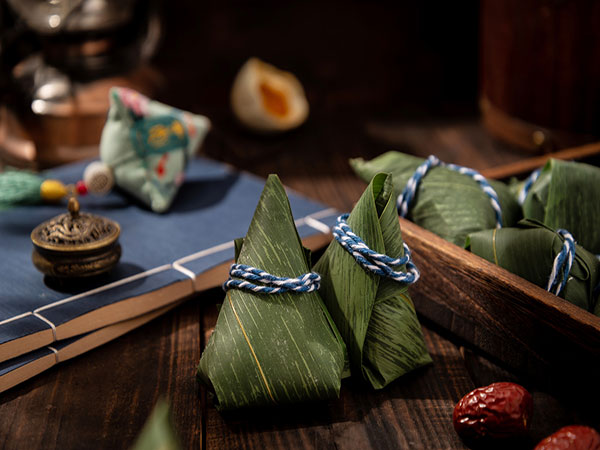
Remove the leaf before eating and expect a dense, filling texture. Compare breakfast cultures while exploring the China destinations hub, then connect culinary stops with a realistic route from China Tours.

From $ 1599

From $ 22782050

From $ 2686
Editorial accountability
Hu Lei, CEO. The named owner is responsible for travel-planning accuracy and escalation of time-sensitive checks.
Yuntian Travel (Yunnan) Group is identified in its corporate profile as a licensed professional inbound travel service provider based in Kunming, China. Registration and travel-service documents can be requested before booking.
Page-specific references where cited, official destination, transport and entry notices, YUNSKY route-planning records, and direct provider confirmation before a booking is finalized.
Content is reviewed when rules, transport, access, pricing or route conditions change. Final availability and operating details are reconfirmed for each traveler’s dates.
Quality review: Page updated: