Your China & Yunnan Travel Experts


Shopping in China ranges from museum design shops and tea stores to craft markets and major malls. A smart purchase is not simply cheap: it has a clear origin, understandable material, transparent price and practical route home. Avoid claims that an object is antique, medicinal or investment-grade unless qualified evidence supports them.
Museum and attraction shops often provide convenient, well-labeled gifts connected to a place. Specialist stores may offer deeper product knowledge, while markets provide variety but require more comparison. Ask for a receipt, check return conditions and inspect the actual item rather than a display sample.
Tea
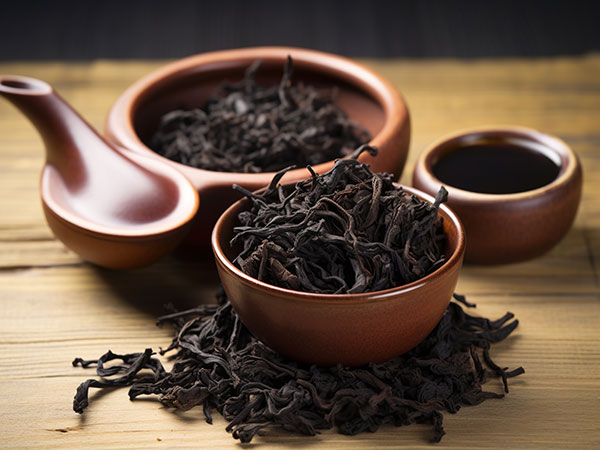
Tea is meaningful when the traveler understands type, origin, harvest information and storage. Buy a tasting quantity first, compare several infusions and avoid health promises. Sealed, clearly labeled packaging is easier to transport than an unmarked bag.
Silk
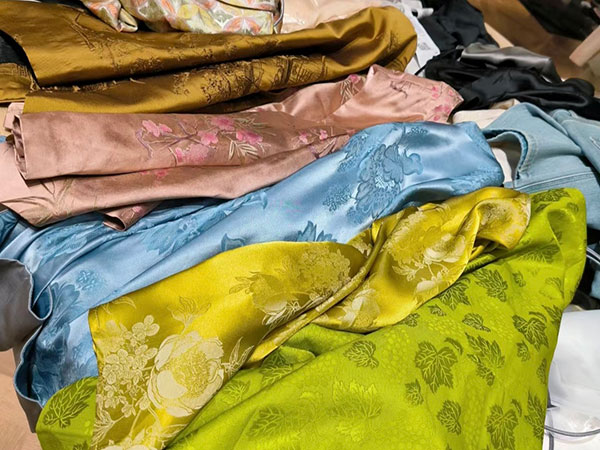
Silk products range from verified fiber goods to blends and synthetic imitations. Check the fiber label, stitching, care instructions and seller reputation. A dramatic burn demonstration is not a substitute for product documentation.
Museum and cultural design products
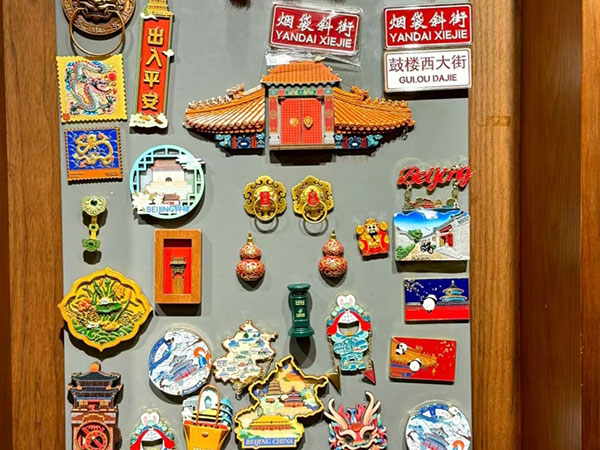
Bookmarks, stationery, magnets, textiles and small replicas can connect directly to a museum collection or local motif. Read the label to distinguish a licensed interpretation from an archaeological replica or mass-produced generic item.
Bracelets and necklaces
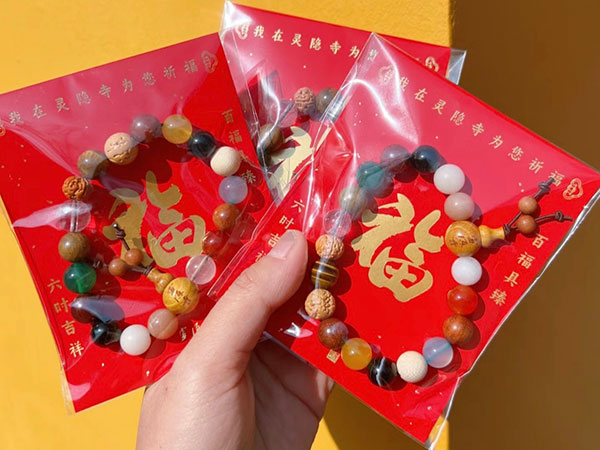
Treat jade, gemstones and precious metals as high-risk purchases when authenticity cannot be independently verified. For a casual souvenir, choose on design and disclosed material rather than future value.
Large wholesale centers such as Yiwu serve trade buyers as well as visitors, but their scale does not guarantee quality. Allow time to compare minimum quantities, shipping terms and export restrictions.
Beijing Museum-inspired stationery, opera motifs, cloisonné-style crafts and packaged pastries can reflect the capital. Verify food expiry dates and avoid unlicensed “antique” claims.
Shanghai Look for design goods linked to the city's architecture, textiles from reputable retailers and practical products from local creative brands.
Xi'an Terracotta Warrior and Tang-themed products are common. Museum shops can explain the source image and scale more clearly than anonymous stalls.
Guilin Landscape prints, fan designs and packaged osmanthus products are portable, but food labeling and customs rules still matter.
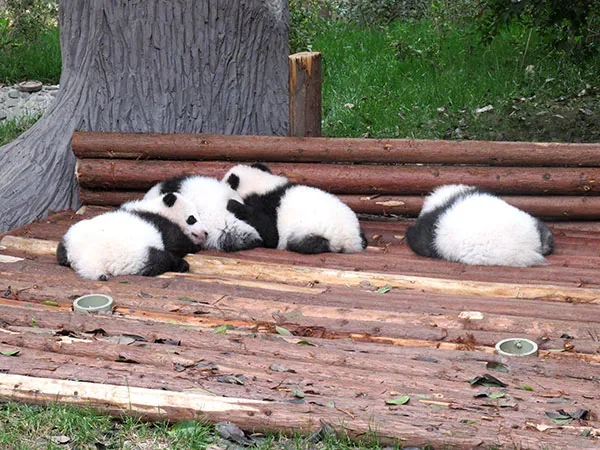
Chengdu Panda-themed goods are widely available; conservation-center or museum shops may provide clearer provenance for branded items.
Chongqing Packaged hotpot seasonings and local snacks travel more easily than fragile décor. Check ingredients, sealing and destination-country import rules.
Yunnan Pu'er tea, regional textiles and flower cakes are popular. Buy tea from a seller willing to explain origin and storage, and check food shelf life.
Hangzhou Longjing tea is strongly associated with Hangzhou, but grading and origin claims require careful comparison. Do not equate a high price with authenticity.
Suzhou Silk and garden-inspired craft design suit the city, provided fiber content and production claims are clearly labeled.
Think Carefully Before an Expensive Purchase
For jade, jewellery, art or alleged antiques, ask for written material details, seller identity and refund terms. Export and destination-country import rules may apply to cultural property, wildlife products, plants and foods.
Photograph the item and receipt before packing it, pay through a traceable method and walk away from pressure. Browse the destination guide first so shopping does not consume time needed for the actual trip.
For shipped purchases, confirm the exact item, insurance, customs declaration and responsibility for damage in writing. A verbal promise is difficult to enforce after leaving China.
Know Where Bargaining Is Appropriate
Fixed-price malls, supermarkets, museums and established boutiques generally are not bargaining settings. Open markets may allow negotiation, but a posted price or clear refusal should be respected.
Set a Walk-Away Price
Compare similar items and decide the maximum based on value to you, not an invented “original” price. Keep the exchange friendly and never damage or conceal merchandise.
Be Willing to Leave Politely
Leaving is a decision tool, not a performance that guarantees a discount. Continue planning with where to go in China and explore regional crafts through Yunnan Tours.

From $ 1599
From $ 22782050

From $ 2686
Editorial accountability
Hu Lei, CEO. The named owner is responsible for travel-planning accuracy and escalation of time-sensitive checks.
Yuntian Travel (Yunnan) Group is identified in its corporate profile as a licensed professional inbound travel service provider based in Kunming, China. Registration and travel-service documents can be requested before booking.
Page-specific references where cited, official destination, transport and entry notices, YUNSKY route-planning records, and direct provider confirmation before a booking is finalized.
Content is reviewed when rules, transport, access, pricing or route conditions change. Final availability and operating details are reconfirmed for each traveler’s dates.
Quality review: Page updated: