Your China & Yunnan Travel Experts


“Panda diplomacy” describes the international symbolism created when China sent giant pandas abroad. The phrase covers several different practices—state gifts, short exhibitions and long-term conservation partnerships—and should not be treated as one unchanged policy. For the species itself, start with the YunSky giant panda guide.
Pandas can create public goodwill, but their movements also involve animal welfare, international wildlife rules, veterinary planning and scientific goals. The timeline below separates three broad periods and avoids assigning a single political motive to every agreement.
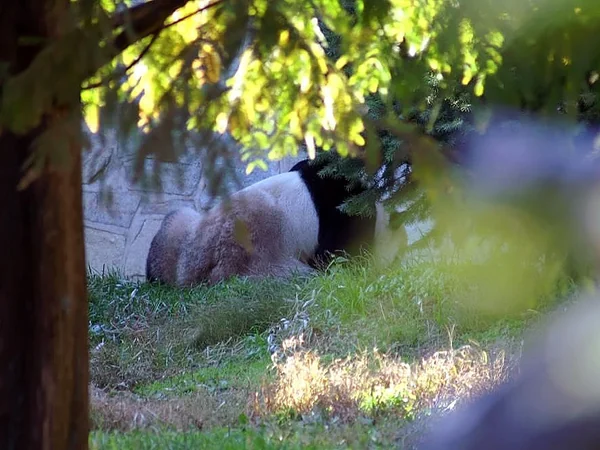
The People's Republic of China presented giant pandas to selected countries during the Cold War. These transfers were permanent gifts arranged through government relations, and they gave overseas publics a rare first encounter with a species then little understood outside China.
The best-known American example followed President Richard Nixon's 1972 visit to China: Ling-Ling and Hsing-Hsing went to the Smithsonian's National Zoo in Washington. Other recipients included the Soviet Union, North Korea, the United Kingdom, France, West Germany, Japan, Spain and Mexico. Historical totals vary depending on whether pairs, individual animals and earlier transfers are counted, so exact numbers should be tied to a named archive.
The animals became high-profile cultural symbols, yet early husbandry and breeding knowledge was limited. Their stories are now useful for interpreting changing zoo standards as well as diplomacy; ceremonial attention did not remove the practical challenges of nutrition, reproduction and long-distance transport.
China ended the modern practice of permanently gifting pandas abroad in the early 1980s. Later arrangements were structured differently, while transfers to Hong Kong and Macao followed their own domestic context.

After permanent gifts stopped, some pandas traveled on short-term exhibition or commercial-loan arrangements. These tours generated intense attendance and revenue but also prompted questions about repeated transport, enclosure quality and whether conservation benefits justified the disturbance.
Pandas shown in the United States around the 1984 Los Angeles Olympics became a prominent example of the touring-exhibition period. Such events brought the species to new audiences without transferring permanent ownership.
The model revealed a tension that still matters in wildlife tourism: popularity can fund education and research, but visitor demand must not dictate animal movement or performance.
Criticism from conservation and animal-welfare groups increased as exhibition programs expanded. International wildlife regulation and better scientific understanding helped shift attention away from spectacle and toward longer-term institutional responsibility.
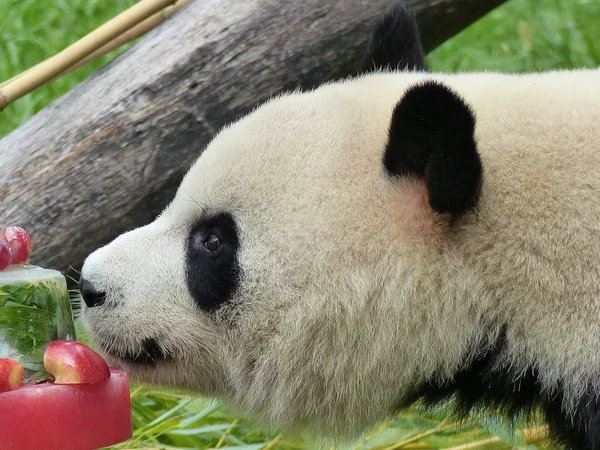
Modern overseas placements are generally described as cooperative research and conservation agreements between Chinese organizations and qualified partner zoos. Terms vary by institution and period, so widely repeated fee figures or standard ten-year durations should not be presented as universal current rules.
Agreements commonly address research, breeding, veterinary care, facility standards, public education and the status of any cubs. They operate within national laws and international wildlife frameworks. Travelers should use current zoo and government announcements for the status of a particular pair rather than old lists.
Scientific capacity and animal welfare are core considerations, while the public timing of an agreement can also carry diplomatic meaning. In China, Chengdu remains central to breeding research and public interpretation; wild-habitat protection is explained separately in our guide to China's panda reserves.
Pandas living abroad today are therefore best understood as participants in time-limited institutional partnerships, not diplomatic gifts. When an agreement ends, animals may return to China and a zoo can temporarily have no pandas. Always verify the current residents and viewing arrangements before planning a trip around them.
From $ 389

From $ 509

From on request
Editorial accountability
Hu Lei, CEO. The named owner is responsible for travel-planning accuracy and escalation of time-sensitive checks.
Yuntian Travel (Yunnan) Group is identified in its corporate profile as a licensed professional inbound travel service provider based in Kunming, China. Registration and travel-service documents can be requested before booking.
Page-specific references where cited, official destination, transport and entry notices, YUNSKY route-planning records, and direct provider confirmation before a booking is finalized.
Content is reviewed when rules, transport, access, pricing or route conditions change. Final availability and operating details are reconfirmed for each traveler’s dates.
Quality review: Page updated: