Your China & Yunnan Travel Experts


China high-speed rail changes how travelers compare distance, time and regional access, but its value depends on the exact corridor and station. This guide separates direct passenger benefits from wider economic, employment, environmental and urban claims, then explains the limits behind each. Continue planning with the China high-speed train guide.
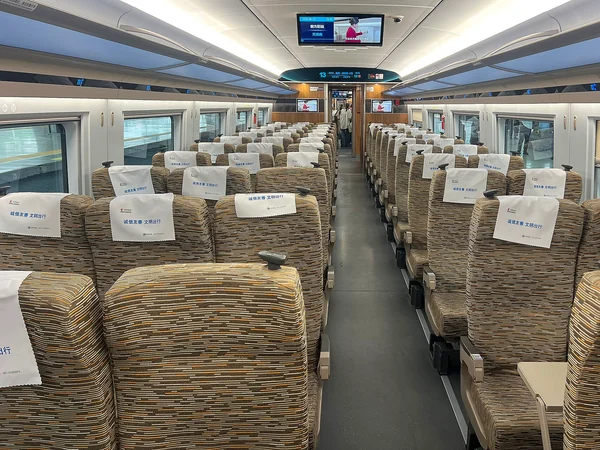
High-speed rail can replace a short flight or a long road transfer on well-connected city pairs. The useful comparison is door to door: include travel to the station, identity and security checks, waiting time, the rail journey and the final transfer. Central or well-connected stations often make rail competitive even when the train itself is not the fastest theoretical option. The benefit is smaller when a destination uses a distant station or requires a difficult connection, so compare exact station names and the current timetable before choosing.
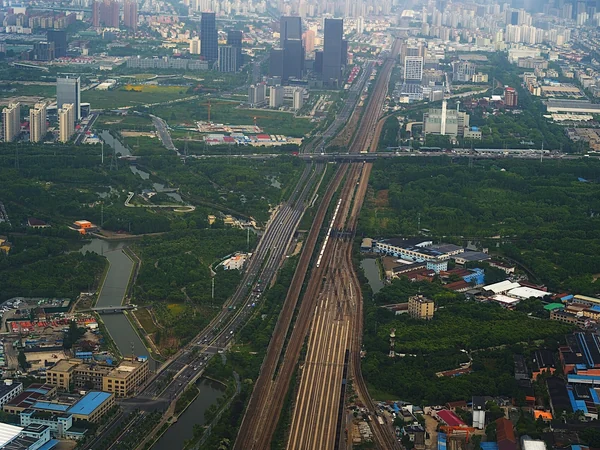
Frequent passenger links can widen access to customers, universities, suppliers and services across a corridor. That does not mean every stop receives the same benefit or that the railway alone creates growth. Station location, local transit, land use and the existing economy all affect the result. For travelers, the practical gain is a larger set of cities that can be combined without an airport day, especially when consecutive destinations lie on one operating corridor.
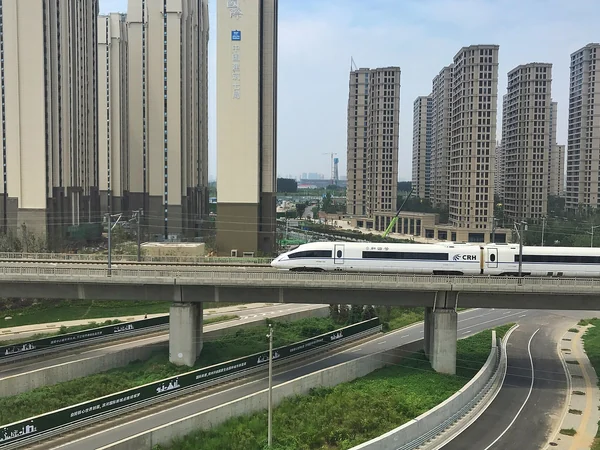
Planning, building and operating a railway supports engineering, manufacturing, maintenance, station services and digital ticketing work. Employment effects change between construction and long-term operation, and headline job totals may use different definitions. A responsible explanation separates temporary building activity from permanent operations and does not assume that every project produces identical local outcomes. Travelers experience the result through staffed stations, maintained infrastructure and coordinated services rather than through an abstract national total. Continue planning with the China transportation guide.
Electric trains can move many passengers efficiently, particularly when services have strong occupancy and electricity comes from a cleaner generation mix. The full environmental picture also includes construction materials, bridges, tunnels, land use and the source of power. Rail should therefore be compared with the actual flight, car or bus journey it replaces, not described as impact-free. Choosing a direct train and using public transport at both ends can reduce additional transfers.
A rail journey usually allows passengers to remain in one cabin, move between some carriage areas and keep essential belongings nearby. Weather can still disrupt operations, seats can sell out and large stations require walking, so comfort depends on the chosen service, class and personal mobility. Families and older travelers should check lift access, station assistance and transfer distance in advance. Carry the identity document used for booking and allow time for the station process.
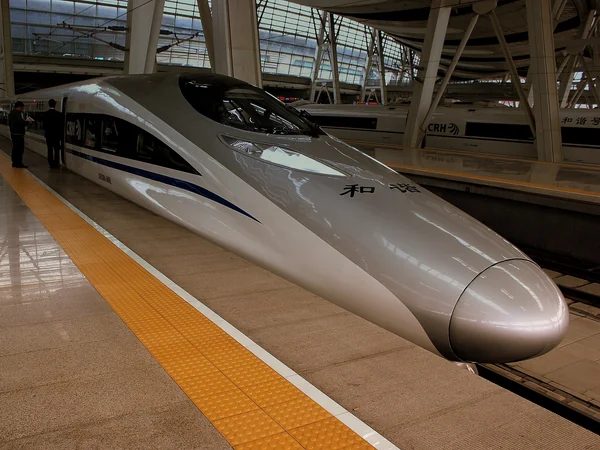
A major station can become a transport and development focus, but a new district is not automatically the historic or commercial center a visitor wants. Some cities have several stations with similar names on opposite sides of the urban area. Confirm the Chinese and English station name, map the onward journey and avoid booking a tight self-transfer between different stations. The strongest traveler benefit comes when rail planning, metro or bus access and the intended neighborhood work together. Continue planning with the high-speed rail history.

From on request

From $ 1613
Editorial accountability
Hu Lei, CEO. The named owner is responsible for travel-planning accuracy and escalation of time-sensitive checks.
Yuntian Travel (Yunnan) Group is identified in its corporate profile as a licensed professional inbound travel service provider based in Kunming, China. Registration and travel-service documents can be requested before booking.
Page-specific references where cited, official destination, transport and entry notices, YUNSKY route-planning records, and direct provider confirmation before a booking is finalized.
Content is reviewed when rules, transport, access, pricing or route conditions change. Final availability and operating details are reconfirmed for each traveler’s dates.
Quality review: Page updated: