Your China & Yunnan Travel Experts


China's high-speed railway emerged through decades of planning, conventional-network speed improvements, dedicated passenger-line construction and operational consolidation. The timeline below distinguishes proposals, engineering milestones and commercial openings so travelers do not confuse a design date with the start of service. Continue planning with the China high-speed rail guide.
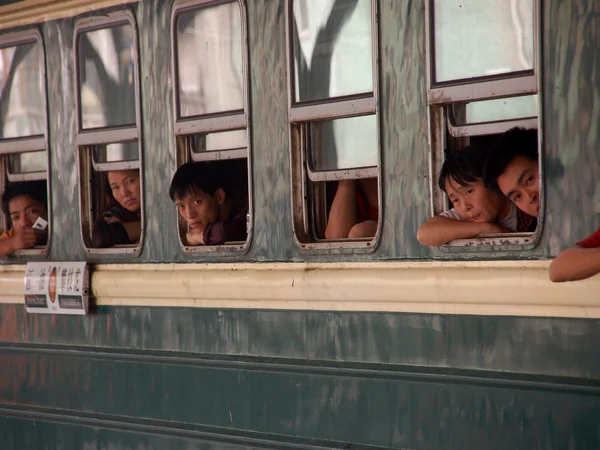
China's high-speed rail story began before the first dedicated services. Railway planners faced rising intercity demand, capacity constraints on mixed passenger-and-freight lines and the need to connect distant regional centers. Early work examined faster conventional services, dedicated passenger corridors, signaling, track standards and suitable train technology. A useful timeline distinguishes the date a route was proposed, the date construction began and the date commercial service opened; those events are often compressed into one misleading milestone.
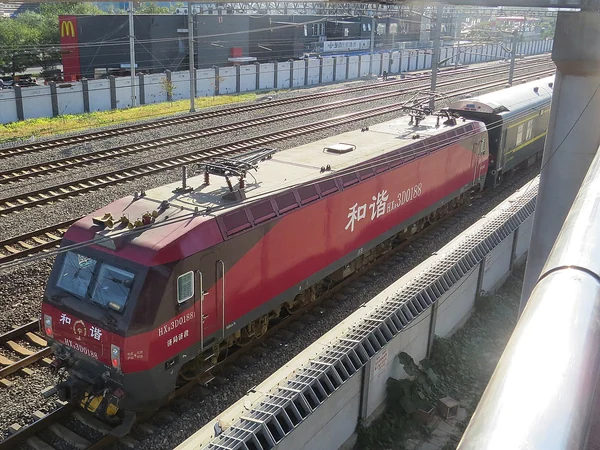
Successive speed-up campaigns on the conventional network improved locomotives, track, signaling, timetables and operating practice. They did not turn every upgraded line into a modern dedicated high-speed railway, but they created technical and organizational experience for faster passenger operation. This stage also showed why separating fast passenger services from busy freight traffic could add capacity and reliability. Historical photographs of conventional locomotives should be read as part of that transition, not as today's high-speed fleet. Continue planning with the benefits of high-speed rail.
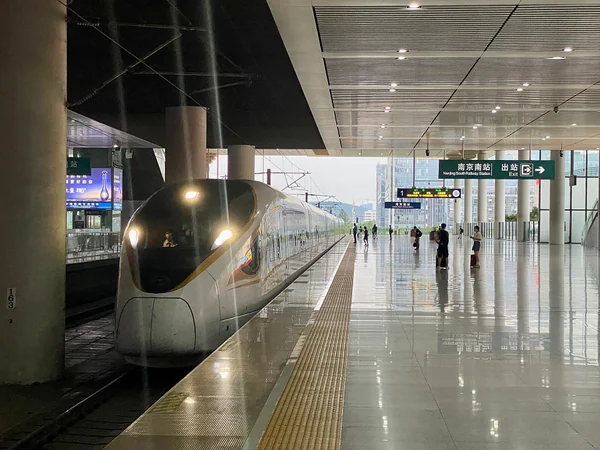
The next stage combined newly built passenger lines, imported and adapted train platforms, domestic manufacturing and large civil-engineering programs. Different routes opened at different design and operating speeds, so a single inauguration date cannot describe the whole network. The Beijing–Tianjin intercity service and later major corridors helped demonstrate frequent electric multiple-unit operation at scale. When comparing sources, check whether they refer to a specific line, a train family or the national network.
Rapid construction was followed by periods of review, technical consolidation and stronger attention to operating safety. Network history should not be told only as a sequence of speed records: signaling, dispatch, maintenance, staff training, disaster response and passenger procedures are equally important. Speed and timetables can also change after a line opens. Travelers should use current schedules rather than historical design figures when calculating a journey.
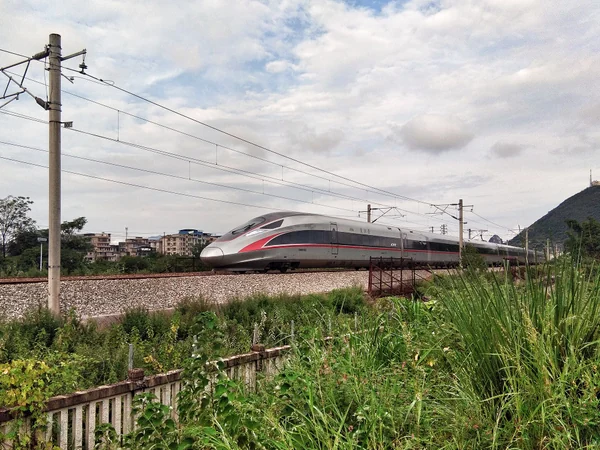
Later development connected more provincial capitals and regional hubs, expanded the Fuxing train family and linked dedicated lines into longer journeys. The national planning framework and the live passenger timetable are still different things: a corridor may contain completed, under-construction and planned segments. For a trip, verify the exact city pair and date in the official booking system. The history explains how the system grew, while the current timetable shows what can actually be used now. Continue planning with the China high-speed rail abroad.

From on request
From $ 1613
Editorial accountability
Hu Lei, CEO. The named owner is responsible for travel-planning accuracy and escalation of time-sensitive checks.
Yuntian Travel (Yunnan) Group is identified in its corporate profile as a licensed professional inbound travel service provider based in Kunming, China. Registration and travel-service documents can be requested before booking.
Page-specific references where cited, official destination, transport and entry notices, YUNSKY route-planning records, and direct provider confirmation before a booking is finalized.
Content is reviewed when rules, transport, access, pricing or route conditions change. Final availability and operating details are reconfirmed for each traveler’s dates.
Quality review: Page updated: