Your China & Yunnan Travel Experts


Reviewed August 28, 2026. A private tour can solve real family constraints, but it is not automatically safer, more authentic or better value. The decision depends on the child's pace, the operator's license, guide credentials, vehicle and restraint arrangements, hotel occupancy, written inclusions and cancellation terms. Compare the service scope with published China family tour examples, then require a proposal built around your family rather than accepting a premium label.
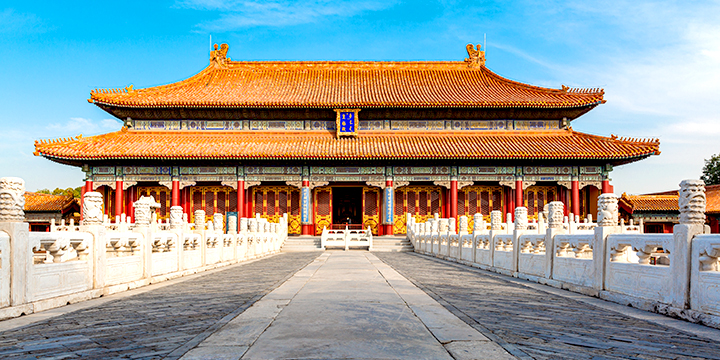
Family visitors crossing a courtyard inside Beijing's Forbidden City
A small private party avoids waiting for unrelated travelers and can shorten a museum, add a toilet stop or return to the hotel when a child is overwhelmed. That control matters for toddlers, multigenerational families, neurodivergent travelers and anyone managing medication or mobility needs. It also makes it easier to place active walking before lunch and a quieter interpretation block afterward. The proposal should quantify the benefit with shorter transfers, a named rest location or an edited attraction route—not simply repeat the word flexible.
Flexibility still has limits: museums use entry windows, trains depart on time, guides and drivers have working hours, restaurants close, and a late start can invalidate prepaid tickets. Ask the operator which parts can move on the day, who approves changes, and whether unused admissions are refundable.

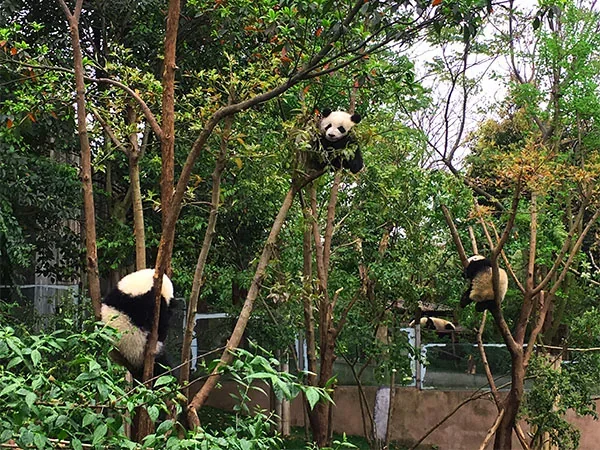
Giant panda resting in a managed habitat at a Chengdu panda base
A useful private itinerary states hotel departure, realistic transfer, walking load, meal window, toilet access and the latest sensible finish. It should include one protected recovery block and name the stop that will be removed first if the child tires. ‘At your own pace' without times is not a plan. Ask for door-to-door timing rather than drive time alone, because security, parking, shuttle buses, elevators and long entrances add effort. For every day, label the essential stop, optional stop and indoor fallback so the responsible adult can make a quick decision without renegotiating the whole package.
Ask for alternatives triggered by heat, rain, poor air, attraction closure or illness. A responsible operator will explain which tickets are identity-linked or non-refundable and will not promise entry beyond the venue's rules. Keep one adult authorized to make same-day decisions.
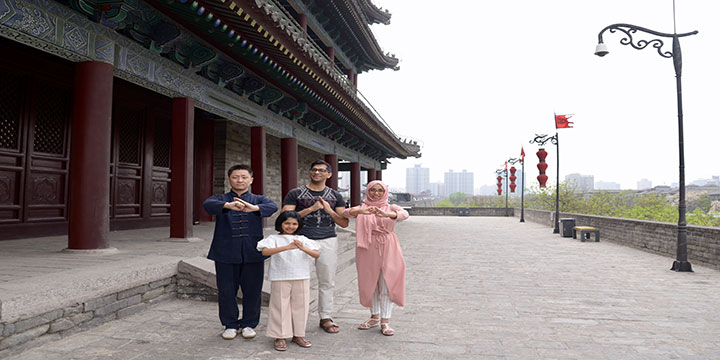
Family cycling option on the broad, exposed top of Xi'an City Wall
Before routing, provide children's ages and measured heights, walking tolerance, stroller or wheelchair needs, nap and meal pattern, allergies, medical considerations, language, sensory triggers and the three experiences the family values most. The operator should show how those facts changed the plan. A serious intake also asks about stairs, uneven paving, darkness, loud performance sound, animal interest, previous long-haul travel and whether adults can split temporarily. Do not send unnecessary medical or passport data at the quotation stage; share only what is needed through an accountable channel.
Good customization often removes content: a shorter Great Wall section, one palace gallery, no late show after an early train, or separate activity blocks for a teenager and preschooler with responsible adults. More attractions are not higher quality. Request step-free entrances and toilets by exact venue, not by a general accessibility claim. If an attraction has timed entry, cableway, boat or shuttle dependence, the plan should state whether those services are included and what happens when wind, maintenance or crowd control stops them.
A private guide can translate preferences, reserve a restaurant and help ask about ingredients, but cannot guarantee an allergen-free kitchen or make every cuisine available near every attraction. Share a bilingual allergy or dietary card before arrival and ask about peanuts, sesame, shellfish, dairy, egg, wheat, pork and shared oil as relevant. Ask the operator to identify who communicates the restriction to each restaurant and what backup exists when the kitchen cannot meet it. A buffet is not automatically safer because utensils and surfaces can be shared.
Require the itinerary to identify included meals, budget, drinks, child portions and who pays when the family changes restaurants. Keep a familiar snack and emergency medication accessible. For severe allergy or medical diets, obtain clinical advice and a response plan instead of relying on the phrase ‘the guide will handle it.'
A guide supports navigation, translation and local coordination; the guide is not a replacement parent, medical professional or sole childcare provider. Adults remain responsible for supervision, water, road and crowd safety. Build a separate family protocol using the China travel safety guide, and confirm the operator's emergency contact and incident process in writing. Ask where the nearest appropriate clinic is on remote days, how language support is reached after guide hours, and whether itinerary changes caused by illness are covered, charged or non-refundable.
State who carries passports and medicine, who supervises each child in crowds, who can consent to treatment, and what happens if the group separates. Ask whether the guide and driver are insured for the booked service and whether high-risk activities are excluded from the package or policy. Save the agency's 24-hour contact, hotel address and insurance assistance number offline. A guide holding tickets or leading the route does not remove the need for adults to count children before every vehicle departure.
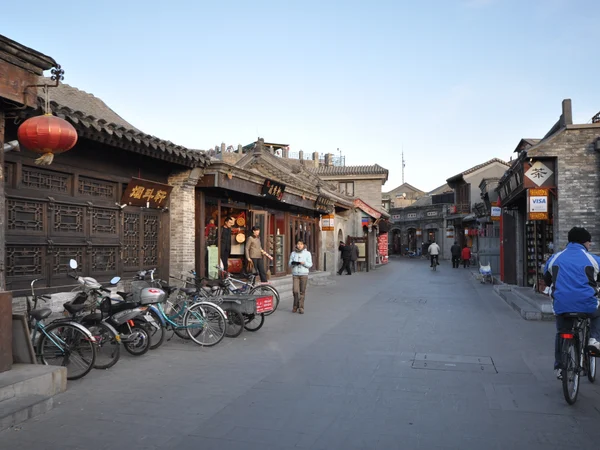
Residential lane and courtyard entrances in a Beijing hutong
A travel consultant can shortlist hotels, but ‘family-friendly' is not a room type or legal occupancy rule. Before payment, obtain the exact property, room category, number and width of beds, maximum adult and child occupancy, breakfast count, extra-bed or crib status, connecting-door guarantee and cancellation terms. Compare that confirmation with the voucher after issuance; a photograph of two beds does not prove size or occupancy. If rooms are not guaranteed to connect, decide which adult sleeps with which child before booking and reject an arrangement that would leave a minor alone.
Also confirm lifts, step-free access, refrigerator use for medicine, quiet-room request, pool supervision, laundry, late arrival and the distance from the actual hotel entrance to transport. A request is not guaranteed until the hotel confirms it. Keep the confirmation accessible offline at check-in.
Request the licensed transport provider, vehicle class, legal passenger capacity, seat-belt availability, luggage capacity, insurance and driver working plan. If a child restraint is needed, specify the child's age, height and weight and obtain the restraint type, installation responsibility and confirmation—'available on request' is not enough. Ask for a dated photograph or model description when the restraint is important, inspect its condition and installation before departure, and refuse unsafe substitutions. Confirm airport pickup meeting procedure, vehicle-change rules, rest stops and who pays for excess waiting. Never place luggage where it blocks an exit or use a moving vehicle without available restraints.
China's Tourism Law requires package contracts to identify the itinerary, transport, accommodation, meals, services, fees, liability and dispute handling. Ask for the travel agency's legal name and license information, the guide's credential arrangements and the responsible emergency contact. Match the legal contracting entity, payment recipient and voucher issuer; unexplained differences are a reason to pause. Read unilateral-change, force-majeure, complaint, refund and jurisdiction clauses, and keep the signed version plus receipts. For age-appropriate Beijing planning context, compare Beijing places with kids before accepting a generic capital itinerary.
A good guide explains evidence and uncertainty, obtains consent before entering homes or photographing residents, respects worship and community life, and distinguishes optional shopping from cultural learning. Refuse undisclosed commission stops, coerced purchases, wildlife contact or a ‘local family visit' without clear host consent and scope.

Family walking on the Great Wall at Mutianyu near Beijing
The booking record should state who secures passport-linked attraction and rail tickets, when documents are collected or deleted, what happens if a name is wrong, and who holds the confirmations. Do not send passport images through an unverified personal account merely because the itinerary is private.
Independent travel may be better for experienced families staying in one transit-friendly city; a reputable small group can reduce cost when its fixed pace truly matches the children. A private service is strongest for complex mobility, language, dietary, multigenerational or multi-city logistics—not as a status purchase. Compare like with like: add ticket fees, transfers, guide hours, hotel category, meals, child pricing, tips, cancellation and payment charges. A lower quote may omit rail delivery, airport waiting, admission or a suitable vehicle; a higher quote is not proof that those details are better.
Private guided days : useful for one complex city or excursion while the family keeps simpler days independent. Full private itinerary : useful when several cities, transfers or access needs require one accountable coordinator. Before paying, compare total price and exclusions, request the signed contract, verify the operator and current attraction rules, and test every day against the youngest traveler's sleep, food, walking and safety limits. Make the operator answer a final acceptance list: exact hotels and room occupancy; train or flight class; licensed vehicle and restraints; guide language and hours; included admissions and meals; passport-data handling; emergency contact; shopping stops; cancellation and refund deadlines. Record any promised change in the contract or written amendment, not only a chat message. The best private plan is auditable, removable and honest about what it cannot guarantee.
From $ 509
From on request
From on request
Editorial accountability
Hu Lei, CEO. The named owner is responsible for travel-planning accuracy and escalation of time-sensitive checks.
Yuntian Travel (Yunnan) Group is identified in its corporate profile as a licensed professional inbound travel service provider based in Kunming, China. Registration and travel-service documents can be requested before booking.
Page-specific references where cited, official destination, transport and entry notices, YUNSKY route-planning records, and direct provider confirmation before a booking is finalized.
Content is reviewed when rules, transport, access, pricing or route conditions change. Final availability and operating details are reconfirmed for each traveler’s dates.
Quality review: Page updated: