Your China & Yunnan Travel Experts


China's national Regulations on the Protection of the Great Wall provide a dedicated legal framework for conserving walls, passes, beacon towers, watchtowers and related remains. They apply to officially identified Great Wall components, including remote earthworks that may not resemble a tourist attraction. This page is a practical summary rather than legal advice. For the broader planning context, see the current condition of the Great Wall.
The monument cannot be protected as one enclosed museum. It crosses multiple provinces, landscapes and jurisdictions, so the framework combines overall national protection with management by local governments. A section may be a ticketed scenic area, a closed conservation zone or a fragile rural remain. Public visibility does not mean public access.
The regulation was adopted by the State Council in 2006 and took effect on 1 December 2006. It emphasizes scientific planning, preservation of original condition and coordinated management. Provincial rules, conservation plans, temporary closures and scenic-area notices may add current requirements. Check the authority responsible for the exact section before travel.
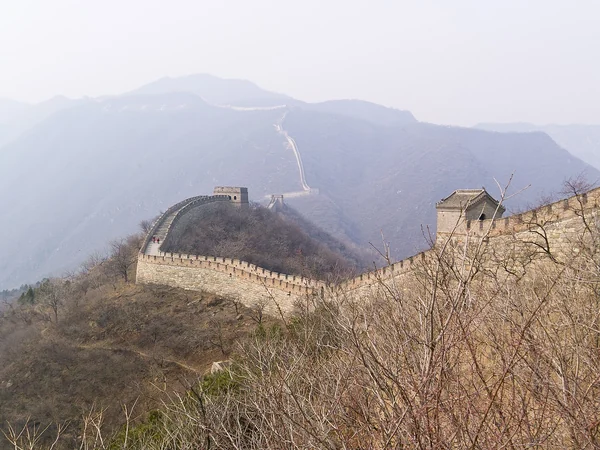
The central rule is simple: do not remove, alter, cross, build on or organize activities around Great Wall remains in ways that may damage them. Managed sections publish their own visitor instructions; unopened stretches require particular caution. The Great Wall travel tips page can help translate this principle into route planning.
1. Do not take bricks, stones, rammed earth or other material as souvenirs.
2. Do not cultivate crops or dig into the wall body, foundations or protected setting.
3. Do not carve names, paint graffiti, paste notices or otherwise mark original fabric.
4. Do not remove inscriptions, architectural pieces or archaeological objects.
5. Do not install poles, cables, signs, fixtures or equipment without authorization.
6. Do not drive or force a vehicle across the wall where no authorized crossing exists.
7. Do not carry out actions with tools, fire or equipment that could damage the monument.
8. Do not organize visits or events on sections that have not been opened to the public.
9. Do not disturb associated forts, passes, beacon towers, watchtowers or buried remains.
10. Tourism operations should use assessed, lawfully opened areas and approved routes.
11. Scenic-area managers must respect published visitor-capacity and safety controls.
12. Commercial use does not remove the operator's conservation responsibilities.
13. Conservation is not permission to create a new imitation wall over historic remains.
14. Construction near protected remains requires the applicable heritage review and approval.
A practical visitor checklist
1. Use marked entrances, paths and legal crossings.
2. Carry all litter out or use designated bins.
3. Keep tripods, poles and bags from scraping masonry or blocking narrow stairs.
4. Never climb parapets, towers or closures for a photograph.
5. Avoid smoking, flames and activities that add fire risk.
6. Treat an “unrestored” section as fragile heritage, not an unrestricted adventure route.
7. Follow temporary controls for weather, repairs, crowding and wildfire prevention.
Enforcement and penalties depend on the conduct, damage, responsible party and applicable law. Old online fine tables may be incomplete or out of date, so do not rely on a travel article for a definitive penalty amount.
Protection also means respecting setting and authenticity. Repair should retain historic material and evidence rather than making every wall look newly built.
Anyone who causes damage may face orders to stop, restoration or compensation obligations, administrative penalties and, where relevant, further legal responsibility.
For travelers, the safest decision is to choose a managed section appropriate to the group, obey local notices and leave every material in place. Compare lawful options in recommended Great Wall sections. Rules and access can change, so confirm them for the date of travel.
From $ 389

From $ 509

From on request
Editorial accountability
Hu Lei, CEO. The named owner is responsible for travel-planning accuracy and escalation of time-sensitive checks.
Yuntian Travel (Yunnan) Group is identified in its corporate profile as a licensed professional inbound travel service provider based in Kunming, China. Registration and travel-service documents can be requested before booking.
Page-specific references where cited, official destination, transport and entry notices, YUNSKY route-planning records, and direct provider confirmation before a booking is finalized.
Content is reviewed when rules, transport, access, pricing or route conditions change. Final availability and operating details are reconfirmed for each traveler’s dates.
Quality review: Page updated: