Your China & Yunnan Travel Experts


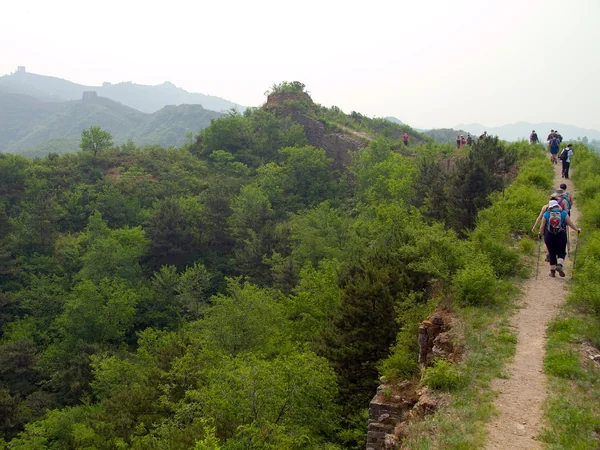
The World Heritage property includes walls, passes, forts, beacon towers, shelters and related routes built or rebuilt over many centuries. Some areas retain strong visual and structural integrity; others are fragmentary. “Unrestored” does not mean abandoned or available for unrestricted hiking. It often means original fabric has not been reconstructed and may be especially vulnerable. The Great Wall protection regulations apply beyond famous ticketed sites.
Published surveys have reported losses in particular dynasties or regions, but figures are frequently repeated without scope, date or method. Conservation status changes as new sections are catalogued and repaired. Travelers should use such numbers only with their original survey context, not as a current total for the entire Great Wall. The most useful distinction is between gradual natural decay, direct human damage and planned conservation intervention.
Rain, wind, freeze–thaw cycles, temperature change, vegetation, shifting soil and slope movement affect sections differently. A masonry wall on a humid mountain ridge faces different processes from a compacted-earth wall beside a desert. Remote locations make routine inspection and emergency stabilization difficult. This explains why the visible condition can change sharply within one province.
Rammed earth is durable when its surface and drainage remain stable, but repeated water entry, wind abrasion and livestock or foot traffic can round its profile and detach layers. Brick and stone sections also deteriorate when mortar washes out, water freezes in joints or vegetation opens cracks. The separate Great Wall travel tips guide explains why weather and legal access should be checked together.
Climate-related risk should be discussed by place rather than with a universal countdown. Storms, flooding, desertification and severe weather have all appeared in heritage assessments, but their effects depend on exposure and material.
Conservation is not the same as cosmetic rebuilding. Stabilization, drainage, documentation and limited replacement may protect original evidence more effectively than making a ruin look new. Poorly judged intervention can obscure historical fabric, while no intervention may allow an unstable section to collapse; professional assessment is therefore essential.
Removing bricks or soil, graffiti, unauthorized vehicle crossings, construction, unregulated events and heavy use of fragile paths can accelerate damage. Even well-meaning visitors cause wear when they leave marked routes, climb parapets or crowd a weak tower. Choose a managed route if the group needs firm surfaces or mobility support; the guide to more accessible Great Wall sections explains the trade-offs.
China's 2006 regulation established overall protection with local management, supported by cultural-relic law and conservation plans. Current work includes surveys, monitoring, structural safety and protection of historic character. Visitors can help by using lawful access, following closures, leaving materials untouched and avoiding unsupported route advice. Conditions and local rules may change after storms, repairs or seasonal fire controls, so confirm them shortly before departure.
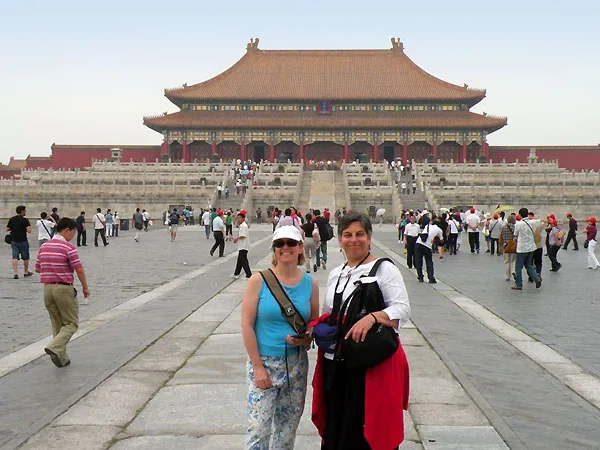
From $ 389
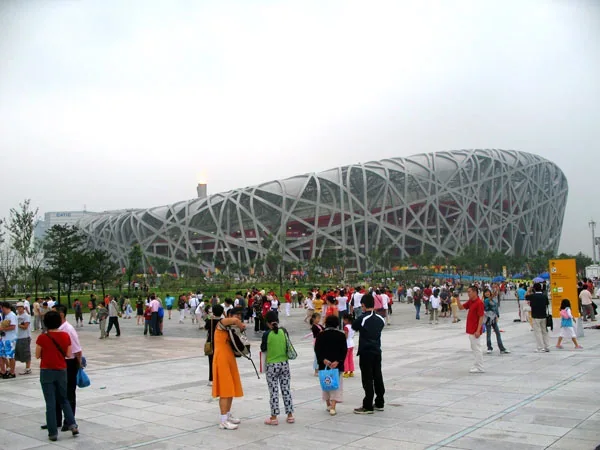
From $ 509
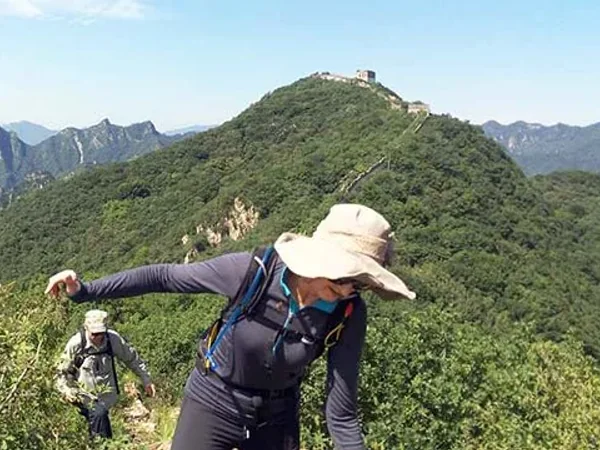
From on request
Editorial accountability
Hu Lei, CEO. The named owner is responsible for travel-planning accuracy and escalation of time-sensitive checks.
Yuntian Travel (Yunnan) Group is identified in its corporate profile as a licensed professional inbound travel service provider based in Kunming, China. Registration and travel-service documents can be requested before booking.
Page-specific references where cited, official destination, transport and entry notices, YUNSKY route-planning records, and direct provider confirmation before a booking is finalized.
Content is reviewed when rules, transport, access, pricing or route conditions change. Final availability and operating details are reconfirmed for each traveler’s dates.
Quality review: Page updated: