Your China & Yunnan Travel Experts


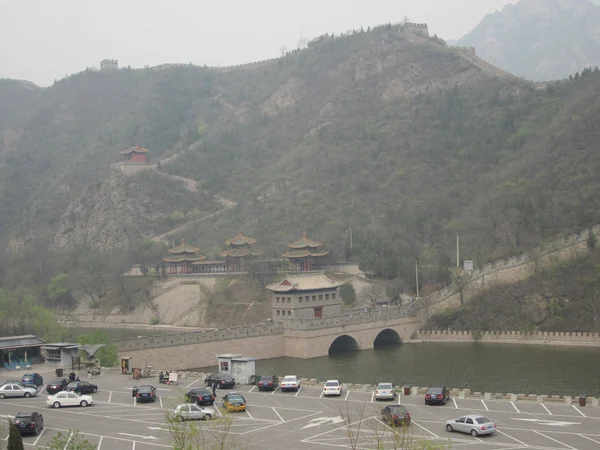
The Great Wall also supported observation and communication. Smoke, fire, flags, lanterns or messengers could warn nearby commands, although signal practices varied by period and region. A wall without patrols and responding troops was not a complete defense.
Passes controlled the places where people, animals and goods could cross most easily. That gave the state opportunities to inspect movement, regulate access and protect roads. Border regions were also zones of trade, diplomacy, migration and cultural exchange, so the Wall should not be described as a perfect seal between two isolated civilizations. Compare different gateways in the Great Wall passes guide.
The system sometimes failed. Armies bypassed weak sectors, broke gates, negotiated passage or exploited political division. Its value lay in changing the cost and speed of movement, improving warning and concentrating defense at strategic terrain—not in making invasion impossible. Over time the Great Wall acquired meanings beyond its original military functions, preserving evidence of engineering, administration, labor, conflict and contact across northern China.
From $ 389

From $ 509

From on request
Editorial accountability
Hu Lei, CEO. The named owner is responsible for travel-planning accuracy and escalation of time-sensitive checks.
Yuntian Travel (Yunnan) Group is identified in its corporate profile as a licensed professional inbound travel service provider based in Kunming, China. Registration and travel-service documents can be requested before booking.
Page-specific references where cited, official destination, transport and entry notices, YUNSKY route-planning records, and direct provider confirmation before a booking is finalized.
Content is reviewed when rules, transport, access, pricing or route conditions change. Final availability and operating details are reconfirmed for each traveler’s dates.
Quality review: Page updated: