Your China & Yunnan Travel Experts


The familiar brick walls near Beijing are mainly associated with major Ming sectors, but long western and early sections are earthworks. Material choice depended on terrain, geology, available fuel, transport, military priorities and date. Understanding this variety makes it easier to recognize why one ruin looks like a mountain ridge while another has crenellated masonry. The Great Wall origins guide introduces the earlier construction traditions.
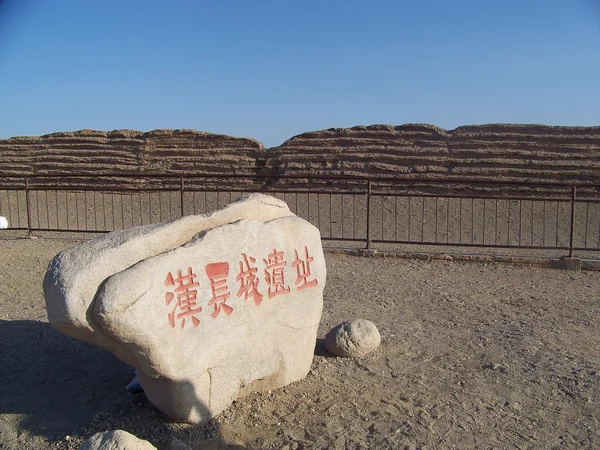
Early state walls commonly used rammed earth: layers of prepared soil were placed between temporary forms and compacted. Builders could mix in gravel or use rough stone where rock was abundant. Natural ridges, riverbanks and ditches reduced the amount of artificial wall required. Archaeology, not color or shape alone, is needed to date a surviving bank because later dynasties often reused the same corridor. Qin reorganization after 221 BCE linked and extended selected northern defenses, but did not turn every line into brick. Many attributed remains are low, eroded earthworks in northern regions. Claims that one material or standardized design covered the entire Qin frontier are not supported.
Han builders extended defenses into dry northwestern landscapes. In some areas, compacted layers incorporated reeds, brushwood or tamarisk between soil and gravel, helping the structure hold together where suitable stone and timber were scarce. The Han Dynasty Great Wall article explains how these works supported routes, beacon sites and garrisons. Later regimes repaired older earthworks, added stone in mountain zones and used timber for gates or roofs, so “pre-Ming” still covers many local methods.
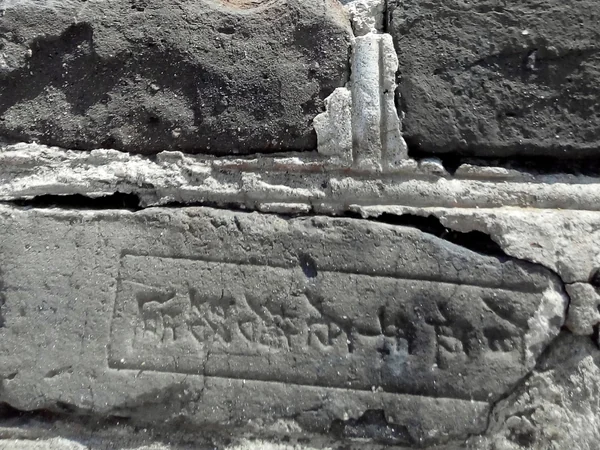
Ming construction also varied. Remote sectors could remain earthen, while strategically important passes and eastern mountain lines received cut-stone foundations, rubble or earth cores, fired-brick facing, parapets, drainage and tiled tower roofs. Brick production required kilns, fuel, labor and transport; it was not automatically practical everywhere. Stronger masonry also supported increasingly complex gates, towers and positions adapted to firearms. Material supply was a logistical system rather than a single workshop. Garrisons and construction units organized quarrying, brick firing, timber delivery, lime preparation, water and food. Inscriptions on some bricks can identify production units or quality control, but one inscription should not be generalized to the whole Wall.
The material diversity of the Great Wall records adaptation to China's different landscapes. It also explains conservation needs. Rain and foot traffic can be especially destructive to exposed earth layers, while water in masonry joints can loosen brick and stone. Visitors should never test a wall, remove fragments or assume an earthen mound is expendable. Its less dramatic appearance may preserve older evidence than a heavily restored scenic section.
From $ 389
From $ 509

From on request
Editorial accountability
Hu Lei, CEO. The named owner is responsible for travel-planning accuracy and escalation of time-sensitive checks.
Yuntian Travel (Yunnan) Group is identified in its corporate profile as a licensed professional inbound travel service provider based in Kunming, China. Registration and travel-service documents can be requested before booking.
Page-specific references where cited, official destination, transport and entry notices, YUNSKY route-planning records, and direct provider confirmation before a booking is finalized.
Content is reviewed when rules, transport, access, pricing or route conditions change. Final availability and operating details are reconfirmed for each traveler’s dates.
Quality review: Page updated: