Your China & Yunnan Travel Experts


During the Spring and Autumn period, Zhou authority weakened and regional states competed for land, routes and security. Some states strengthened passes, capital areas and exposed borders. Written records and archaeological surveys associate early long walls with states including Qi and Chu, but “first Great Wall” claims depend on how researchers define a great wall and date the remains.
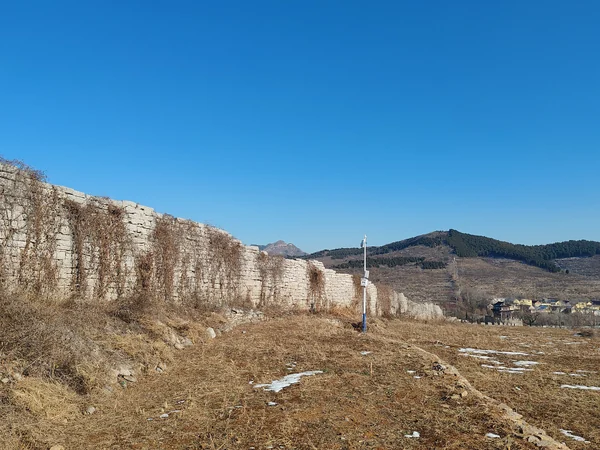
By the Warring States period, larger armies and sharper territorial competition encouraged longer defensive systems. Qin, Zhao, Yan, Wei and other states built walls for different fronts. Some faced rival agricultural states; others addressed northern corridors. For a state-by-state comparison, see the Warring States Great Wall guide.
Economic and military change mattered, but walls did not replace diplomacy, cavalry, forts or garrisons. A barrier was effective only when linked to roads, observation, supply and troops. This wider system is more historically accurate than the image of an unattended wall stretching across the entire north.
A fortified capital wall and a long frontier wall solved different problems. Large cities such as Linzi, Handan and the Yan capital had substantial enclosures, yet those urban defenses should not automatically be counted as parts of the transregional Great Wall.
Longer state walls followed rivers, plains and mountain edges where terrain could strengthen defense. Routes proposed by modern surveys remain incomplete because later farming, building and erosion have removed sections.
After 221 BCE, Qin Shi Huang ordered northern defenses reorganized. The popular phrase “he built the Great Wall” compresses a more complex process of linking and extending earlier works. The chronology is treated separately in when the Great Wall was built.
The origin of the Great Wall is therefore a process: settlement defense supplied techniques; regional states created long barriers; and successive empires converted selected lines into frontier systems. It also carried large human and material costs that surviving sources cannot quantify with modern precision. Travelers should read low earthworks, passes and masonry walls as evidence from different periods. The companion guide on why the Great Wall was built explains how purpose also changed with place and dynasty.
From $ 389

From $ 509

From on request
Editorial accountability
Hu Lei, CEO. The named owner is responsible for travel-planning accuracy and escalation of time-sensitive checks.
Yuntian Travel (Yunnan) Group is identified in its corporate profile as a licensed professional inbound travel service provider based in Kunming, China. Registration and travel-service documents can be requested before booking.
Page-specific references where cited, official destination, transport and entry notices, YUNSKY route-planning records, and direct provider confirmation before a booking is finalized.
Content is reviewed when rules, transport, access, pricing or route conditions change. Final availability and operating details are reconfirmed for each traveler’s dates.
Quality review: Page updated: