The phrase
earliest Great Wall does not identify one surviving monument with an undisputed completion date. Defensive walls developed gradually among competing states during the
Warring States period and had precedents in the
Spring and Autumn period . Archaeology and transmitted histories point to several regional wall systems, but dating individual eroded earthworks can be difficult. It is more accurate to speak of early walls in the plural than to assign the entire tradition to a single ruler.
States including Qi, Chu, Qin, Zhao, Wei and Yan built barriers for different frontiers and rivals. These works were not all on the northern line associated with later maps. Many used locally available soil compacted in layers between temporary frames, sometimes combined with stone, ditches or natural terrain.
After Qin unified the rival states in 221 BCE, the imperial government linked, extended or reorganized selected northern defenses. Qin Shi Huang did not create every earlier wall, and the Qin system was not the brick battlement seen today near Beijing. Its main strategic concerns included frontier control and threats from northern confederations.
• Mark and manage a changing northern frontier rather than a modern national border.
• Support troops, patrols and communication across difficult landscapes.
• Connect selected earlier defenses while abandoning others that no longer matched imperial strategy.
The Great Wall in Qin Shi Huang's Reign
Qin projects followed unification in the late third century BCE, but exact construction sequences and total mileage vary by source and by the definition of “wall.” Qin Shi Huang mobilized soldiers, laborers and convicts within a demanding imperial system. Travelers should avoid treating legendary labor totals or a single completion year as settled archaeological facts.
Logistics shaped every section. Builders could not move the same standardized material across deserts, loess plateaus and mountains, so methods adapted to the ground and supplies available nearby:
• Stone was used where suitable rock could be quarried and carried locally.
• Earth, gravel, reeds and other regional materials were compacted in layers where masonry was impractical.
Ancient distance units and later reconstructions make simple modern mileage claims unreliable. A broad
Great Wall history overview is the better context for comparing Qin, Han and Ming phases.
Structure of the Great Wall in Its Original Form
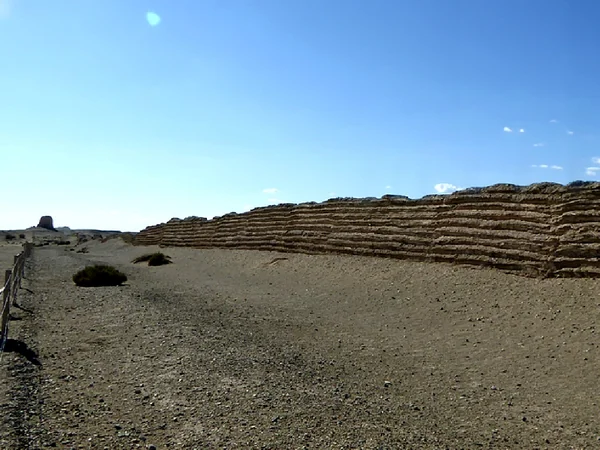
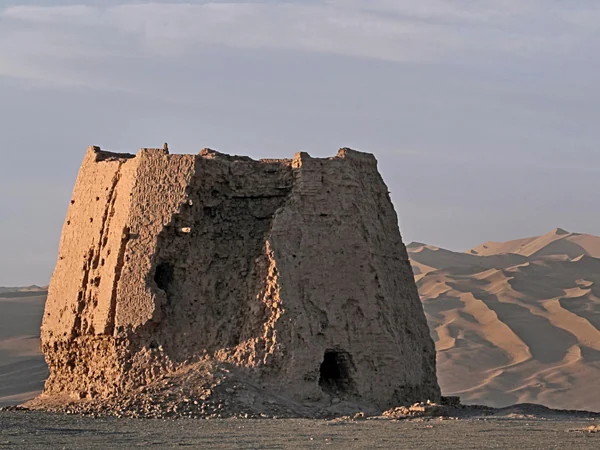
No single “original form” applies across all regions. Early structures were often low, thick compacted-earth barriers integrated with ridges, trenches, passes and beacon sites. Erosion can leave them looking like natural banks, especially where wind and rain have removed their outer profile.
• Materials reflected local geology and climate rather than a universal brick-and-stone specification.
• Height and width varied widely; modern dimensions from restored Ming sites should not be projected backward onto Qin remains.
• Towers and garrisons formed part of wider defense networks, but their spacing and design changed by period and terrain.
The Significance of the Original Great Wall of China
Early walls show how states organized labor, controlled routes and responded to mobile frontier warfare. Their importance was never constant: dynasties expanded, contracted, negotiated and used different defensive priorities. For visitors, the key distinction is between fragile early earthworks and the later masonry sections open for tourism. Never climb, cut or remove material from an unstaffed ruin; access and conservation rules should be confirmed locally.