Your China & Yunnan Travel Experts


How long is the Great Wall of China? The most widely cited official total is 21,196.18 kilometres (13,170.7 miles), but that number does not describe one continuous walkway. It combines Great Wall resources from different periods and regions.
The measurement question is difficult because states and dynasties built, rebuilt, reused and abandoned separate frontier systems across mountains, deserts and grasslands. New documentation can refine the inventory without turning the Wall into a single uninterrupted line. A useful answer must state both the number and what was counted.
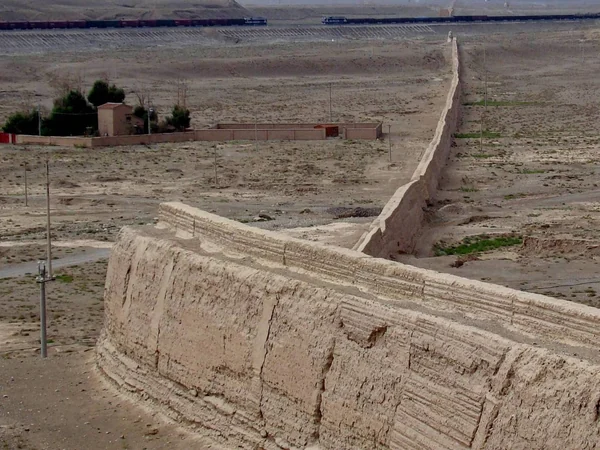
The Great Wall is a network, not one wall , and named tourist sections are only a small part of it. Historians group remains by period, geography, construction program or modern scenic area, so there is no single permanent count of “sections.” The broader system includes walls, trenches, natural barriers, passes, beacon sites and related structures. Read the origin of the Great Wall to understand how regional defenses preceded imperial unification. The Chinese name Wanli Changcheng
uses “ten thousand li” as an expression of immense extent rather than a survey result that converts neatly into a fixed modern distance. Different historical lines overlap, diverge and disappear, which is why adding visible masonry on a tourist map cannot reproduce the official total.
China's State Administration of Cultural Heritage announced the 21,196.18-kilometre figure in 2012 after a multi-year national survey. The reported scope covers Great Wall remains from multiple dynasties. The official total includes more than standing walls and therefore should not be compared directly with a driving route or hiking distance. Survey teams used field investigation, mapping and earlier records to identify surviving and documented resources.
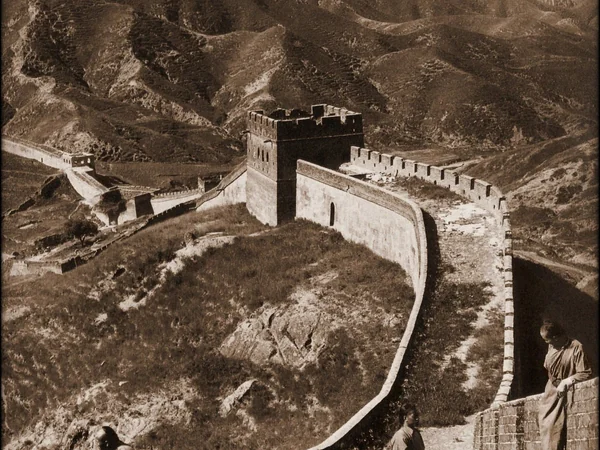
The Great Wall protection guide explains why recording damaged and non-open remains matters even when travelers cannot visit them. A large total does not mean every kilometre is equally visible or preserved. Some traces are eroded earthworks, some are isolated structures, and others follow natural terrain used as part of a defense line.
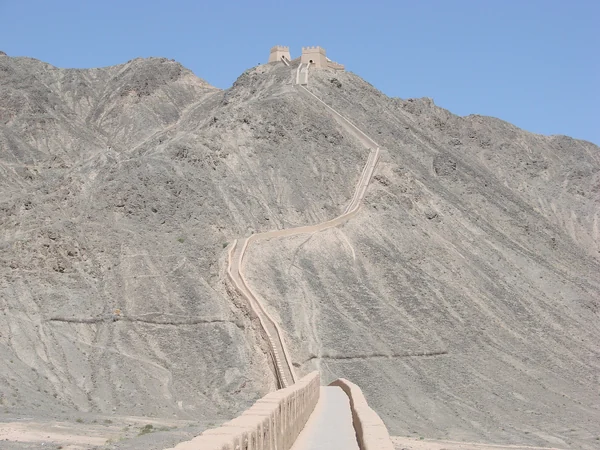
For the Ming Great Wall, modern summaries commonly describe an eastern end around Hushan in Liaoning and a western end at Jiayuguan Pass in the Gobi landscape of Gansu Province . That east–west description is useful for the Ming system but should not be applied automatically to every earlier wall. Other dynasties built farther north, south or west, and some regional walls had entirely different orientations.
A map therefore needs a dynasty label before its first and last points can be interpreted accurately. Historical scope determines the endpoint more than a single modern sign or coastal photograph. Beijing contains famous restored Ming sections, but their visitor mileage is not a shortcut for calculating the national network.
The Ming Great Wall survey total is approximately 8,854.8 kilometres. This figure covers wall, trenches and natural defensive features associated with the Ming system, not only brick battlements. The Ming line is the source of many familiar towers near Beijing , but materials and preservation vary greatly across provinces. Rammed earth, stone, brick, trenches and natural barriers can all belong to the measured Ming defense system.
Earlier Qin, Han and Warring States defenses require their own archaeological definitions; unsupported claims that one dynasty built tens or hundreds of thousands of kilometres should not be repeated as settled fact.
Length also changes as a conservation question. Erosion, construction pressure and unauthorized removal can make a recorded feature harder to recognize, even though the historical survey record remains important. Visitors can help by using open routes, leaving fragments in place and following barriers.
One Day Mutianyu Great Wall & Forbidden City Tour
Mutianyu Great Wall, Forbidden City

From $ 389

From $ 509

From on request
Editorial accountability
Hu Lei, CEO. The named owner is responsible for travel-planning accuracy and escalation of time-sensitive checks.
Yuntian Travel (Yunnan) Group is identified in its corporate profile as a licensed professional inbound travel service provider based in Kunming, China. Registration and travel-service documents can be requested before booking.
Page-specific references where cited, official destination, transport and entry notices, YUNSKY route-planning records, and direct provider confirmation before a booking is finalized.
Content is reviewed when rules, transport, access, pricing or route conditions change. Final availability and operating details are reconfirmed for each traveler’s dates.
Quality review: Page updated: