Your China & Yunnan Travel Experts


Reviewed August 27, 2026. The best things to do in China for travelers from Southeast Asia depend on interests, time, season and ability—not a generic regional profile. The eight experiences below combine heritage, landscape, food, family history and modern transport. Before booking, confirm visa or transit eligibility with China's National Immigration Administration, reserve timed attractions through current official channels and check transport on the operator's own site. A China high-speed train can connect several bases efficiently, but station transfers and passport-based ticketing still require planning.
UNESCO describes the Great Wall as a vast military structure built and rebuilt across long periods, not one continuous tourist walkway. Use the Great Wall guide to compare restored Mutianyu or Badaling with hiking-oriented Jinshanling and other sections. Choose by restoration level, crowd tolerance, transport, weather and walking ability; cable cars reduce ascent but do not remove all slopes, stairs or queues.
Treat the wall as protected heritage. Stay on authorized routes, do not remove bricks or carve surfaces, carry out waste and avoid closed or unrestored sections without qualified local support. A clear morning, layered clothing and tested footwear matter more than reaching the highest tower. One carefully interpreted section is more valuable than racing through several.

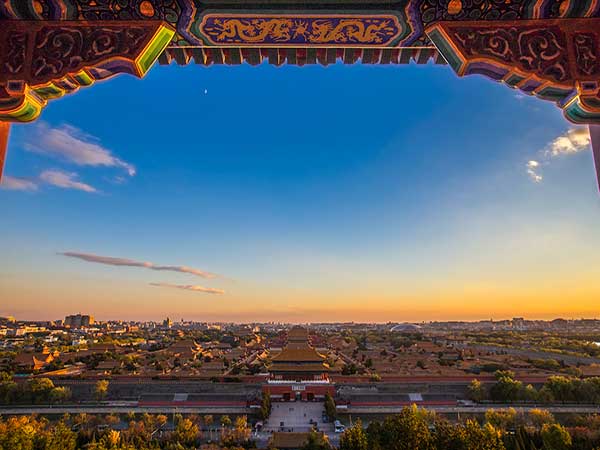
The Palace Museum is too large to understand as a sequence of red gates. Build a route around governance, court ritual, domestic life, architecture or a selected collection. Reserve through current official channels, carry the passport used for booking and verify the permitted entrance and exit. Security, crowds and long courtyards mean a focused half-day often produces better understanding than an exhausting checklist.
Pair the central axis with one side palace or exhibition and use captions, an audio guide or a knowledgeable interpreter to distinguish evidence from legend. Do not touch structures, cross barriers or photograph where prohibited. Jingshan Park can provide an overview but involves an uphill walk; it is an optional second experience rather than part of the museum itself.
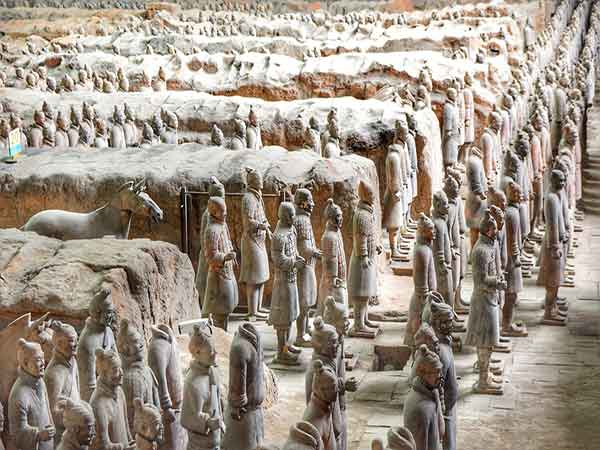
The Terracotta warriors were created for the mausoleum complex of Qin Shihuang, but the museum presents excavated pits, fragments, reconstructed figures and ongoing conservation—not an untouched underground army. A good guide explains workshop organization, variation among figures and what remains uncertain. Allow time for the journey from Xi'an, security and substantial walking between viewing areas.
Prioritize the pits that answer your questions instead of chasing one famous photograph. Avoid claims that a modern replica workshop is part of the excavation. Buying a legal souvenir is different from acquiring an antiquity; do not purchase objects represented as excavated relics. Keep another major Xi'an sight off the same afternoon if the museum is the trip's historical priority.
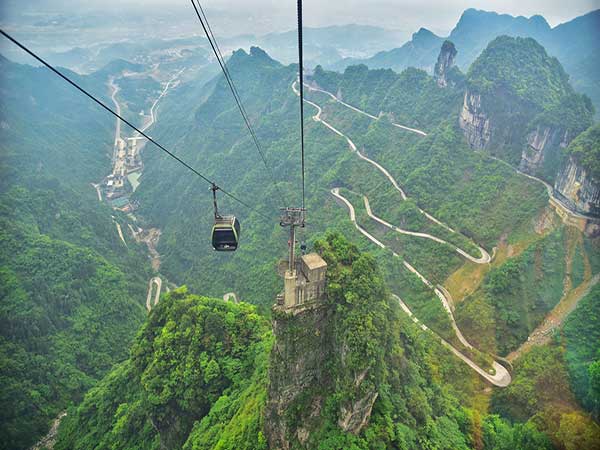
Wulingyuan's sandstone pillars, ravines and forests are a UNESCO-listed natural landscape with several scenic zones. Film comparisons may attract visitors, but they should not replace the site's geology, ecology and local history. Cable cars, shuttles and the Bailong Elevator link viewpoints; they also create queues and do not eliminate walking, weather exposure or steep approaches.
Stay at least three nights if the landscape is central, begin early and keep routes flexible for cloud, rain or maintenance. Use marked paths, keep distance from wildlife and do not enter closed areas for a photograph. Tianmen Mountain, Zhangjiajie National Forest Park and the Grand Canyon are separate operations; confirm tickets and transfer time instead of treating them as one attraction.
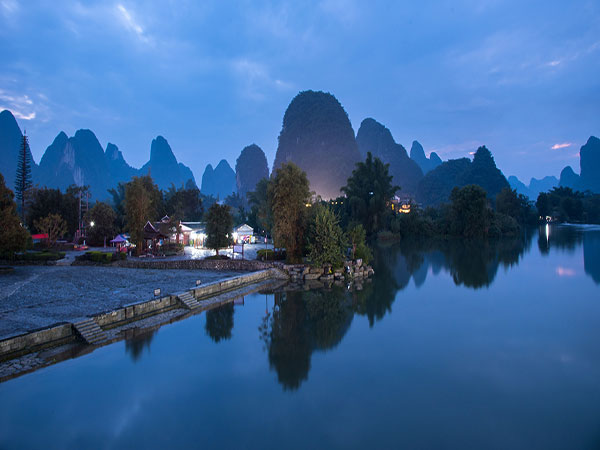
A Li River cruise shows an extended limestone landscape, while Yangshuo's countryside reveals farming, villages and tributaries at a slower scale. Choose a boat class only after checking boarding, seating, deck access, lunch and the return from Yangshuo. River level and weather can change the experience. A Yulong River raft, bicycle route and cave visit have different safety and access requirements.
Avoid describing rural residents as scenery. Use locally led walks, obtain permission before photographing people or homes and stay on public routes. Three to five nights allow one river day, one countryside day and an alternative for heavy rain. The goal is not to reproduce a social-media frame but to understand how water, limestone and settlement shape the region.
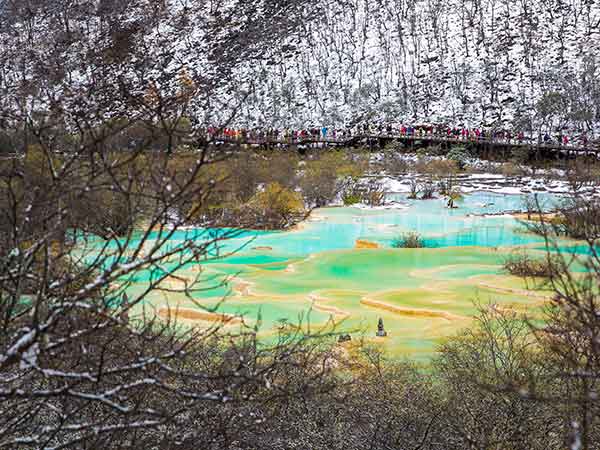
Huanglong, Jiuzhaigou, Mount Siguniang and routes farther west offer very different elevations and road journeys. Colorful pools and snow peaks are not a single day trip from Chengdu. CDC's 2026 Yellow Book advises gradual acclimatization for high-altitude travel; fitness does not prevent altitude illness. Review sleeping elevations, ascent rate and emergency options with a qualified clinician before committing.
If high altitude or long mountain roads do not fit, Chengdu museums, parks and the China giant panda guide offer a meaningful lower-altitude alternative. Panda experiences should emphasize observation and conservation education, never a guaranteed close encounter. For any mountain trip, keep contingency days, follow site closures and turn back when symptoms or weather make continuing unsafe.
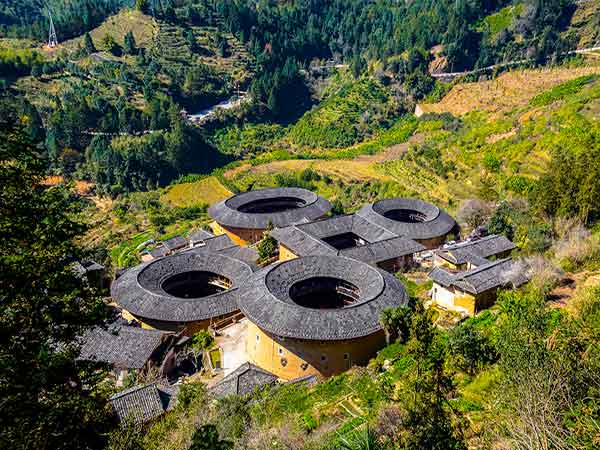
UNESCO's Fujian Tulou property covers 46 nominated buildings created across centuries in south-west Fujian. Circular and square forms supported communal residence and defence, but “all tulou are Hakka” or “everyone lived identically” are oversimplifications. Choose one cluster, learn which communities built and use it, and distinguish a living residence from a staged commercial stop.
A tulou excursion from Xiamen can involve several hours of road travel, village lanes and stairs. Ask where visitor fees go, follow household photography rules and do not enter private rooms without invitation. Compare rammed-earth construction, water management, clan organization and the surrounding farmed landscape rather than reducing the visit to an aerial shape.
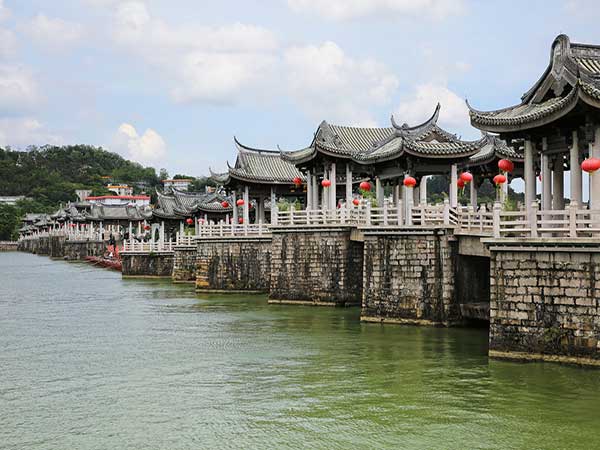
For some travelers, a hometown visit matters more than any landmark. Begin with evidence: Chinese characters for ancestral names, former county or village names, clan records, letters, grave inscriptions and migration dates. Administrative boundaries and romanization may have changed. A local archive, association, relative or experienced researcher may help, but no guide can guarantee that a family connection will be proven.
Build consent and privacy into the plan. Contact relatives before arriving, ask before photographing homes, ancestral halls or ceremonies and avoid publishing personal records without permission. Use verified transport between Guangdong and Fujian rather than assuming neighboring provinces mean a short transfer. A successful visit may produce context and relationships rather than a definitive family tree.
From $ 3061
From $ 1568
From $ 1136
Editorial accountability
Hu Lei, CEO. The named owner is responsible for travel-planning accuracy and escalation of time-sensitive checks.
Yuntian Travel (Yunnan) Group is identified in its corporate profile as a licensed professional inbound travel service provider based in Kunming, China. Registration and travel-service documents can be requested before booking.
Page-specific references where cited, official destination, transport and entry notices, YUNSKY route-planning records, and direct provider confirmation before a booking is finalized.
Content is reviewed when rules, transport, access, pricing or route conditions change. Final availability and operating details are reconfirmed for each traveler’s dates.
Quality review: Page updated: