Your China & Yunnan Travel Experts


Reviewed August 27, 2026. Eating well in China is less about finding one national menu than learning how regional cuisines, shared-table customs, dietary needs and food-safety decisions fit together. This guide is written for travelers from Southeast Asia without treating the region as one culture or palate. Use the Chinese cuisine guide to explore regional traditions, then confirm ingredients, preparation and current restaurant information directly. Prices, menus and opening hours change; allergies and religious requirements always need a specific conversation rather than an assumption.
Many Chinese meals place several dishes in the center for the table to share. Chopsticks are common, but asking politely for a spoon or fork is entirely reasonable; noodle shops, hotel restaurants and larger city venues often have alternatives. Use serving chopsticks or a serving spoon when provided, and avoid moving food from your personal chopsticks to another guest's bowl. Do not stand chopsticks upright in rice, point with them or tap the bowl. For hot pot, use separate utensils for raw and cooked items so the meal remains both sociable and hygienic.
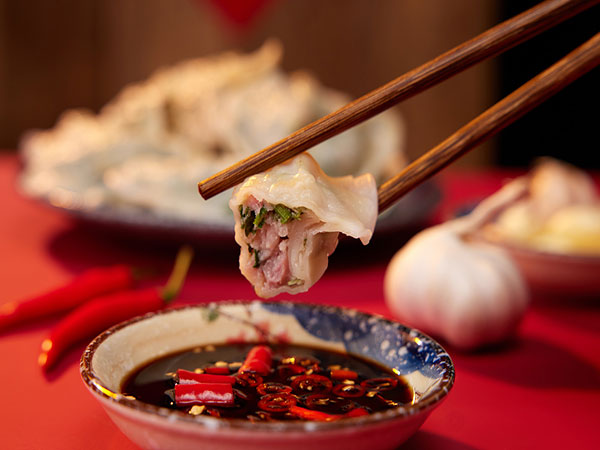
Sichuan, Chongqing, Hunan, Guizhou, Jiangxi and parts of Yunnan all use chile, yet their food is not interchangeable. Sichuan cooking may layer dried chile with the citrus-like numbing sensation of Sichuan pepper; Hunan dishes often emphasize fresh or pickled chile; Guizhou is known for sour-and-spicy combinations. Ask “slightly spicy” or request the chile on the side, but remember that a stock, sauce or pre-marinated ingredient may already be seasoned. A mild dish at one restaurant may still be hot at another.
Hot pot: Choose the broth deliberately: a divided pot can combine a chile broth with a non-spicy broth, although shared steam and utensils mean it is not an allergy-safe separation. Order a modest first round, note that thin meat and leafy vegetables cook at different speeds, and keep raw-food tools away from the eating bowl. Sesame paste, garlic oil and fermented sauces differ by city. Ask staff to identify unfamiliar ingredients and cook meat, seafood, mushrooms and offal thoroughly.
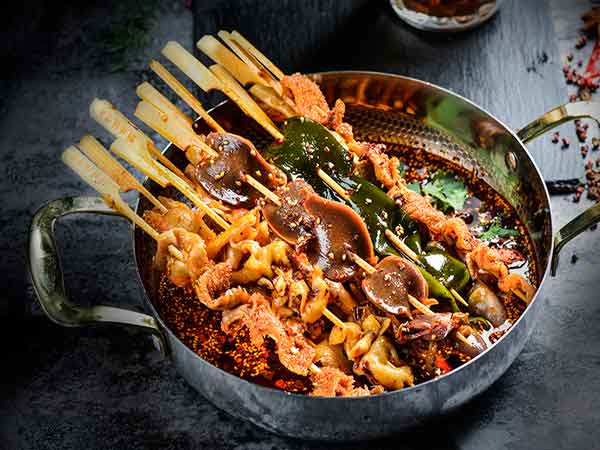
Malatang and dry pot: At malatang counters, diners select ingredients that are cooked in a seasoned broth; dry pot stir-fries a chosen mix with aromatics and chile. Confirm how price is calculated, whether ingredients are weighed together, and which items are already marinated. Choose a busy, clean shop, keep raw and cooked foods separate and request freshly cooked food served hot. These formats are convenient for customizing vegetables and proteins, but cross-contact makes them unsuitable for anyone who needs a guaranteed allergen-free kitchen.
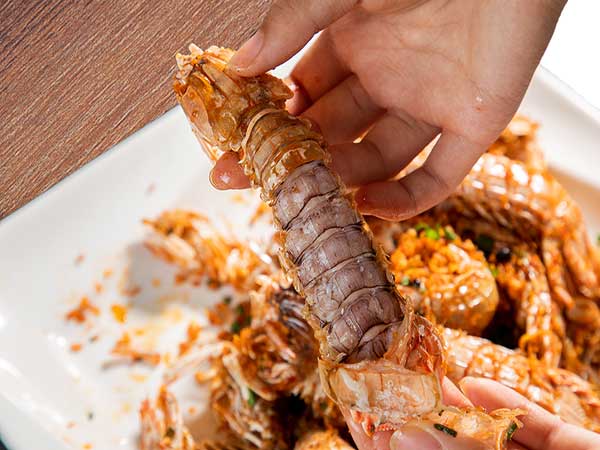
Coastal destinations such as Qingdao, Xiamen, Chaozhou, Shantou, Haikou and Sanya have strong seafood traditions, but “fresh” is not a safety guarantee. Ask for the species, unit price and total weight before cooking; clarify whether a preparation fee is separate. CDC's 2026 Yellow Book advises travelers in China to avoid raw or undercooked fish and shellfish. Prefer seafood cooked through and served hot, and be cautious with display tanks, buffet trays or market-to-restaurant services when storage and handling are unclear. People with shellfish allergy should carry a translated allergy card and still discuss sauces, stock and shared woks.
Cantonese, Jiangsu, Zhejiang and parts of Fujian cooking offer many steamed, braised and soup-based dishes, but “light” does not automatically mean low in sodium, oil or sugar. Ask for sauce separately, less salt or no added chile when possible. Congee, steamed fish, blanched greens, clear soup and plain rice can build a balanced order. Travelers managing diabetes, kidney disease or another medical diet should follow individualized clinical advice rather than relying on a cuisine label.
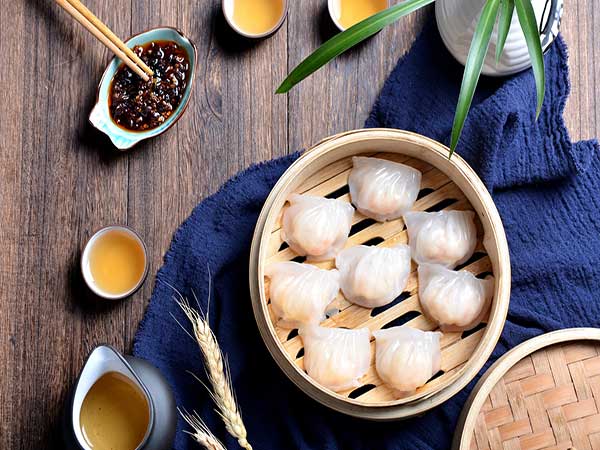
Cantonese dim sum and morning tea: Morning tea is a social meal built around tea and small dishes such as shrimp dumplings, rice-noodle rolls, steamed buns, turnip cake and braised items. Order in rounds so food arrives hot and waste stays low. Shrimp dumplings contain shellfish; buns and pastries may contain lard, dairy, egg, peanuts or sesame; rice-noodle rolls can use soy-based sauces. Pointing at a trolley is convenient, but a written menu and ingredient question are safer when dietary restrictions matter.
Chaoshan beef hot pot: Chaoshan-style beef hot pot highlights freshly sliced cuts, beef balls, vegetables and a clear broth, often with satay-style dipping sauce. Cuts have different textures and short cooking times, so let staff explain the sequence. Beef balls may contain starch or other seasonings, while sauces can include peanuts, sesame, soy or seafood ingredients. The experience is best approached as a regional food tradition, not evidence that every family in Guangdong eats the same way.
Beef and lamb are prominent in Xinjiang, Ningxia, Gansu, Qinghai, Inner Mongolia and many northern cities, but religious practice and restaurant certification cannot be inferred from a dish name. Travelers who require halal food should review the halal food guide for China, look for current local information and ask about meat sourcing, cooking wine, pork-derived stock and shared equipment. “No pork” is not the same as halal. In Muslim-run restaurants, follow house customs respectfully and avoid bringing outside food or alcohol without permission.
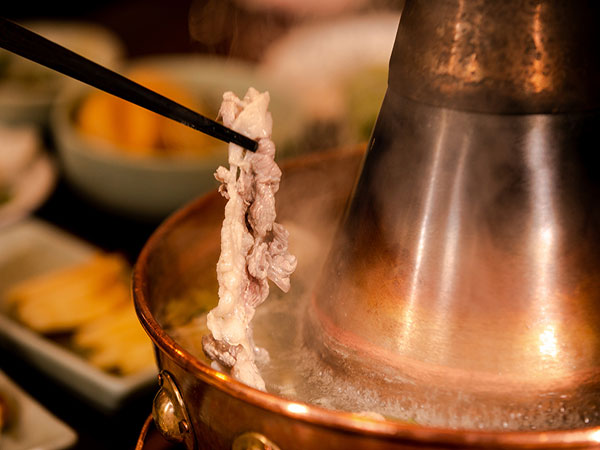
Beijing copper-pot lamb: Thin lamb slices are briefly cooked in a copper pot and commonly eaten with sesame paste, fermented tofu, chive-flower sauce and aromatics. Order vegetables, tofu and a staple alongside the meat; add small batches so the broth returns to a safe simmer. Ask whether the broth or sauce contains ingredients relevant to an allergy or religious diet. Quality depends on the individual restaurant, not merely on a famous name or tourist street, so check a current menu and recent operating information.
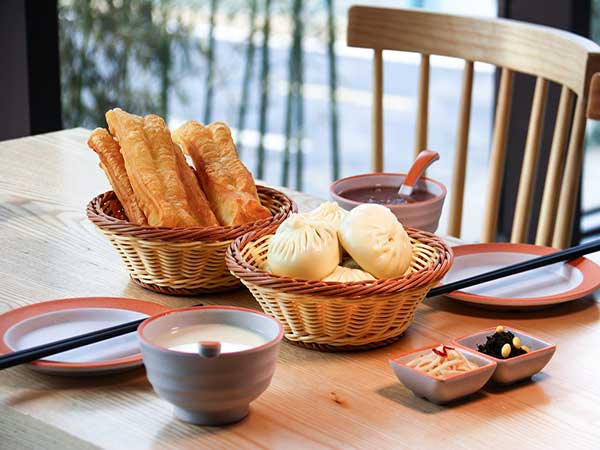
Breakfast varies by place and household. Soy milk, youtiao, steamed buns and congee are common in many cities, while Shanghai has rice rolls and scallion pancakes, Guangdong has dim sum, Wuhan has hot dry noodles, Xi'an has wheat-based snacks, and Yunnan and Guangxi have distinctive rice noodles. A hotel buffet is useful on an early departure, but a neighborhood shop can reveal more about local routine if language, hygiene and timing are manageable.
For a balanced order, combine one staple with egg, tofu, meat or unsweetened soy milk and add fruit later when safe to wash or peel. Youtiao and savory fillings can be oily or salty; sweet soy milk and bottled tea may contain more sugar than expected. Wonton and noodle broths can include pork, shellfish, sesame or peanuts even when the visible topping does not. Ask before ordering rather than guessing from appearance.
Choose a busy stall or shop where food is cooked continuously and served hot. WHO's Five Keys to Safer Food emphasize cleanliness, separation of raw and cooked items, thorough cooking, safe temperatures and safe water or raw materials. Use factory-sealed or adequately treated water where safety is uncertain, and follow current clinical guidance for personal health risks.
Read the Chinese dining culture guide before a banquet or family visit. At an ordinary meal, ask how many people each dish serves, order fewer dishes first and add more only if needed. Photograph or save a bilingual card for allergies, vegetarian needs and foods you avoid, but recognize that translation cannot guarantee zero cross-contact. Confirm whether rice or tea is included, whether seafood is priced by weight and which payment methods work. Keep cash or a second payment method as backup, and request an itemized bill when a market display or seasonal price is involved.
Plan one regional specialty and one flexible meal per day rather than chasing a checklist. Record allergies, medical diets, religious requirements and preferred spice level before the trip; share them with the guide and restaurant again at the table. Favor locally run venues that explain ingredients honestly, avoid claims of miraculous health benefits, and do not pressure hosts to perform a simplified “authentic” culture. A valuable food trip leaves room for curiosity, safety, modest portions and the people who cook the meal.
From $ 3061

From $ 1568

From $ 1136
Editorial accountability
Hu Lei, CEO. The named owner is responsible for travel-planning accuracy and escalation of time-sensitive checks.
Yuntian Travel (Yunnan) Group is identified in its corporate profile as a licensed professional inbound travel service provider based in Kunming, China. Registration and travel-service documents can be requested before booking.
Page-specific references where cited, official destination, transport and entry notices, YUNSKY route-planning records, and direct provider confirmation before a booking is finalized.
Content is reviewed when rules, transport, access, pricing or route conditions change. Final availability and operating details are reconfirmed for each traveler’s dates.
Quality review: Page updated: