Your China & Yunnan Travel Experts


Reviewed August 27, 2026. A useful China itinerary for travelers from Southeast Asia should be selected by interests, flight gateways, season, altitude tolerance and available days—not by a regional stereotype or an outdated blanket “15-day” entry assumption. Confirm the stay permitted for your passport and entry route with the National Immigration Administration or responsible Chinese mission. The routes below preserve the original page's destination choices while adding realistic transfer, pacing and suitability guidance.
For fewer than seven days, choose one geographic cluster. With eight to ten days, use one province or two well-connected bases. Travelers focused on China's headline history may prefer Beijing and Xi'an; travelers seeking karst scenery can build around Guilin; family-history travel may center on Guangdong or Fujian. A good route includes recovery time after the international flight and avoids a major intercity transfer every day.
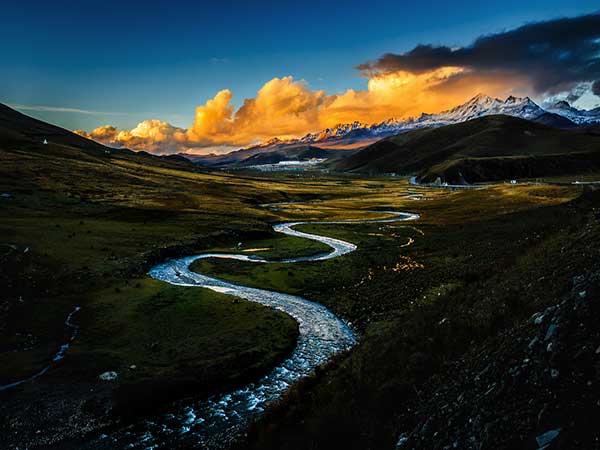
Route option: Six-day western Sichuan scenery and Tibetan cultural landscapes
A six-day Kangding–Litang–Daocheng Yading route is visually rewarding but demanding. Long road transfers and rapidly increasing sleeping elevations make it unsuitable as an automatic first choice. Travelers should review the day-by-day altitude profile, weather, road conditions and medical suitability before booking; physical fitness does not prevent altitude illness. Add Chengdu nights before or after rather than flying in and immediately pushing upward.
Mugecuo near Kangding combines highland lakes, forest and mountain views; Litang offers a different landscape and living Tibetan culture; Daocheng Yading requires shuttle transfers and substantial walking. Use locally qualified operators, respect monasteries and communities, ask before photographing people, and do not describe residents as scenery. If symptoms such as worsening headache, nausea, dizziness or breathlessness develop at altitude, stop ascending and seek appropriate help.
Route option: Six days in Guangzhou, Chaozhou and Shantou
This lower-altitude cluster works well for food, urban history and family connections. Use Guangzhou as the international gateway, then take the train east for Chaozhou and Shantou. Do not schedule the airport arrival and a fixed intercity departure too tightly; immigration, baggage and the transfer to a railway station can consume several hours.
In Guangzhou, choose one museum or historic district, one neighborhood food experience and a Pearl River or skyline evening rather than crossing the metropolis repeatedly. Canton Tower is a modern landmark, but opening, weather and timed-entry arrangements should be checked through current official channels.
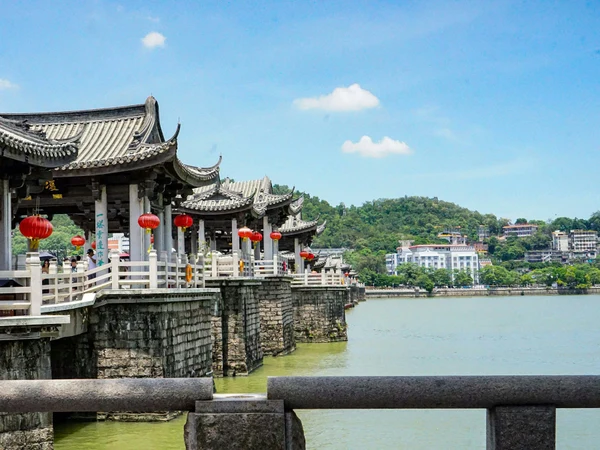
In Chaozhou, pair the old city with Guangji Gate, Kaiyuan Temple and the real Guangji Bridge shown beside this route. The bridge's operating configuration and visiting arrangements can vary, so verify them locally. Walk residential lanes quietly, respect worshippers and seek permission before photographing private homes or ancestral spaces.
In Shantou, explore the historic small-park district and Chaoshan food traditions. Beef hot pot, oyster omelet and tea can be meaningful cultural entry points, but ask about ingredients and shared preparation when allergies or religious requirements matter. A family-history visit needs Chinese-character names, former village details and prior contact; it cannot be guaranteed by a generic sightseeing tour.
Route option: Five days in Zhangjiajie and Fenghuang
This route combines Wulingyuan's sandstone landscape with the riverfront old town of Fenghuang. Zhangjiajie is often marketed with “Avatar” comparisons, but travelers should understand it as a protected natural landscape rather than claim that the film was shot there. Weather can hide viewpoints and queues can change the day, so keep the mountain plan flexible.
In Zhangjiajie , spend two full days across carefully chosen scenic zones instead of collecting every cable car, elevator and glass attraction. The Bailong Elevator is one transport link within Wulingyuan; the Grand Canyon Glass Bridge and Tianmen Mountain are separate operations. Confirm tickets, transfers and walking demands, stay on marked paths and keep distance from wildlife.
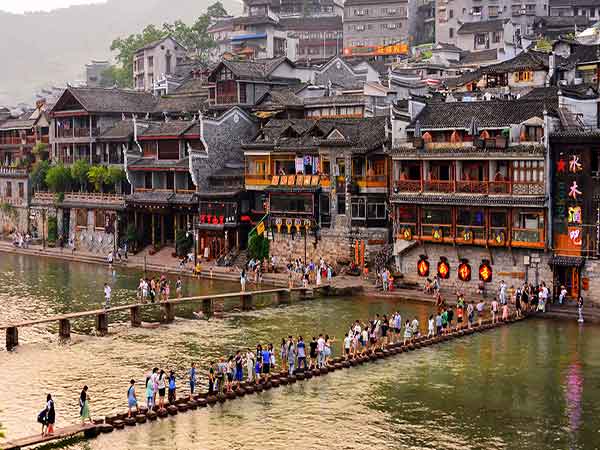
At Fenghuang , one overnight stay allows an evening walk and a quieter morning. Read the town through its river, bridges, stilted buildings and the cultures of local communities without treating ethnic clothing as a costume prop. Ask permission before photographing residents, choose an authorized service if renting clothing, and protect the riverside from litter and intrusive lighting.
Eight to ten days permits more depth, but it still does not justify crossing the country several times. The following two regional routes use connected destinations and include clear trade-offs.
Route option: Eight days for Chengdu, Jiuzhaigou, Huanglong, Leshan and Mount Emei
This is a fast Sichuan circuit. It combines pandas and city life with two UNESCO-listed mountain landscapes and the Mount Emei–Leshan cultural landscape, but transfer time is substantial. It works only when flights, road journeys, altitude progression and attraction reservations align; otherwise choose either northern Sichuan or Emei–Leshan and give it more time.
In Chengdu , visit a reputable giant-panda conservation facility early, then use People's Park or a neighborhood walk to observe contemporary city life. Animal welfare matters: do not expect holding, feeding or staged close contact. Keep Jinli or another commercial street in perspective and spend at least one meal beyond the busiest visitor corridor.
At Huanglong , colorful travertine pools sit at high elevation. Cable-car access does not remove altitude exposure or all walking. Check the opening season, weather and health advice, ascend conservatively and never step onto protected formations for a photograph. Travelers who feel unwell should not continue upward merely to complete the itinerary.
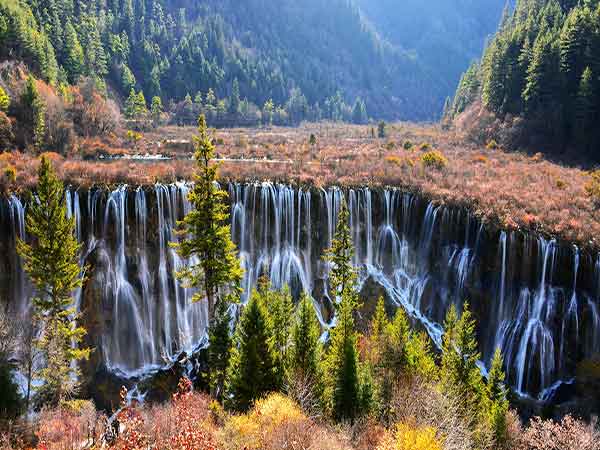
Jiuzhai Valley is a separate UNESCO natural property known for lakes, waterfalls, forest and mountain ecosystems. Use the park transport system and current route instructions, stay on permitted paths and allow a full day. Water color changes with light, season and conditions; a promotional photograph is not a guarantee. Build contingency time because weather and access can affect northern Sichuan transfers.
At Leshan, the 71-meter Giant Buddha is part of a wider 8th-century Buddhist landscape. Choose the boat view or the walking route according to current access and mobility rather than assuming both fit one rushed stop. Read the sculpture in relation to the meeting of rivers and ongoing conservation, not as a backdrop.
Mount Emei combines forest, temples, pilgrimage and high-elevation weather. The Golden Summit is only one layer; a slower plan can include temple architecture and lower-mountain ecology. Follow site rules, protect macaques by not feeding or displaying food, and check cable-car and shuttle operations. This route needs honest recovery time before the next flight.
Route option: Ten days from Kunming to Dali, Lijiang and Shangri-La
This rail-and-road progression is one of the more coherent first itineraries in southwest China. Kunming provides a lower-elevation arrival base, followed by Dali and Lijiang before higher Shangri-La. Ten days is the minimum for all four; travelers who dislike frequent hotel changes should remove one stop rather than cut every visit to a few hours.
In Kunming, use one day for the Stone Forest only after checking the long transfer and one day for the city, lake or museum. The Stone Forest represents South China Karst geology; it should not be paired with an unrelated Tiananmen image or described as being in central Kunming. Seasonal rain and weekend crowds affect the experience.
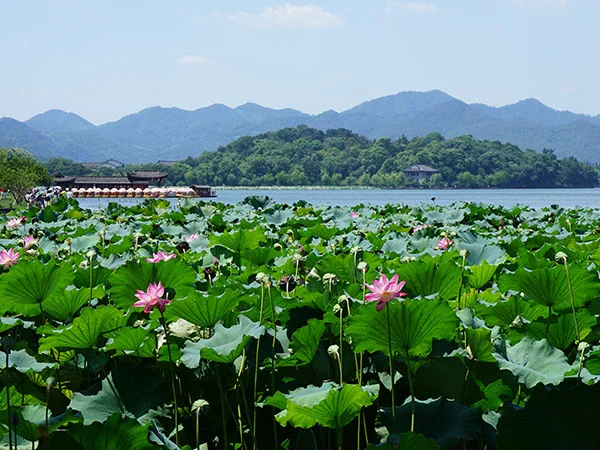
In Dali, combine the ancient town with a carefully chosen section of Erhai Lake and context on local Bai culture. Cycling the entire lake is not required; distance, traffic, weather and protected shoreline rules matter. Visit the Three Pagodas for architecture and Buddhist history, while respecting active religious practice.
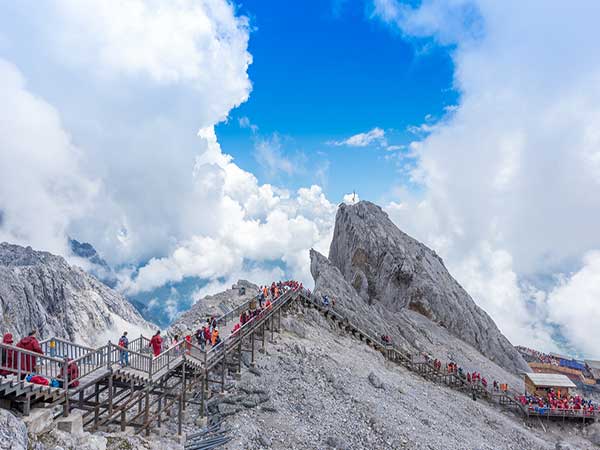
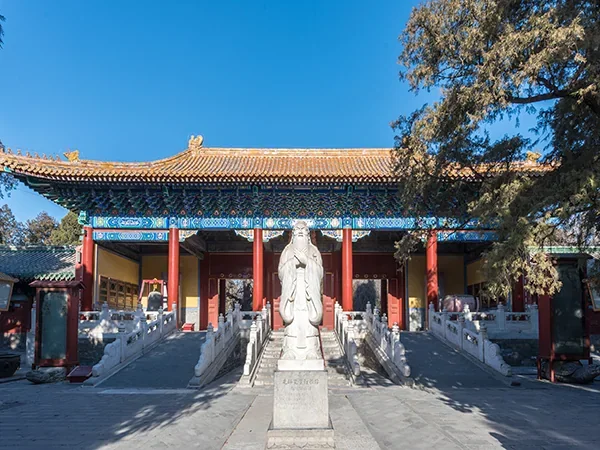
In Lijiang, separate the old town from Jade Dragon Snow Mountain planning. Mountain tickets, cableways, weather and altitude require advance checking, and a clear summit view is never guaranteed. The Forbidden City guide belongs to a future Beijing route, not this Yunnan circuit; keeping destination clusters distinct prevents the exact image-and-content mismatch this page is designed to avoid.
At Shangri-La, allow time to acclimatize before high viewpoints. Tiger Leaping Gorge and Pudacuo National Park are different excursions with changing access, weather and walking requirements. A ten-day route should finish with a buffer night before the international connection. Travelers choosing a Beijing–Xi'an history route instead can study the Terracotta Army guide and avoid mixing distant headline sights into one rushed southwest itinerary.
From $ 3061
From $ 1568
From $ 1136
Editorial accountability
Hu Lei, CEO. The named owner is responsible for travel-planning accuracy and escalation of time-sensitive checks.
Yuntian Travel (Yunnan) Group is identified in its corporate profile as a licensed professional inbound travel service provider based in Kunming, China. Registration and travel-service documents can be requested before booking.
Page-specific references where cited, official destination, transport and entry notices, YUNSKY route-planning records, and direct provider confirmation before a booking is finalized.
Content is reviewed when rules, transport, access, pricing or route conditions change. Final availability and operating details are reconfirmed for each traveler’s dates.
Quality review: Page updated: