Your China & Yunnan Travel Experts


Reviewed August 27, 2026. These things to do in China for U.S. travelers are ten distinct experiences, not a checklist that belongs in one itinerary. Select three or four that match the route, season, mobility and interests, then confirm tickets, identity-document rules, weather and operating status. The China acrobatics-show guide offers one evening option after the core cities and daily pace are fixed.
The Great Wall is a network of fortifications across regions and periods, not one continuous visitor trail. From Beijing, restored sections such as Badaling and Mutianyu have managed access and substantial facilities, while routes associated with Jinshanling and Simatai can involve different transfer times, gradients, operating hours and hiking controls. Choose by verified route condition and ability, not by a promise that one section is “secret.” Wear shoes with grip, carry water, protect against sun or ice, and do not cross closure barriers. A cable car can reduce ascent but does not remove stairs or uneven stone.
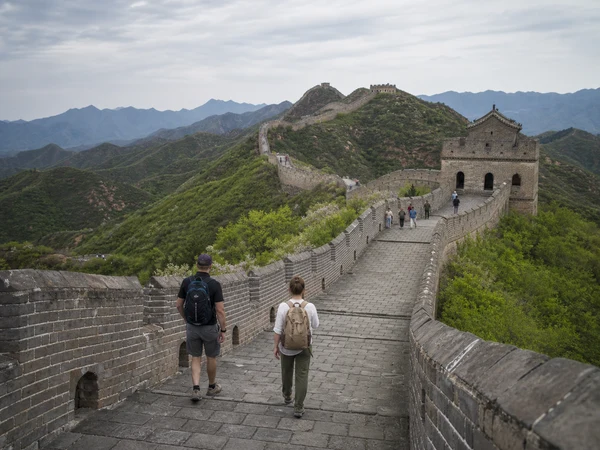
Restored Great Wall ridge with a route chosen for season and walking ability
In Shanghai , the Huangpu River helps explain the relationship between historic concessions, port development and the contemporary skyline. Walk the Bund with time to read building history, then cross the river for a different perspective rather than chasing only a night photograph.
A water-town visit should add settlement and canal context, not repeat a shopping street. Zhujiajiao and Tongli have different access patterns and lived neighborhoods. Travelers continuing toward Suzhou or Hangzhou should compare historic gardens, lake culture and water-town architecture before adding another transfer. Ask before photographing residents, keep doorways clear and confirm the last return connection.

Shanghai riverfront and nearby water towns make stronger photographs when architecture and community are understood; see the China photography journey guide for ethical location planning.
Choose an accredited zoological or research facility with clear conservation, welfare and visitor rules. A panda-focused visit is usually most rewarding early, when animals may be more active, but behavior is never guaranteed. The Dujiangyan area and Chengdu-region bases differ in purpose, layout and current programs; check the official facility rather than a reseller's outdated description. Do not purchase touching, holding, feeding or staged close-contact promises. Quiet observation, keeper interpretation and support for legitimate conservation are the ethical experience.

Giant panda observed from the visitor area at an authorized research facility
Guilin region is more than a single karst viewpoint. A licensed Li River cruise can connect Guilin with Yangshuo, while shorter boat, raft, cycling and walking options cover different corridors. Confirm the named pier, vessel, arrival point, luggage handling, life jackets and weather cancellation terms. River level and visibility vary; never treat a promotional photograph as a guaranteed daily condition. In villages, use marked routes and avoid entering fields or homes without permission.
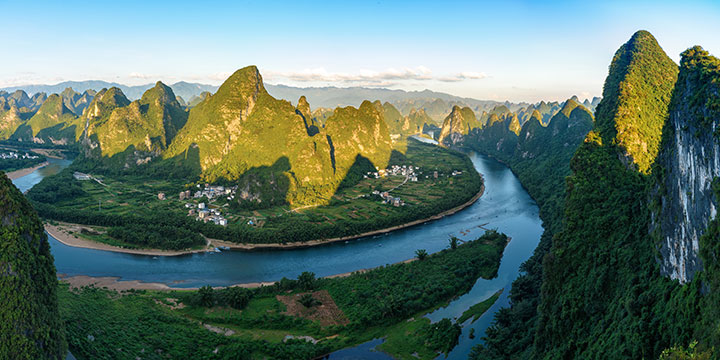
Licensed Li River vessel moving between karst peaks near Guilin
Renting a bicycle on Xi'an City Wall can reveal the scale of the fortification and the modern city around it. Rental counters, completion times and access sections can change with maintenance, weather or events. Check the bicycle and brakes, use the provided helmet, ride at a controlled speed and dismount in congested areas. The surface is broad but uneven, exposed and not suitable for every child or traveler with balance, heat or joint concerns.
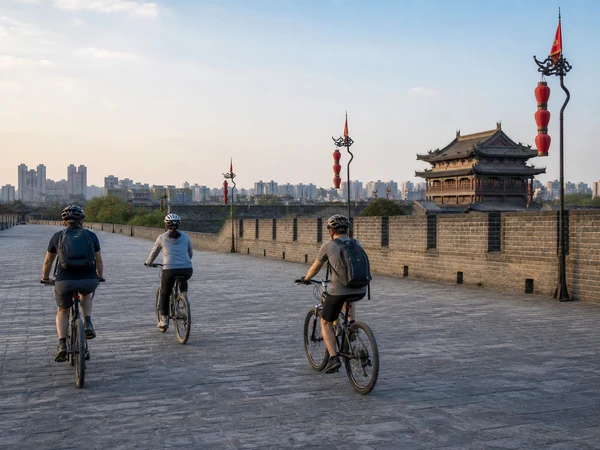
Helmeted riders on Xi'an City Wall with space between bicycles and pedestrians
A Yangtze River cruise is a multi-day transport-and-scenery experience, not a single standardized product. Compare vessel license, cabin location, accessibility, language support, included meals, shore-excursion walking, port transfers and the actual upstream or downstream schedule. Water management, weather and navigation can change timing; a Three Gorges Dam-related stop should distinguish the visitor site from the operational project. Review mobility needs before selecting a cabin reached only by stairs.
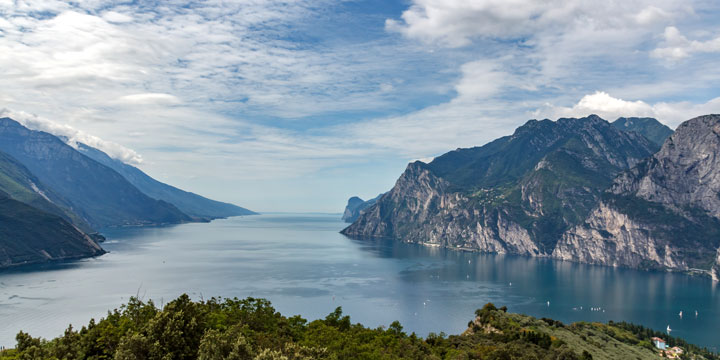
Yangtze cruise vessel viewed in the Three Gorges river corridor
The Qinghai–Tibet Railway to Tibet crosses high terrain and offers a gradual visual transition, but train travel does not guarantee acclimatization or prevent altitude illness. Current Tibet entry, permit and organized-travel requirements must be confirmed before nonrefundable booking. Discuss personal risk with a qualified clinician, recognize symptoms and keep the first Lhasa day light. Book through an authorized channel such as China Railway 12306 or a verified agency and confirm the exact station, berth and identity document.
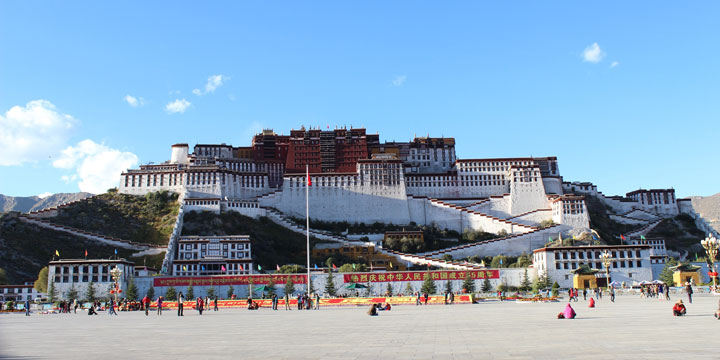
Qinghai–Tibet Railway across high plateau terrain; scenery is not a substitute for medical altitude planning
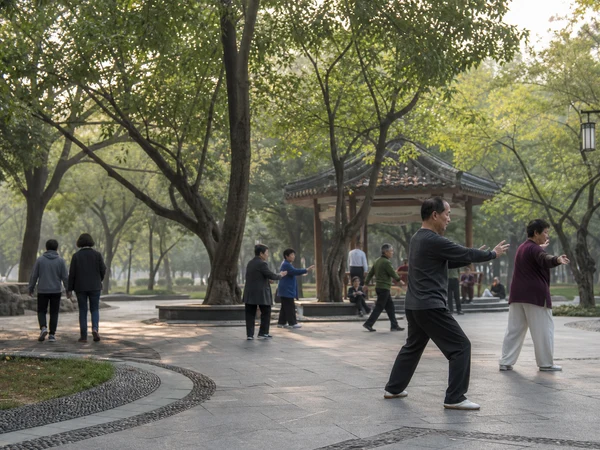
Public parks can show everyday exercise, music, dance, calligraphy and conversation, but they are community spaces rather than scheduled performances. Walk through first, keep paths open and ask permission before close-up photography or joining a group. Some groups welcome visitors; others value uninterrupted practice. A guide can translate the request and explain local routines without turning residents into attractions.
Regions such as Guizhou , Yunnan , Inner Mongolia , Xinjiang and Tibet include many peoples, languages, religions and livelihoods; they are not interchangeable “colorful cultures.” Select a community-led museum, workshop, food experience or local guide that names the people and place, explains whether an event is public, and returns value locally. Ask before entering homes or ceremonies, never demand costume photographs, and distinguish a staged visitor program from daily life.
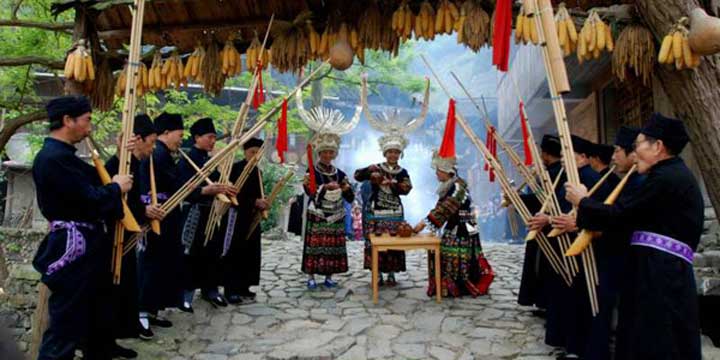
Community-led craft or food interpretation should name the people, place and host instead of using a generic ethnic label
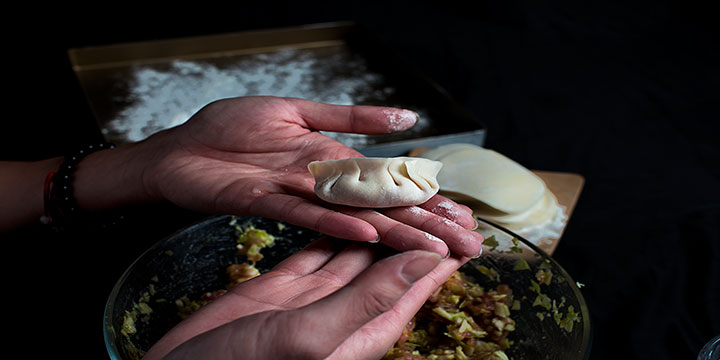
A strong class explains regional ingredients, market selection, knife and wok technique, seasoning balance and how dishes are served. Confirm allergies, cross-contact, accessibility, group size and who teaches before booking. A home setting requires explicit host consent and fair compensation; a market walk should not block vendors. Continue with the Chinese cuisine guide to connect the lesson with regional dining context and safer ingredient communication.
A practical China itinerary links each experience to a place already on the route, leaves a weather alternative, and states what remains unconfirmed. Ten activities in ten rushed days usually produce more transfers than understanding.
Through a private tour, you will enjoy more fun things to do in China, just tell us your interests on China and your favorite activities, Yun Sky Travel will arrange all the best activities to do in China for you. Start to plan your personal trip.
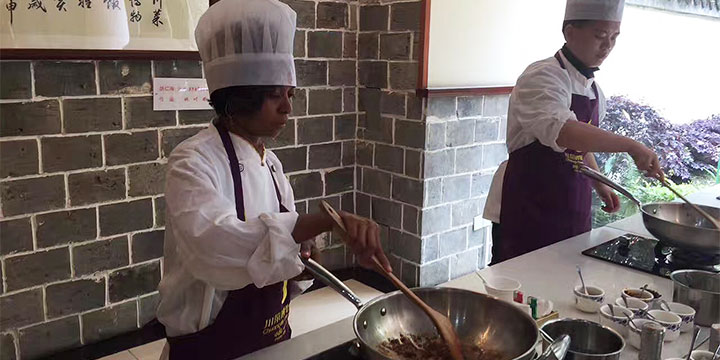
Learn to Cook Sichuan Cuisine
Take a look at some sample tours for your planning:
 For 1 week: 6 Days Beijing Shanghai Tour (Beijing, Shanghai)
For 2 weeks: 14 Days Adventure of Tibet and Yangtze (Beijing, Xian, Lhasa, Chongqing, Yangtze Cruise, Yichang, Shanghai)

From $ 2498

From $ 22782050
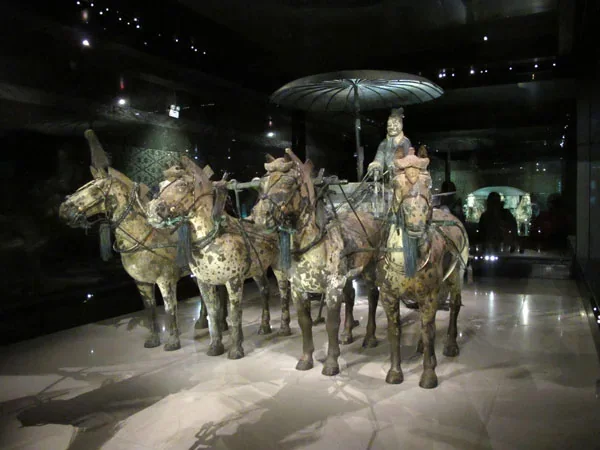
From $ 2983
Editorial accountability
Hu Lei, CEO. The named owner is responsible for travel-planning accuracy and escalation of time-sensitive checks.
Yuntian Travel (Yunnan) Group is identified in its corporate profile as a licensed professional inbound travel service provider based in Kunming, China. Registration and travel-service documents can be requested before booking.
Page-specific references where cited, official destination, transport and entry notices, YUNSKY route-planning records, and direct provider confirmation before a booking is finalized.
Content is reviewed when rules, transport, access, pricing or route conditions change. Final availability and operating details are reconfirmed for each traveler’s dates.
Quality review: Page updated: