Your China & Yunnan Travel Experts


Reviewed August 27, 2026. This list of the best places to visit in China is a decision guide, not an objective ranking. The thirteen stops earn their place by offering a distinct combination of heritage, landscape, food or urban life, but the right shortlist still depends on season, walking ability, altitude tolerance, entry rules and transfer time. Treat every duration as a planning range and recheck official tickets, weather and transport before purchase.
Sanya works best as a deliberate warm-weather rest stop rather than a token beach day. Yalong Bay, Haitang Bay and the island excursions offer different balances of swimming, resort facilities and travel time. Sea conditions, typhoons, heat and marine-activity standards change by date, so select a licensed operator and keep a weather fallback.
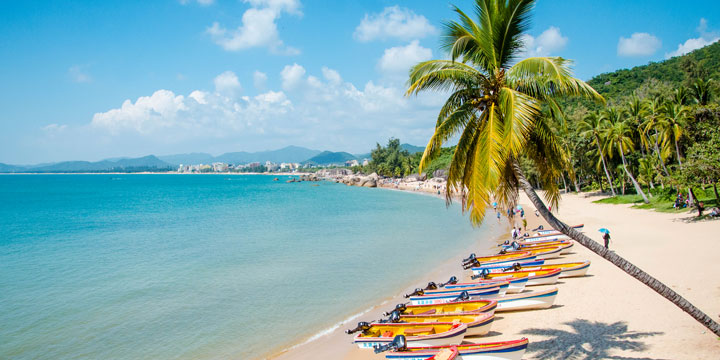
Yalong Bay shoreline in Sanya
How Long to Stay: 3–4 nights for a beach-focused stop; add time for an island day
Best Time to Visit: Often drier from roughly November to April, although marine forecasts and typhoon notices control the actual day
Where to Stay: Yalong Bay for a resort stay; Sanya Bay for city access; Haitang Bay for larger properties
Planning Note: Compare the exact beach, transfer and operating calendar instead of choosing only from a hotel photograph.
Route Fit: A useful finale after a cultural route; a weak fit when it forces a long detour for one night.
Lijiang brings together the UNESCO-listed old town, Naxi cultural history and access to high mountain scenery. The old town is a living commercial district as well as a heritage place, while Jade Dragon Snow Mountain and Tiger Leaping Gorge have very different altitude, access and physical demands. Build the day around the experience, not a single scenic label.

Jade Dragon Snow Mountain above Lijiang
How Long to Stay: 3–5 nights, depending on whether the gorge or mountain receives a full day
Best Time to Visit: Spring and autumn often balance temperatures and visibility; rain, altitude and trail status still need a near-date check
Where to Stay: Inside or near the old town for atmosphere; Shuhe for a quieter base; choose road access if carrying luggage
Planning Note: Read the Old Town of Lijiang UNESCO description, then verify attraction reservations with the actual operator.
Route Fit: Pairs naturally with Dali or Shangri-La only when elevation gain and driving time remain gradual.
Hangzhou is a strong counterpoint to Shanghai: the West Lake cultural landscape, tea-growing hills, temples and museums reward unhurried observation. High-speed rail makes the city accessible, but timetable, station and identity requirements should be checked on the official booking channel instead of relying on a fixed “one-hour” promise.
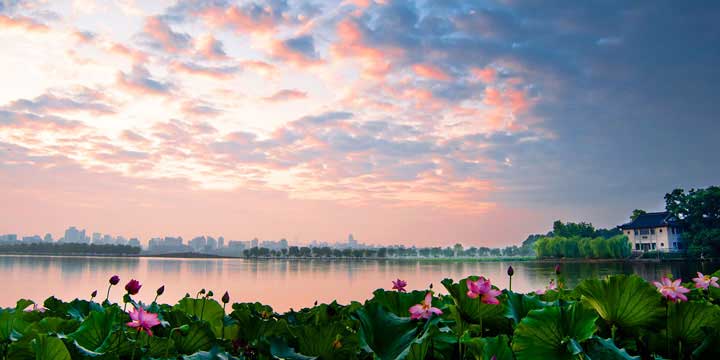
Lotus and evening light on West Lake in Hangzhou
How Long to Stay: 2–3 nights
Best Time to Visit: Spring for fresh growth and autumn for clearer walking weather; summer heat and holiday crowds change the experience
Where to Stay: East or north of West Lake for first-time access; near Lingyin for a quieter, more transfer-dependent stay
Planning Note: Reserve the museum or temple that matters most and leave one weather-flexible period around the lake.
Suzhou suits travelers who enjoy architecture at a human scale. Its UNESCO-listed classical gardens use framed views, rocks, water, plants and inscriptions to create carefully composed spaces; canals and historic streets show a different side of the city. Crowding can hide those details, so timed entry and an early start matter.
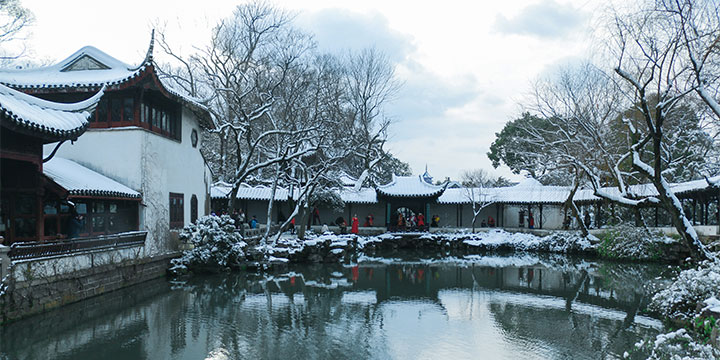
Snow-covered canal and garden architecture in Suzhou
How Long to Stay: 2–3 nights
Best Time to Visit: Spring and autumn usually support comfortable walking; summer humidity and peak blossom periods can increase crowding
Where to Stay: Near the old city for gardens and canals; near Suzhou railway station only when onward transport is the priority
Planning Note: Use the UNESCO garden list to identify what is actually inscribed, then check each garden's own admission notice.
Lhasa is not a casual add-on. U.S. travelers need to confirm current Tibet travel documentation and organized-visit requirements, allow a gradual first day at altitude and plan around the access rules of each religious site. The Historic Ensemble of the Potala Palace includes the Potala Palace, Jokhang Temple and Norbulingka; it should be approached as living heritage, not a backdrop.
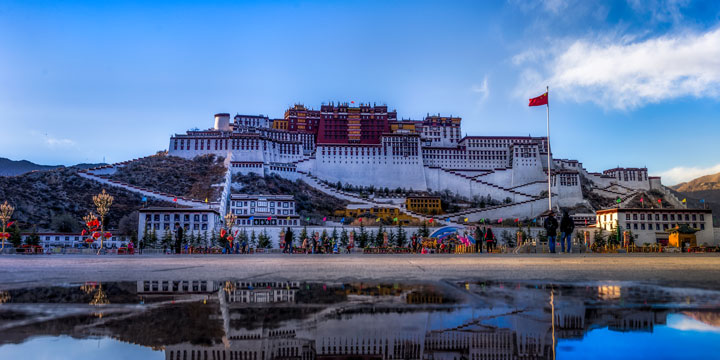
Potala Palace in Lhasa
How Long to Stay: At least 3–4 nights in Lhasa; an Everest route needs several additional days
Best Time to Visit: Late spring through autumn is common for road travel, but altitude, rain, winter operations and permit timing must be checked
Where to Stay: A lower, accessible Lhasa base near reliable transport; avoid choosing only by rooftop view when stairs or sleep quality matter
Planning Note: Discuss health and altitude concerns with a qualified clinician and confirm permits before nonrefundable regional bookings.
Zhangjiajie is known for the quartz-sandstone pillars of the UNESCO-listed Wulingyuan Scenic and Historic Interest Area. The experience is visually dramatic but operationally complex: park gates, shuttle buses, lifts, cableways, stairs and weather can reshape a day. The landscape should not be mislabeled as generic karst.

Quartz-sandstone pillars in Zhangjiajie National Forest Park
How Long to Stay: 3–4 nights for the national park plus one separate city-area attraction
Best Time to Visit: Spring and autumn often bring comfortable temperatures; rain, fog, ice and holiday peaks require a current check
Where to Stay: Wulingyuan for early park access; downtown for Tianmen Mountain and transport connections
Planning Note: Use the Zhangjiajie travel hub to separate Wulingyuan park days from city and cave excursions.
Hong Kong can extend a mainland route, but it has separate immigration, transport, currency and digital-service arrangements. Victoria Harbour, hillside neighborhoods, markets and museums provide more range than a shopping stop. Build the border crossing and onward ticket into the itinerary rather than treating it as an ordinary domestic transfer.

Victoria Harbour and Hong Kong skyline at night
How Long to Stay: 3–4 nights
Best Time to Visit: October through December often brings lower humidity, but typhoons and marine warnings remain date-specific
Where to Stay: Tsim Sha Tsui for harbor and museums; Central or Sheung Wan for island transport; choose by daily route
Planning Note: Recheck entry documents for every traveler and price the actual mainland-to-Hong Kong transfer before booking hotels.
Huangshan combines a UNESCO-listed mountain landscape with Huizhou villages and Tunxi's regional history. The mountain day includes steep steps, cable-car operating windows and rapidly changing visibility. A village day answers a different question—settlement, clan history and craft—so the two should not be compressed into one attraction claim.

Granite peaks and pines on Mount Huangshan
How Long to Stay: 3 nights for mountain plus village context; 4 if weather flexibility matters
Best Time to Visit: Year-round visits are possible, but rain, winter ice, summer storms and cable-car maintenance change route feasibility
Where to Stay: Tangkou for mountain access; Tunxi for rail, food and old-street context; summit only with a confirmed reason
Planning Note: Check the mountain's official weather and operations immediately before ascent and carry a descent fallback.
Guilin and Yangshuo make sense as one regional stop, but the experience depends on transport choice. A scheduled Li River cruise, a shorter raft or boat route, cycling and village walks have different weather, safety and accessibility considerations. Keep the famous profile of the hills in context: South China Karst is a broad geological property, not a promise that every photographed point has the same status.
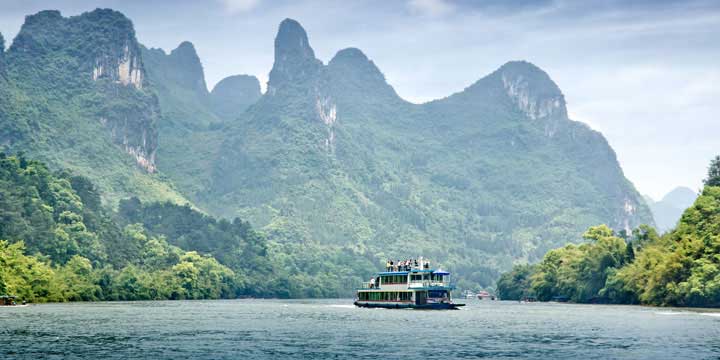
Karst peaks along the Li River near Guilin
How Long to Stay: 3–4 nights; add one more for the rice terraces
Best Time to Visit: Spring and autumn often balance scenery and temperature, while rain, river levels and summer heat need a current check
Where to Stay: Central Guilin for arrival logistics; Yangshuo for countryside time; split the stay only if transfers justify it
Planning Note: Choose one primary river experience and one land activity, then leave space for weather rather than duplicating viewpoints.
Chengdu is often chosen for giant pandas, but the city also offers food culture, archaeology, teahouses and access to nearby heritage. Panda facilities are conservation and research sites, not petting attractions; visitors should never promise touching, feeding or holding an animal. Jiuzhaigou is a separate highland trip, not an easy Chengdu day excursion.

Giant panda at a Chengdu research base
How Long to Stay: 3–4 nights in Chengdu; add at least 3 more for a realistic Jiuzhaigou extension
Best Time to Visit: Spring and autumn are often comfortable; panda activity, heat, rain and regional road conditions vary by date
Where to Stay: Central Chengdu near metro access; select a district by planned museums, food walks and day-trip departure
Planning Note: Review the facility's animal-welfare rules and avoid any seller advertising direct contact.
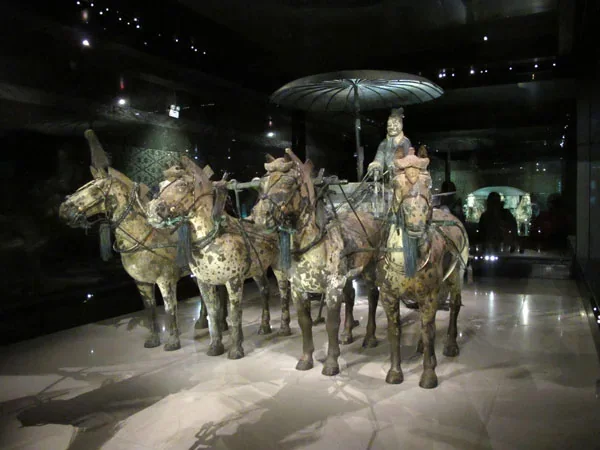
Xi'an is strongest when the Mausoleum of the First Qin Emperor, successive capital history and the surviving city form are read together. The Terracotta Army is a documented archaeological site and should not be reduced to a promotional world-wonder nickname. Mount Huashan can be added, but it demands its own weather, transport and exposure assessment.
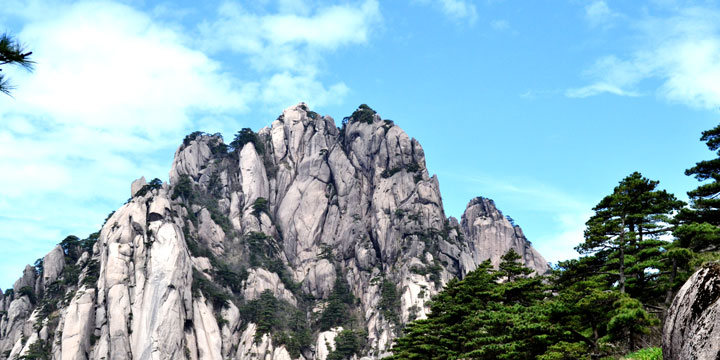
Mount Huashan near Xi'an
How Long to Stay: 3 nights in Xi'an; add a fourth or fifth for Mount Huashan
Best Time to Visit: Spring and autumn are often comfortable, but heat, winter ice and holiday demand can be decisive
Where to Stay: Inside the wall for evening walks; near a metro line for the museum transfer; avoid choosing only by Bell Tower view
Planning Note: Use the Xi'an travel guide to separate archaeological, neighborhood and mountain days.
Route Fit: A first-trip anchor for archaeology and early imperial history; allow one full museum day.
Shanghai offers more than a skyline. The Bund, former industrial waterfronts, lilong neighborhoods, museums and contemporary design show how the city changed through trade, migration and planning. International and rail connections are extensive, but schedules and any transit exemption must be checked against the actual passport and route.
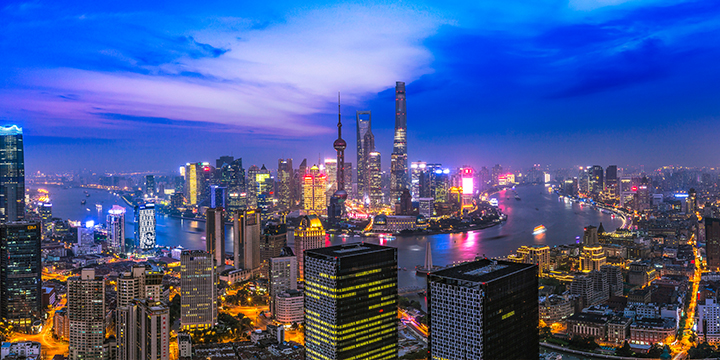
Shanghai skyline and Huangpu River at night
How Long to Stay: 3–4 nights
Best Time to Visit: Spring and autumn often favor walking; summer humidity, typhoons and major holidays need date-specific planning
Where to Stay: People's Square or Jing'an for broad transport; the Bund for river access at a premium; choose near the day's first stop
Planning Note: Test mobile payment, keep RMB cash and save the hotel address in Chinese before leaving the airport.
Beijing ranks first here because it can explain imperial planning, twentieth-century history, contemporary public life and the Great Wall within one regional base. That breadth also creates reservation pressure and long transfers. The Forbidden City does not sell same-day tickets, and major sites may use passport-based timed booking, so a flexible “we will decide tomorrow” plan can fail.

Restored Great Wall ridge outside Beijing
How Long to Stay: 4–5 nights
Best Time to Visit: Spring and autumn often offer better walking temperatures; winter cold, summer heat and holiday crowds require specific preparation
Where to Stay: Central Dongcheng for heritage access; a metro-connected alternative for value; a Great Wall hotel only for a deliberate overnight
Planning Note: Start with the Beijing travel guide, then book the Forbidden City and chosen Great Wall route before optional stops.
A good itinerary is not the maximum number of names. Start with one anchor—heritage, landscape, food, family learning or rest—then add places that connect by a reliable flight or rail corridor. Keep at least one lower-intensity block after a long-haul arrival, high-altitude move or mountain day. Ask YunSky Travel to document the transfer logic when you want a custom route.
Before paying, require the plan to show passport-dependent entry assumptions, official ticket channels, realistic door-to-door times, walking or altitude demands and a weather fallback. A planner can coordinate reservations but cannot guarantee admission, visibility or operating conditions.
A classic first route:
Zhangjiajie–Guilin–Hong Kong in 10–13 days
When comparing custom China itineraries , favor fewer bases with clear reasons over a longer list that hides early departures and late arrivals.

From $ 2498

From $ 22782050
From $ 2983
Editorial accountability
Hu Lei, CEO. The named owner is responsible for travel-planning accuracy and escalation of time-sensitive checks.
Yuntian Travel (Yunnan) Group is identified in its corporate profile as a licensed professional inbound travel service provider based in Kunming, China. Registration and travel-service documents can be requested before booking.
Page-specific references where cited, official destination, transport and entry notices, YUNSKY route-planning records, and direct provider confirmation before a booking is finalized.
Content is reviewed when rules, transport, access, pricing or route conditions change. Final availability and operating details are reconfirmed for each traveler’s dates.
Quality review: Page updated: