Your China & Yunnan Travel Experts


Reviewed: August 27, 2026. Student tour experiences in China become educational when students arrive with a question, gather evidence and reflect afterward. The six activities below can support history, conservation, geography, urban studies and cultural practice, but none should be sold as a guaranteed “must-do.” Use the educational trip planning guide to check supervision, health, access and contingency needs before adding an activity.
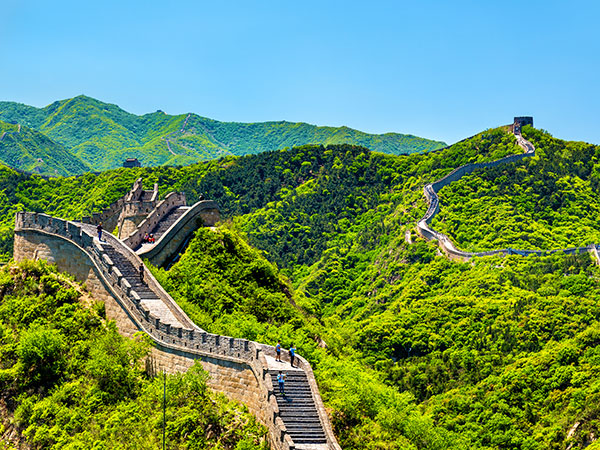
The Great Wall is a multi-period network of walls, passes, forts and watchtowers extending more than 20,000 km. At a managed section, students can record terrain, sightlines, building material, drainage, tower spacing and later repairs. Ask which observations support a defensive interpretation and which questions need maps or historical sources; this is stronger than repeating that a single emperor built one continuous wall. A useful field sketch labels slope, approach routes and visible construction changes, then separates direct observation from the date assigned by a guide or sign.
Choose the section for the actual group. Mutianyu and Badaling generally provide managed visitor infrastructure, but gradients, steps, wind, ice, heat and crowds still matter. Unrestored or closed stretches are not suitable merely because photographs look dramatic. Confirm current access and cable-car status, use footwear with grip, set turnaround times and give a non-climbing observation task to anyone who needs it.

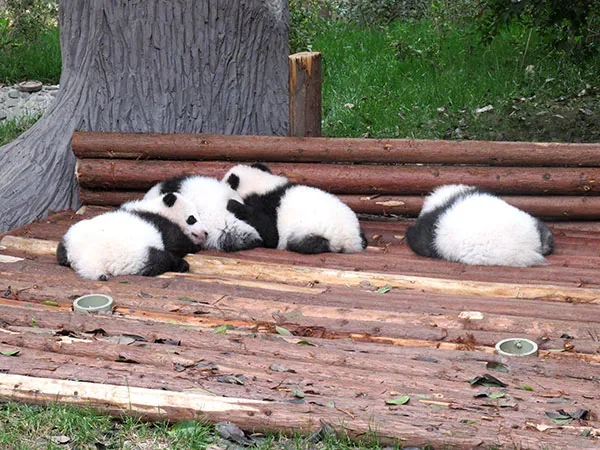
A panda institution near Chengdu can introduce habitat, diet, behavior, veterinary care, breeding and reintroduction questions. The learning goal is careful observation, not proximity. Do not promise feeding, touching, cubs, a “delivery room” view or access to staff-only facilities; animal location and visibility depend on welfare and current operations. Before the visit, students can predict which enclosure features support shade, climbing, retreat and feeding; afterward, they should revise the prediction instead of judging welfare from one photograph.
Give students a simple observation protocol: note time, weather, enclosure feature, visible behavior and uncertainty. Quiet voices, barriers and staff instructions come first. Afterward, compare what the public exhibit communicates with reliable conservation information, and distinguish an individual animal's observed behavior from a general claim about the species.

A tea village or workshop can connect plant science, labor, seasonality, processing, trade and hospitality. Students can compare leaf shape, withering or heating steps and brewing variables while noting what was demonstrated versus what they directly observed. “Green” and “black” are broad processing categories, not quality rankings, and one workshop does not represent every Chinese tea tradition. Record who grew, processed, sold and served the tea; those roles reveal a supply chain that a tasting alone would hide.
Around Hangzhou, Longjing-related visits can pair field observation with material culture and taste, but harvest activity is seasonal and participation is not guaranteed. Ask permission before entering fields or photographing workers, do not pick leaves without invitation, and describe flavor without claiming a health benefit. A student with caffeine sensitivity or dietary restrictions can study aroma, tools and process without drinking.

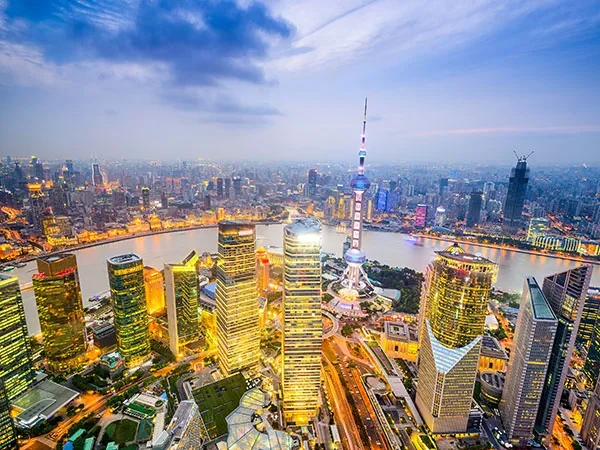
A cruise or public ferry can help students compare the Bund's historic waterfront with Lujiazui's high-rise skyline. Use a map to mark orientation, bridge and ferry connections, building age, flood-control edges and public space. A bright night view is visually memorable, but daytime often makes urban form and river activity easier to document. Give each student one observation zone so the group gathers complementary evidence rather than twenty versions of the same skyline image.
Do not copy an old fixed sailing timetable. Boarding points, duration, weather restrictions, capacity and last departures change; verify the operator or transport authority's current notice. Keep the group within vessel rules, plan for wind and wet decks, and use a waterfront walk or map lab if visibility, fatigue or supervision makes the cruise unsuitable.

Water towns such as Wuzhen, Nanxun, Xitang, Tongli, Zhouzhuang or Zhujiajiao offer evidence about canals, bridges, street frontage, trade and settlement. They are living and managed places, not an unchanged scene from a single historical period. Have students map how water access, houses, shops and visitor services interact instead of listing boats and stone lanes as decorative features. A comparison between a quiet side lane and a commercial frontage can open a better discussion of conservation, livelihoods and visitor pressure.
Compare preservation with daily use: Which buildings appear adapted, which activities serve residents, and where is visitor movement controlled? Confirm current ticket and boat rules, use railings and life jackets where required, and ask permission before photographing people or doorways. Rain and slippery stone can change the route; a shorter accessible circuit should carry the same inquiry question.
Wushu is a broad field of Chinese martial practices, and “kung fu” is not one style invented by a single group. A performance demonstrates trained choreography and athletic skill; it does not by itself prove the history shown in a story. Students should learn the instructor's lineage or school, distinguish performance from self-defense and avoid reenacting advanced moves without instruction. Film clips should be compared cautiously: camera cuts, wire work and storytelling can shape expectations that a live class cannot and should not reproduce.
A Shaolin-related visit can explore the relationship among religious heritage, martial traditions and modern performance, but opening, lesson and show arrangements change. Use an authorized class, disclose injuries, provide space and stop if a student is uncomfortable. Do not photograph worship or practitioners against posted rules, and do not describe visitor demonstrations as monks' everyday life.
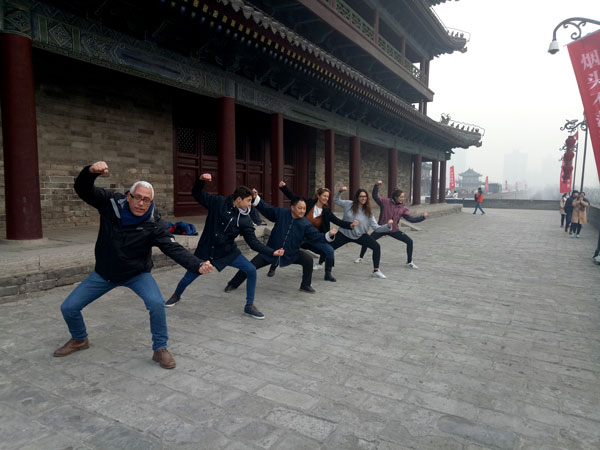
Tai Chi practice can introduce balance, weight transfer, breath awareness and coordinated movement without claiming medical treatment. Choose a trained instructor, begin with a short low-impact sequence and offer a seated or observation role. Compare the pace and purpose of the exercise with a staged wushu show, then ask students how translation and popular media shape outside expectations.
Connect every activity to evidence. The best places for an educational trip to China are useful only when place and task fit. Before booking, write the question, required preparation, evidence to collect, accessibility, supervision point, current-rule check and fallback. Afterward, students should label observation, interpretation and information learned from a source as three different things.
Student fieldwork checklist
An educational itinerary does not need all six experiences. Two well-prepared field activities, a museum or classroom session and time to discuss evidence can be more valuable than a crowded checklist. Confirm dynamic schedules close to travel, retain a weather-safe alternative and let student wellbeing outrank a prepaid photo opportunity. Before departure, assign one student team to assemble a short evidence portfolio and another to audit captions, permissions and sources. That final editorial check turns travel notes into accountable learning instead of a collection of unverified impressions.
From $ 2356
From $ 1207
From $ 22782050
Editorial accountability
Hu Lei, CEO. The named owner is responsible for travel-planning accuracy and escalation of time-sensitive checks.
Yuntian Travel (Yunnan) Group is identified in its corporate profile as a licensed professional inbound travel service provider based in Kunming, China. Registration and travel-service documents can be requested before booking.
Page-specific references where cited, official destination, transport and entry notices, YUNSKY route-planning records, and direct provider confirmation before a booking is finalized.
Content is reviewed when rules, transport, access, pricing or route conditions change. Final availability and operating details are reconfirmed for each traveler’s dates.
Quality review: Page updated: