Your China & Yunnan Travel Experts


Reviewed: August 27, 2026. This is a decision guide for student accommodation in China, not a current ranking of named hostels. Properties, prices, room types and foreign-guest policies change. Teachers and group leaders should verify the operating name, legal guest registration, safeguarding arrangements, accessibility, fire exits and cancellation terms directly before paying.
1. Use neighborhood character without sacrificing supervision
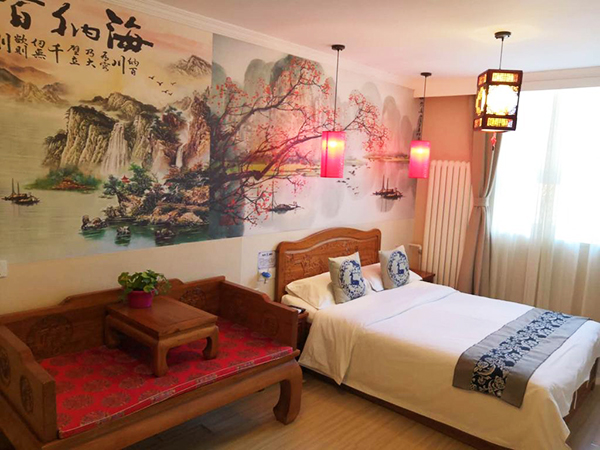
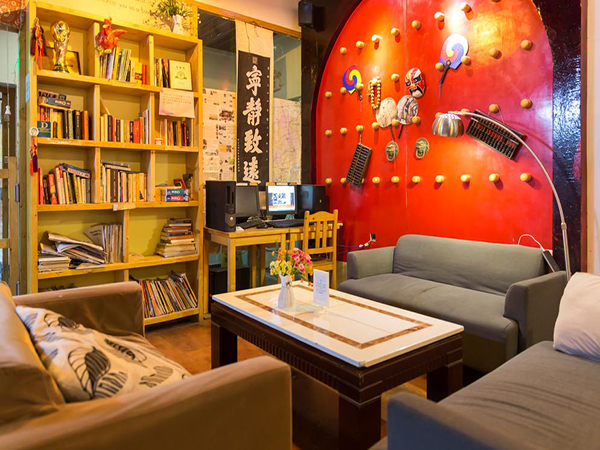
A courtyard-style stay can add context to a Beijing history or urban-form program, but an old building is not automatically suitable for a student group. Ask for a current floor plan, room allocation, stair and bathroom details, heating or cooling, fire exits, night staffing and a quiet-hours policy. Treat the original room photograph on this page as an example of a traditional-style interior rather than an endorsement of a particular property.
Foreign travelers normally present a valid passport or other accepted travel document at hotel reception, and the hotel handles accommodation registration. Confirm that the property can complete this process for every nationality in the group; do not rely on an old booking-platform label or a verbal promise made before the guest list is reviewed.
Map the entrance to the nearest practical metro station and to the day's first learning site. “Near the Forbidden City” can still mean a tiring transfer for a slow-moving group. Check coach access, luggage handling, late-arrival procedures and an indoor assembly point, then test the route against rush hour rather than straight-line distance.
For minors, keep students in a defined room block with named adults nearby, control room-key distribution and document the night headcount and lost-key procedure. Shared dormitories with members of the public are rarely appropriate for a supervised school group unless the school has explicitly assessed and approved the arrangement.
2. Audit access, privacy and learning value
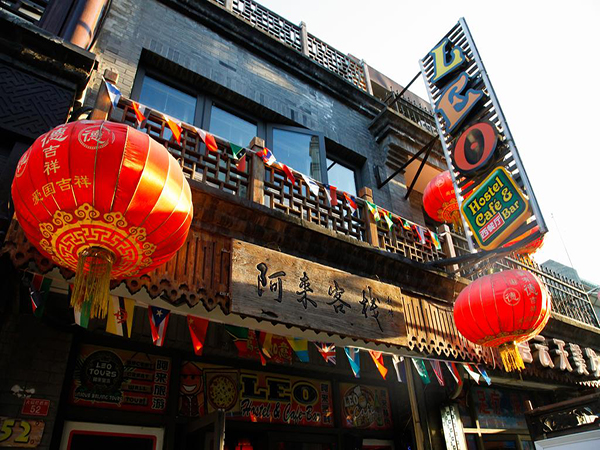
Historic hutong lanes may have thresholds, narrow approaches or limited lift access. Request measurements and recent photographs for any student who uses a wheelchair or has reduced mobility; “accessible” on a booking page is not enough. Provide an equivalent accommodation experience if the building cannot meet a traveler's needs.
Ask how bathrooms, changing areas and dormitories protect privacy across age and gender needs. Confirm working locks, secure luggage storage and a private route for raising a concern. A decorative courtyard or common room can support reflection sessions only if noise, public access and closing time allow the group to use it safely.
Choose the Beijing base that protects sleep and field time. Architecture can enrich the program, but reliable registration, supervision, transport and rest are the non-negotiable criteria.
1. Balance heritage atmosphere with city access
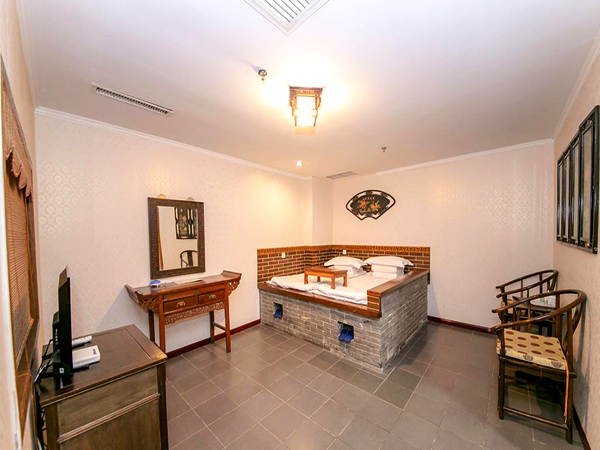
A courtyard room near Xi'an's historic core can help students notice spatial design, materials and adaptation, yet the lodging itself is not a museum object. Ask what has been renovated, which spaces are shared and whether the group may study or photograph the building. Never infer an exact building age from decoration alone.
Confirm the current address, entrance and registered operating name directly with the property. Similar English names, relocations and ownership changes can make an old recommendation unreliable. Share the verified Chinese address and telephone number with leaders and drivers, but keep individual room assignments off public group channels.
2. Plan movement around the actual itinerary
For a program using the city wall, museums and archaeological sites, compare walking time, metro access and coach pickup rather than choosing only by a famous landmark. Security checks, group pace and traffic can turn a short map distance into a long transfer. Keep the final morning light if the group departs by high-speed train or air.
Ask whether breakfast can start before the first timed entry and whether the kitchen can document allergens, vegetarian ingredients and cross-contact limits. A pleasant garden or games area is useful only after quiet study, medication storage and early-departure needs are covered.
Prefer a property that provides one accountable group contact, a written room list, night support and clear evacuation instructions. Recheck these details after any hotel or route change.
1. Decide between Guilin city and Yangshuo by learning purpose
Guilin city can simplify rail connections and museum or urban access; Yangshuo can place a group closer to karst and rural fieldwork. The cheaper bed is not necessarily the better base once vehicle time, baggage, supervision and weather alternatives are counted. Use the original exterior photograph only to understand the scale of a small guesthouse, not as proof of its present facilities.
Confirm foreign-guest registration, room configuration and how late arrival is handled. Small properties may have limited reception hours or no lift, while rural addresses can be difficult for a large coach. Send the full group requirements in writing and request a written acceptance rather than assuming that an online reservation covers every need.
Rain, heat and seasonal river conditions can alter outdoor plans. The lodging should provide a safe covered meeting area, a place for wet equipment and a reachable vehicle pickup point. For cycling or hiking days, ask where helmets or gear are stored and how an injured student returns without separating unsupervised travelers.
2. Check rooms beyond the promotional photograph
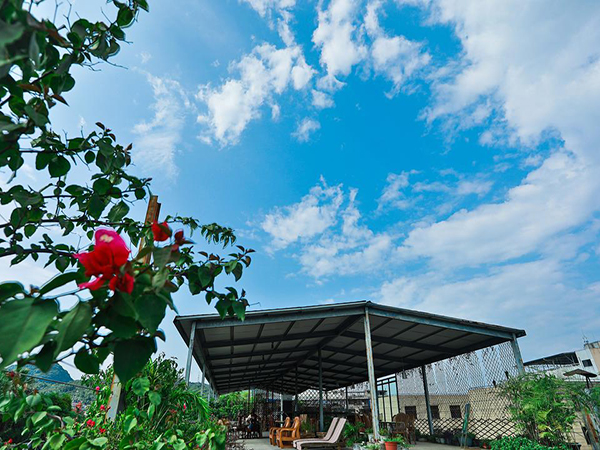
Request recent images of the exact room categories, bathrooms, corridors and exits—not only the rooftop or lobby. For dormitory beds, verify curtains or privacy, individual lights, charging points, lockers and whether the group has exclusive use. Confirm potable-water arrangements and how breakfast changes for an early departure.
Map emergency care, the nearest practical transport connection and a weather-safe learning option. A countryside view can support geography discussion, but it does not replace a documented response plan.
Choose the Guilin-area property after comparing the whole itinerary, accessibility and supervision load. Reconfirm seasonal operations shortly before arrival.
1. Prioritize transport and sleep in a large city
Shanghai has many accommodation types, but a low headline price can conceal long transfers, shared facilities or a room block split across floors. Plot the property against the museum, waterfront, station and airport actually used by the course. Check the last practical return route without promising students that they may travel independently at night.
The hotel should review passports and complete foreign-guest registration at reception. Confirm group check-in procedure, name-list format, deposit method and the handling of delayed travelers before arrival; keep passport copies in a controlled system rather than an open messaging group.
A central location may bring street or corridor noise. Ask for quiet room placement, blackout curtains, working climate control and a room where a student can decompress or contact a leader privately. Sleep is part of risk management, especially after long-haul travel.
2. Test privacy, security and accessibility
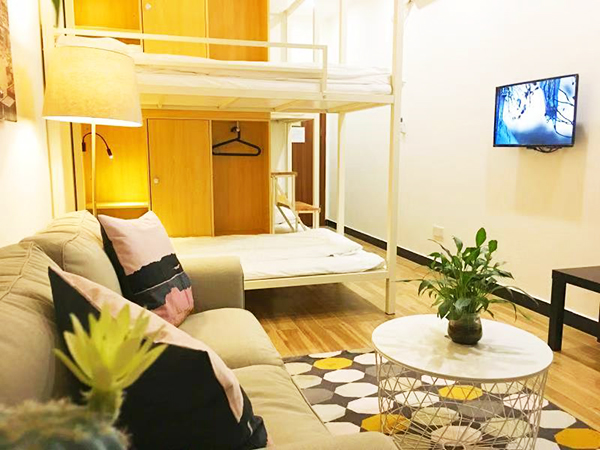
If dormitory-style rooms are considered, verify exclusive group use, gender and age arrangements, door locks, lockers and adult proximity. Document who holds master access and how a student reports a concern. A shared kitchen or lounge should never replace formal allergy controls or supervised meals.
Request step-free route details from street to room, lift dimensions where relevant and accessible bathroom photographs. Also check coach stopping rules, luggage steps and the route to a metro entrance; a property can be accessible inside but difficult to reach.
Inspect fire-exit information on arrival, count rooms during the first night drill and record the 24-hour contact. Do not let an attractive common-room photograph stand in for this check.
3. Compare the full cost, not an old bed rate
Include breakfast, taxes, deposits, room exclusivity, leader rooms, luggage storage, late checkout, local transfers and cancellation exposure. Prices shown in an old article are not evidence of present value. Obtain a dated group quote that identifies currency, payment schedule and refund conditions.
Send dietary and allergy requirements through a controlled process, then confirm what the kitchen can actually provide. Students who need medication refrigeration, mobility equipment or a quiet room require named arrangements rather than a generic special-request field.
Use flexible or staged payment where possible and record the approval chain. Recheck the property shortly before travel for operating-name changes, construction, policy changes or major recent complaints.
Record who completed each check, the date and the evidence received. A dated accommodation file makes later changes visible and prevents the next organizer from treating an old recommendation as a permanent fact.
A student accommodation checklist should cover legal registration, supervision, access, privacy, fire safety, food, sleep, transport and contract terms. The educational trip planning guide shows how the room plan fits the wider duty-of-care system.
Families needing private rooms can compare the questions in the China family-room hotel guide, while still checking current policy and registration directly.
Groups with mobility, medication or slower-pace needs can use the accessible accommodation planning guide as an additional checklist. These links support decisions; none certifies a specific property.
From $ 2356

From $ 1207

From $ 22782050
Editorial accountability
Hu Lei, CEO. The named owner is responsible for travel-planning accuracy and escalation of time-sensitive checks.
Yuntian Travel (Yunnan) Group is identified in its corporate profile as a licensed professional inbound travel service provider based in Kunming, China. Registration and travel-service documents can be requested before booking.
Page-specific references where cited, official destination, transport and entry notices, YUNSKY route-planning records, and direct provider confirmation before a booking is finalized.
Content is reviewed when rules, transport, access, pricing or route conditions change. Final availability and operating details are reconfirmed for each traveler’s dates.
Quality review: Page updated: