Your China & Yunnan Travel Experts


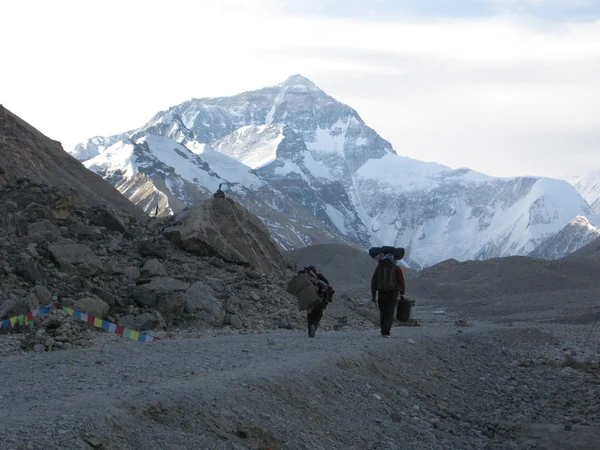
The summit remains below freezing throughout the year, while the north-side visitor area can feel comparatively mild in sun and sharply colder after sunset. Wind chill, cloud and altitude can matter more than the daytime air temperature printed in a forecast. Pack for sudden change and use a forecast for the exact elevation and location whenever possible.
| Illustrative historical summit-temperature reference; values are approximate and are not a travel forecast | |||||||||||||||||||||||
| Scale |
July
|
August
|
September
|
October
|
November
|
December
|
January
|
February
|
March
|
April
|
May
|
June
|
|||||||||||
| Celsius |
-18
|
-18
|
-21
|
-27
|
-30
|
-34
|
-36
|
-35
|
-32
|
-31
|
-25
|
-20
|
|||||||||||
| Fahrenheit | -0.4 | -0.4 | -5.8 | -16.6 | -22 | -29.2 | -32.8 | -31 | -25.6 | -23.8 | -13 | -4 | |||||||||||
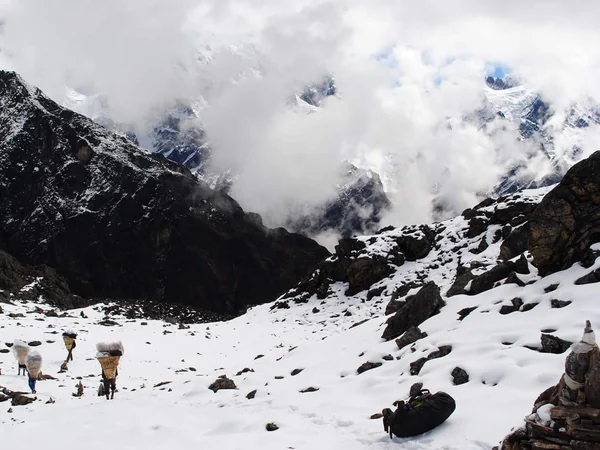
Moisture is strongly seasonal. The South Asian monsoon brings more cloud and precipitation to the Himalaya in summer, although local conditions differ between the wetter southern side and drier Tibetan north side. Low humidity outside the monsoon can dry skin and airways even when snow is present.
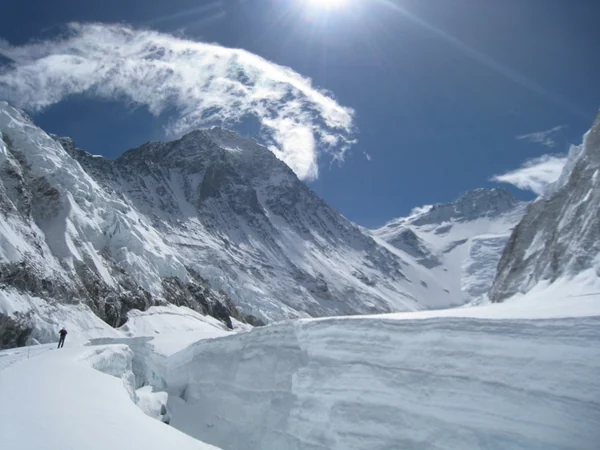
The upper mountain is exposed to powerful westerly airflow and, at times, the jet stream. Exact wind speeds vary rapidly and should come from current meteorological products, not a universal monthly number. For ordinary visitors, strong wind can close roads or scenic facilities, intensify cold and make tripods unstable even far below the summit.
|
Broad weather periods for planning; dates are approximate and conditions vary year to year
|
||
|
Summer monsoon
|
Cloudier and wetter; visibility variable
|
June to September
|
|
Early autumn
|
Often clearer; nights increasingly cold
|
Late September to mid-October
|
|
Late autumn
|
Drier, colder and frequently windy
|
Mid-October to November
|
|
Winter
|
Very cold, dry and exposed; closures possible
|
December to February
|
|
Spring transition
|
Cold and changeable with improving access
|
March to early May
|
|
Late spring
|
Often useful visibility before stronger monsoon influence
|
May to early June
|
From $ 1637
From $ 3179