Your China & Yunnan Travel Experts


Animals made overland exchange possible, but the Silk Road did not operate as one caravan moving from China to the Mediterranean. Loads usually passed between regional merchants, oasis markets and transport specialists. Horses, Bactrian camels, mules, donkeys and yaks were selected for different terrain, while herds also supplied food, fiber and replacement animals. Follow the geography in the Silk Road route guide, compare the cargo in the Silk Road goods guide, and place Han diplomacy in context through the account of Zhang Qian and the Western Regions. This network view explains why transport practices changed between the steppe, the Hexi Corridor, the Taklamakan oases and high mountain passes.
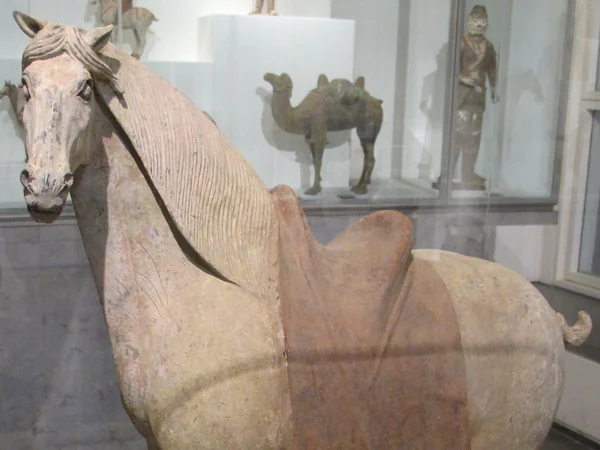
Horses supported riding, communication, herding and warfare as well as trade. Chinese courts valued strong horses from Central Asia, and horse exchange became part of diplomacy and frontier policy. Yet no single breed or cavalry system explains the whole network. Smaller, hardy steppe horses could travel and forage in difficult conditions, while relay arrangements reduced the need for one animal to complete an entire route.
For a traveler, horse figurines and tomb art are evidence to interpret rather than proof of a continuous merchant journey. Museum labels can reveal the animal's date, archaeological context and symbolic role. Distinguish a Tang funerary horse, a Han military image and a modern riding tradition instead of treating all three as the same Silk Road story.
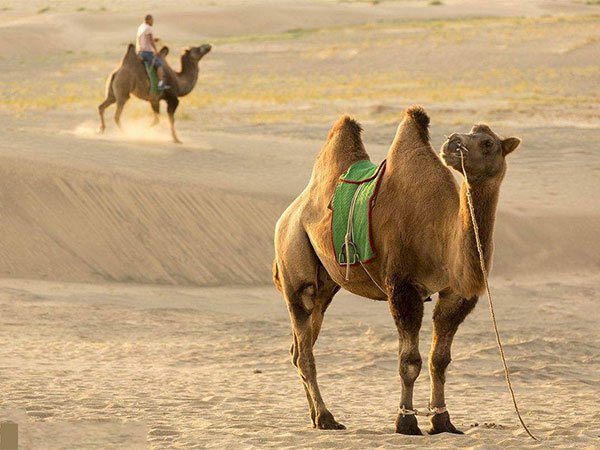
The two-humped Bactrian camel was especially suited to cold, dry environments across Inner Asia. Its ability to carry substantial loads and cope with temperature extremes made it valuable on desert and steppe segments. Camels were not used everywhere, however: terrain, water, fodder, ownership and local expertise determined the practical choice.
Han and later Chinese records, diplomatic gifts and archaeological art show that camels were familiar within long-distance exchange. These sources do not support a simple picture in which every shipment left Chang'an on a camel and arrived in Europe unchanged. Goods were regrouped, taxed, sold and transferred at intermediate markets.
Modern visitors should avoid approaching working animals as decorative props. If an itinerary includes a camel ride, check the operator's handling practices, loading, rest periods and safety instructions. A heritage explanation is more meaningful when it separates ancient transport evidence from a present-day tourism activity.
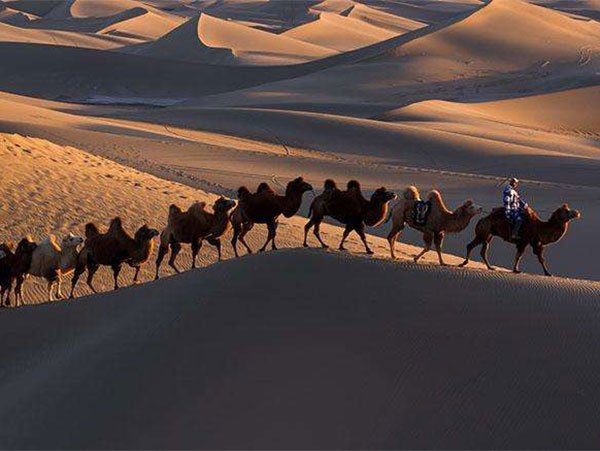
A caravan was a practical response to risk, distance and the need to share guides, guards and supplies. Oasis towns, passes and caravanserais supported rest, storage, repairs, information exchange and trade. Their spacing was shaped by water and terrain, not by a fixed daily itinerary. When visiting Dunhuang, Turpan or Kashgar, look for the relationship between settlement, agriculture and the next desert crossing. That landscape context explains the Silk Road more accurately than an image of an endless camel line.
From $ 3510
From $ 3061

From $ 3683
Editorial accountability
Hu Lei, CEO. The named owner is responsible for travel-planning accuracy and escalation of time-sensitive checks.
Yuntian Travel (Yunnan) Group is identified in its corporate profile as a licensed professional inbound travel service provider based in Kunming, China. Registration and travel-service documents can be requested before booking.
Page-specific references where cited, official destination, transport and entry notices, YUNSKY route-planning records, and direct provider confirmation before a booking is finalized.
Content is reviewed when rules, transport, access, pricing or route conditions change. Final availability and operating details are reconfirmed for each traveler’s dates.
Quality review: Page updated:
