Your China & Yunnan Travel Experts


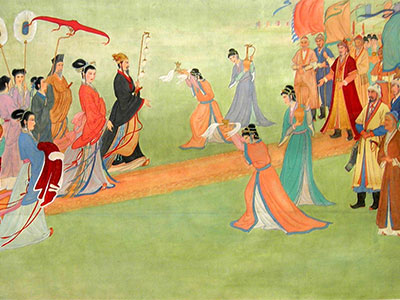
Silk Road history is the history of many regional networks that connected East Asia, Central Asia, South Asia, West Asia, North Africa and Europe. Exchange long predated the name “Silk Road,” and no opening ceremony created one continuous road. During the Western Han, missions associated with Zhang Qian and expansion through the Hexi Corridor increased Chinese court knowledge and contact with societies to the west. The Han dynasty Silk Road guide explains that stage without presenting it as the work of one explorer. Earlier jade, horse and steppe exchanges remind us that court records capture only part of the story.
Routes around the Taklamakan depended on oasis kingdoms and intermediaries. Goods changed owners many times, while envoys, translators, monks, animal handlers and craftspeople moved within shorter regional circuits. Political control could facilitate travel but also introduce taxation and conflict. Archaeological evidence—coins, textiles, documents, glass, ceramics and plant remains—often gives a more precise date and route than a later legend. The find context matters: a Roman glass vessel in China demonstrates contact, but not necessarily a Roman owner or direct journey.
The Tang period created a different cosmopolitan setting around Chang'an, Dunhuang and Central Asian connections. Buddhism, Zoroastrianism, Manichaeism and forms of Christianity appear in surviving art and texts, but not everywhere or at the same time. Follow that complexity in the Tang dynasty Silk Road guide. Maritime networks also grew in importance, demonstrating that land and sea exchange were complementary rather than competing systems with one universal peak. Sogdian and other Central Asian communities were not temporary background figures; their families and institutions were part of urban life.
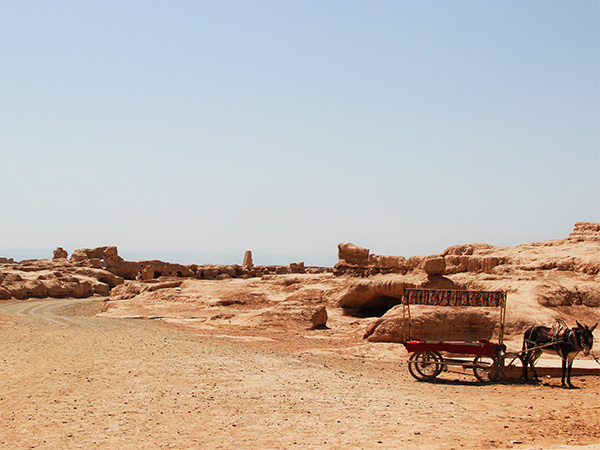
There was no single date when the Silk Roads “closed.” War, changing empires, environmental pressure, new markets and increasingly capable maritime trade altered different corridors at different times. Some routes remained active into the early modern period while particular oasis cities or land branches declined earlier. The guide to why overland routes changed separates those factors. For travelers, a chronological route from Xian through Gansu to Xinjiang works best when every stop is tied to its own period and evidence. Jiayuguan's Ming fortress, for example, should not be presented as a Han construction merely because it stands on a Silk Road itinerary.