Your China & Yunnan Travel Experts


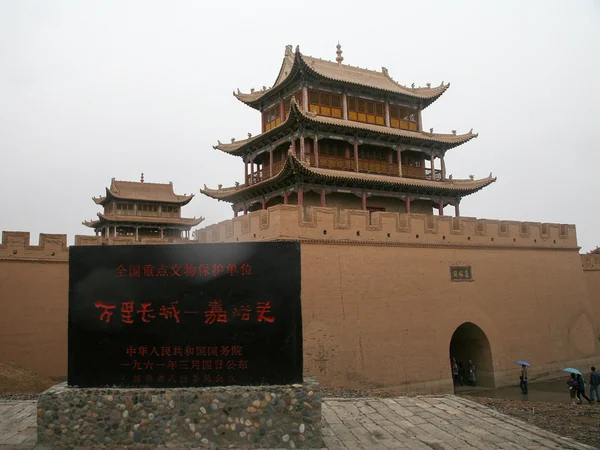
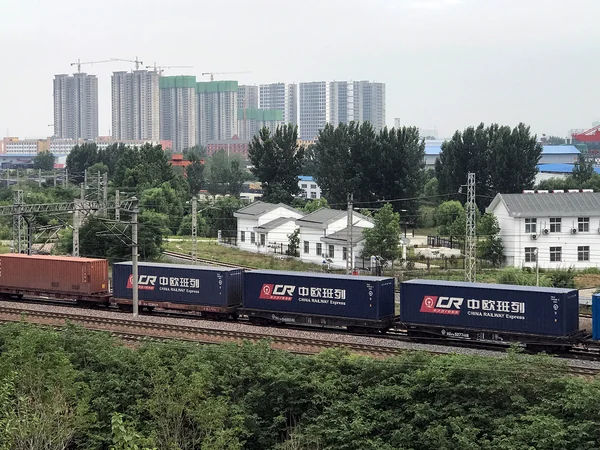
The Silk Roads were overlapping land and sea networks rather than a single highway. In the Chinese section, important corridors linked Chang'an and Luoyang with the Hexi Corridor, Dunhuang, the oasis routes around the Taklamakan and passes into Central Asia. Routes expanded, contracted or shifted with water, security and political control. The UNESCO-listed Chang'an–Tian-shan Corridor is one documented portion of a much larger network, not the full extent of every Silk Road. For a chronological foundation, begin with the Silk Road history guide; for geography, compare the major routes in China.
Silk was a high-value commodity, but it was never the only thing exchanged. Textiles, horses, glass, metalwork, paper, ceramics, medicines, fragrances and food plants moved through different regional markets. Religious texts, artistic forms, languages and technical knowledge traveled with monks, envoys, craftspeople and merchants. Movement was selective and gradual: an object found far from its place of production does not prove that one merchant crossed the entire continent. Many loads changed owner, animal and packaging several times, and river or sea transport joined overland stages where geography allowed.
The modern term “Silk Road” became popular long after the ancient routes operated. Historians often use the plural “Silk Roads” to emphasize branches on land and sea. The network did not begin from nothing in the Han dynasty; earlier exchanges already existed. Han diplomacy and expansion from the late second century BCE made Chinese court connections with Central Asia more direct, while later periods—including the Tang—created different conditions for exchange. There was likewise no single closing date: one oasis or land corridor could decline while another route remained active.
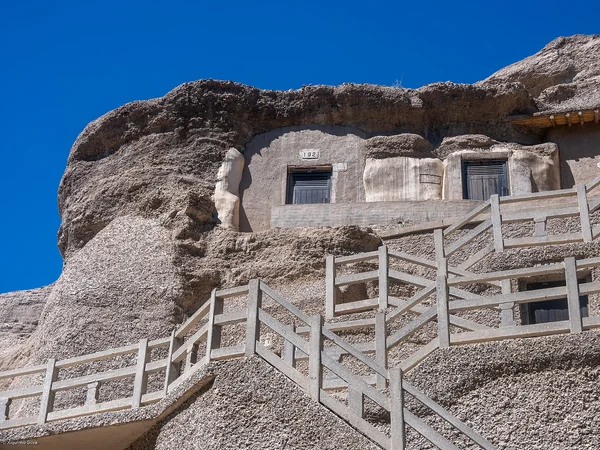
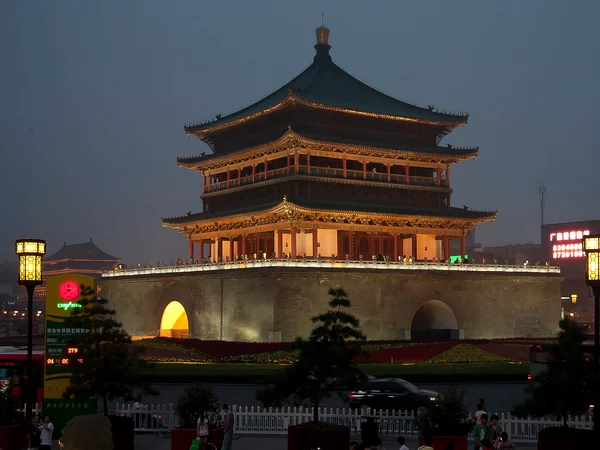
For travelers, the most useful facts are tied to places and evidence. Xian provides imperial-capital context; the Hexi Corridor explains movement through Gansu; Dunhuang preserves frontier and Buddhist records; Turpan reveals oasis urbanism; Kashgar connects routes toward Central Asia. Use the Silk Road significance guide to connect these stops without repeating myths. A museum object is most informative when its date, material and find location are known. Verify current tickets, opening arrangements and transport separately because a historical route map is not an operating timetable, and distinguish a reconstruction from an excavated original.
Editorial accountability
Hu Lei, CEO. The named owner is responsible for travel-planning accuracy and escalation of time-sensitive checks.
Yuntian Travel (Yunnan) Group is identified in its corporate profile as a licensed professional inbound travel service provider based in Kunming, China. Registration and travel-service documents can be requested before booking.
Page-specific references where cited, official destination, transport and entry notices, YUNSKY route-planning records, and direct provider confirmation before a booking is finalized.
Content is reviewed when rules, transport, access, pricing or route conditions change. Final availability and operating details are reconfirmed for each traveler’s dates.
Quality review: Page updated: