Your China & Yunnan Travel Experts

 Ask a Question
The Silk Road was a network of exchange, not a road made of silk. This page focuses on a later layer of that history: foreign exploration, collecting and scholarship in the nineteenth and early twentieth centuries. It should not be confused with the much older cross-cultural movement of the goods traded on the Silk Road, the journeys of Buddhist monks, or the reasons explained in why the Silk Road became famous.
Modern research increased knowledge of languages and ruined settlements, but it was entangled with imperial rivalry and the removal of heritage. A useful account must recognize both scholarship and contested collecting rather than treating every expedition as neutral discovery.
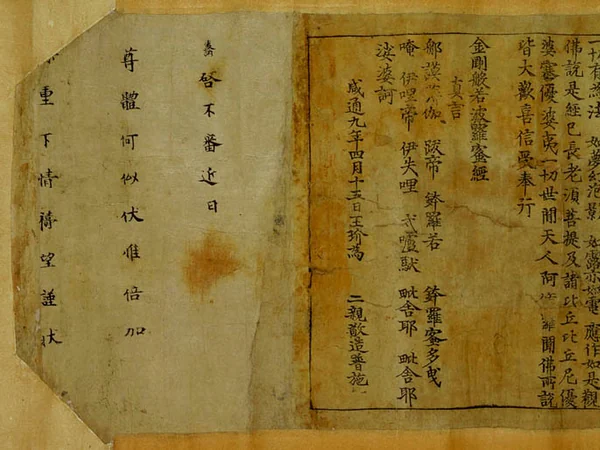
By the late nineteenth century, the term Silk Road was gaining scholarly currency while European and Russian institutions organized expeditions in Central Asia and western China. Their aims varied across geography, archaeology, linguistics, intelligence and collecting.
British-linked travelers reached Kashgar through networks connected with India and recorded routes, politics and terrain. Their work belonged to a broader rivalry often called the Great Game; describing them only as merchants hides that context.
Russian expeditions approached from the north and included geographers, botanists, cartographers and officials. Scientific results can be valuable while the political purpose and collection history still require scrutiny.
Expeditions investigated ruined settlements around Turpan and other oasis regions.
Local residents, dealers, officials and laborers were participants in the collecting economy, not an anonymous background. Objects entered private and institutional collections through purchases, excavation and removals under standards very different from current heritage practice.
As manuscripts reached scholars, decipherment opened new evidence for languages, religions, administration and daily life. That achievement does not erase disputes about ownership, permission and the separation of finds from their archaeological context.
Sven Hedin's surveys and publications drew attention to the Tarim Basin and Loulan. His work should be read alongside the history of imperial geography and the fact that manuscripts and objects left their find locations.
A competitive period of expeditions followed around the Taklamakan. Modern archaeology now emphasizes documentation, conservation and legal authority rather than a race for portable objects.
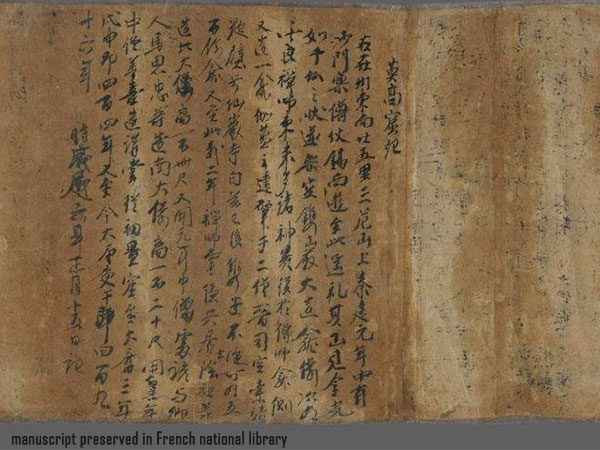
The Library Cave at Mogao Caves in Dunhuang contained tens of thousands of manuscripts, paintings and printed works in multiple languages. The collection includes religious texts, contracts, letters and literature. The Diamond Sutra dated 868 is often highlighted, but the archive's value is much broader.
Today, Dunhuang materials are dispersed among institutions in China and several other countries. Digital projects can reconnect images and catalog records, although access, descriptions and rights differ by collection.
When visiting a museum, record the object's excavation or purchase history as well as its beauty. When visiting Mogao, follow current photography and access rules; conservation takes priority over reproducing an expedition-era experience.
From $ 3510
From $ 3061

From $ 3683