Your China & Yunnan Travel Experts


Silk is a protein fiber produced by several insects; the best-known cultivated textile silk comes from the cocoon of the silkworm Bombyx mori. Sericulture and weaving developed in China over a long period, with early archaeological evidence predating the Han dynasty. The Silk Roads later carried raw silk, yarn and finished cloth through courts and regional markets. Compare silk with other Silk Road goods, learn how relay commerce worked in the merchant networks guide, and place changing demand in the Silk Road chronology.
What Is Silk?
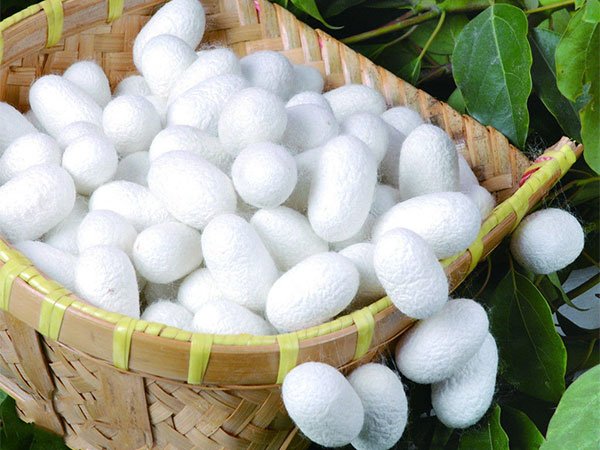
A silk filament has a fibroin core coated with sericin. Producers soften the cocoon, reel filaments together and then prepare yarn for weaving or other textile techniques. Degumming removes much of the sericin and changes the fabric's feel and luster. “Silk” therefore describes a material, not one universal cloth. Weave, weight, dye, finishing and later repair all affect an object's appearance.
Other insects and spiders produce silk-like fibers, but these are not interchangeable with cultivated silkworm textile production. Museum labels should distinguish fiber identification from a visual guess. Modern “silky” fabrics may be rayon or polyester, so a traveler buying cloth should ask for a written fiber composition rather than rely on a burn test or sales claim.
Advantages
1. Silk can feel smooth and light.
Fine filaments and different weaves can create a smooth surface, soft drape or crisp structure. Comfort depends on fabric construction, lining, climate and the wearer; it is not a medical property.
2. Silk can absorb moisture.
Silk can take up some moisture and may feel comfortable in suitable conditions, but sweat, deodorant and water can mark certain dyes or finishes. Care instructions depend on the garment.
3. Silk is versatile rather than inherently flame-retardant.
Silk has been used for clothing, banners, book covers, paintings and furnishings. It should not be marketed as fireproof, dust-purifying or a substitute for acoustic material. Historic uses reflect availability, craftsmanship and status.
4. Light can damage silk.
Ultraviolet and visible light can weaken fibers and fade dyes. Museums limit exposure for this reason. Travelers should store valuable textiles away from strong sunlight instead of treating UV absorption as a health benefit.
5. Historic silk deserves material-specific care.
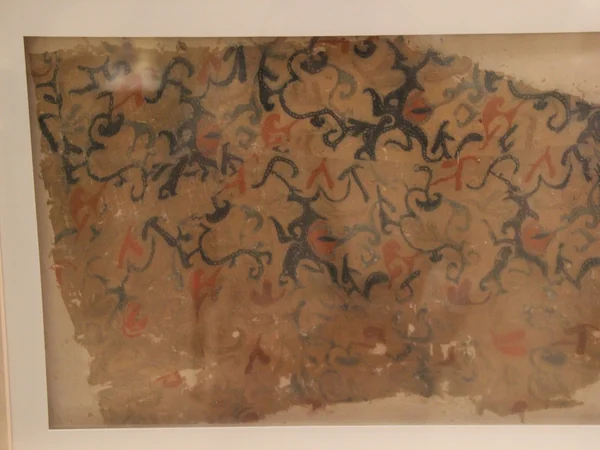
Age, metallic thread, embroidery and previous restoration can make a textile fragile. Do not wash an antique because a modern silk scarf is washable. Conservation advice should come from a qualified textile specialist.
Disadvantages
Silk can crease, abrade, fade or weaken with light, perspiration and unsuitable cleaning. Some dyes bleed in water, and insects can damage soiled natural fibers. Check the care label for modern garments; avoid perfume, rough jewelry and prolonged sun. These limitations are more useful to a buyer than unsupported claims about amino acids or “second skin” effects.
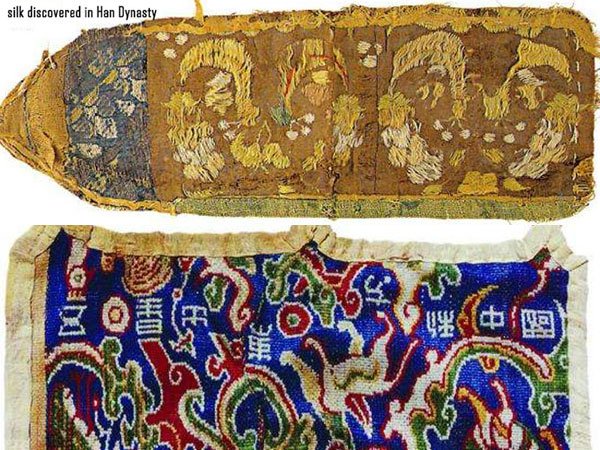
Chinese silk production has deep prehistoric roots, but dates, sites and fiber identifications should be tied to specific archaeological reports. In early states, silk could signal rank, serve ritual purposes and function as a gift or payment. Production gradually broadened while remaining labor-intensive.
By Han times, silk moved through diplomacy and trade toward Central and West Asia. It often passed through several intermediaries rather than traveling in one Chinese caravan to Rome. Its high value relative to weight made it suitable for long-distance exchange, yet horses, glass, metals and other textiles were equally important to understanding the network.
Silk found outside China does not automatically reveal who carried it or which route it followed. Fiber analysis, dye, weave, archaeological layer and associated objects help narrow an interpretation. Maritime exchange also carried textiles, especially in later periods.
For travelers, the best evidence appears in museums with documented provenance, tomb murals that show dress in context, and workshops that explain reeling and weaving without pretending to reproduce every ancient technique. When buying, ask where the silk was woven, whether embroidery is hand or machine made, and what return documentation is provided.
The enduring importance of silk lies not in one luxury legend but in the labor, technology, fashion, diplomacy and commercial networks it connected across different centuries.
From $ 3510
From $ 3061
From $ 3683
Editorial accountability
Hu Lei, CEO. The named owner is responsible for travel-planning accuracy and escalation of time-sensitive checks.
Yuntian Travel (Yunnan) Group is identified in its corporate profile as a licensed professional inbound travel service provider based in Kunming, China. Registration and travel-service documents can be requested before booking.
Page-specific references where cited, official destination, transport and entry notices, YUNSKY route-planning records, and direct provider confirmation before a booking is finalized.
Content is reviewed when rules, transport, access, pricing or route conditions change. Final availability and operating details are reconfirmed for each traveler’s dates.
Quality review: Page updated:
