Your China & Yunnan Travel Experts


Reviewed August 27, 2026. The best city in China for a traveler from Southeast Asia depends on the trip's purpose, not nationality alone. First-time history, contemporary design, food, karst scenery, family roots, cool-weather landscapes and slower lakeside travel lead to different choices. The ten cities and regions below are compared by what they do best, likely trip length, transport logic and important limits. Entry rules, attraction reservations, weather and transport schedules change; verify them with China's National Immigration Administration, the attraction and the transport operator before departure.
A practical first trip usually combines two or three bases connected by a direct flight or train. Do not select cities only because they look close on a map: airport transfers, large railway stations, mountain roads and check-in time can consume a day. Start with one anchor city, add one contrasting destination and keep an alternative for weather or ticket changes.
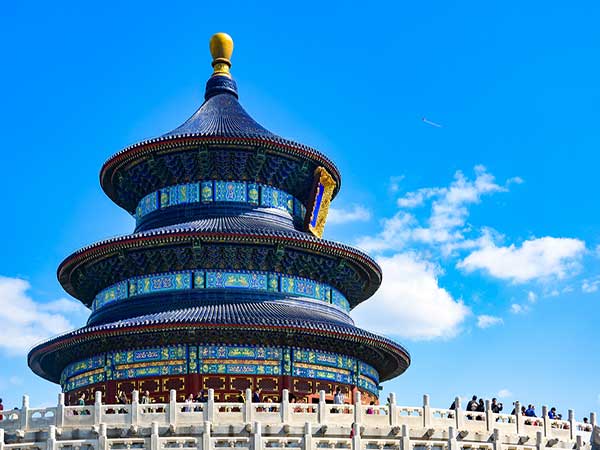
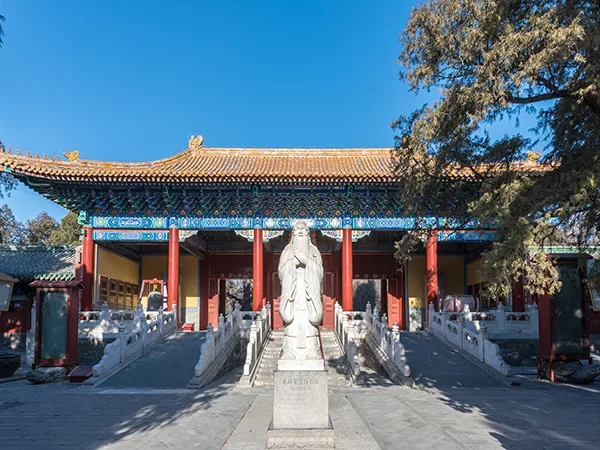
Use the Beijing travel guide to plan the Forbidden City, Temple of Heaven, Summer Palace, museums, hutongs and one Great Wall section as separate decisions. Beijing offers the broadest concentration of nationally significant sites, but scale, security and traffic make rushed sightseeing unrewarding. A four- to six-night stay lets visitors interpret an imperial complex, a ritual landscape and the modern capital without placing three major sites in one day.
Best for: First-time visitors, Chinese history, architecture, museums and travelers who want a Great Wall day from one major transport hub.
Route design: Group sights by area and reserve the Forbidden City through current official channels. Mutianyu, Badaling, Jinshanling and Simatai offer different transport, restoration and hiking profiles; choose one by walking ability and interest rather than fame alone.
What to verify: Seasonal heat or cold, attraction reservations, passport requirements, the exact Great Wall entrance and any closure. Hutongs are living neighborhoods, so use a respectful route that does not treat residents' homes as a stage.
Recommended stay: four to six nights, with the Great Wall on its own day and a museum or park as the weather alternative.
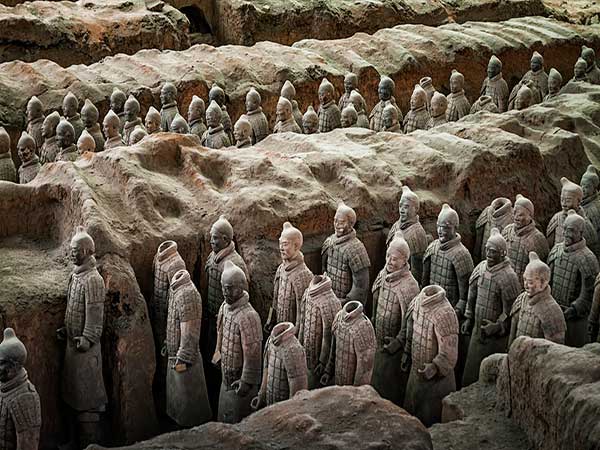
Xi'an rewards travelers who want to understand early imperial statecraft, burial practice and the eastern end of historic Silk Road exchange. The Terracotta Army is an archaeological site and museum complex outside the center, not merely a photo stop; allow time for transport, security and interpretation of the pits and conservation work. The City Wall, pagodas, museums and food traditions reveal later chapters without pretending every dynasty can be covered in one visit.
Best plan:
Spend one dedicated day at the Terracotta Army, one city-history day and one flexible half-day for a museum, neighborhood or performance. Three to four nights work well.
Important context:
The Muslim Quarter contains religious, residential and commercial life as well as food streets. Visit mosques only under current entry rules, dress and photograph respectfully, and avoid reducing Hui culture to snacks. Huashan is a separate mountain journey with weather, steps and exposure; it is not an automatic Xi'an add-on.
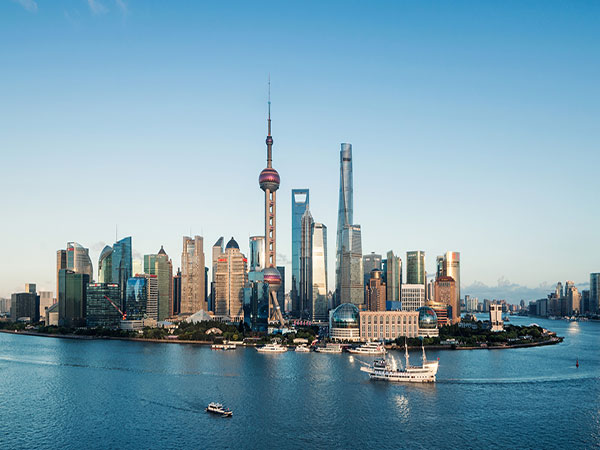
The Shanghai travel guide helps separate the Bund, Pudong, museums, historic neighborhoods, gardens and nearby water towns. Shanghai is most meaningful when the skyline is paired with trade history, design or a well-chosen collection. Plan one district at a time; a Bund walk, river crossing and museum can already fill a day. Three to five nights allow an indoor weather plan and an optional day trip.
Shanghai suits travelers seeking international flight access, food diversity and a modern-city finish. It is not a shortcut to “all of China.” Yuyuan Garden, former concession streets and lilong neighborhoods require careful historical framing and respect for current residents. Reserve popular museums where required and confirm Disneyland operations separately if a family theme-park day is a priority.
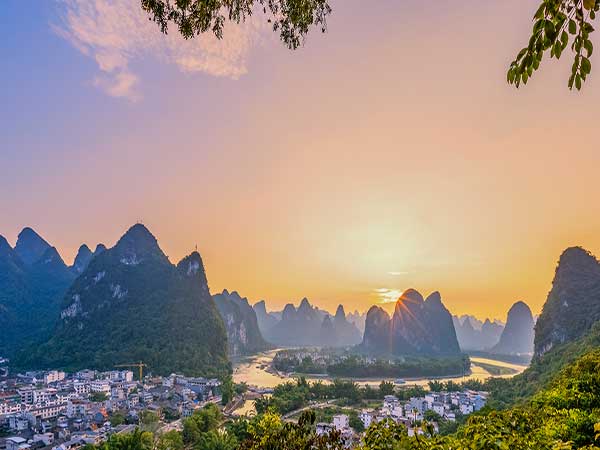
Guilin is a transport base; Yangshuo and the Li and Yulong river landscapes provide the slower rural experience many visitors imagine. A Li River cruise offers long scenic views, while cycling, hiking, caves and rice terraces add very different physical demands. Keep Guilin city, Yangshuo countryside and Longji Rice Terraces distinct in the plan.
Best plan:
Use three to five nights for one river day, one countryside day and a weather alternative. Stay in one Yangshuo base if evenings and rural mornings matter more than daily city transfers.
What to verify: cruise boarding, river conditions, cave steps, bicycle traffic and the long stairways at Longji. Karst scenery is valuable in mist as well as sun, but heavy rain can change paths and boat operations.
Kunming combines museums, markets, parks and transport links to Dali, Lijiang, Xishuangbanna and other Yunnan destinations. Its “Spring City” nickname reflects a broad reputation, not a promise of identical weather; strong sun, rain and cool evenings still shape a visit. The city is valuable for regional context before moving to smaller destinations.
Best plan:
Spend two or three nights with Yunnan Provincial Museum, a park or market and one carefully assessed excursion. The Stone Forest is a full day with uneven limestone routes, while Dianchi and Western Hills have different access and seasonal conditions.
Cultural standard: use museums and locally led interpretation to explain Yunnan's diverse living communities. Avoid presenting ethnicity as costume entertainment, obtain consent for portraits and learn who operates any village or workshop visit.
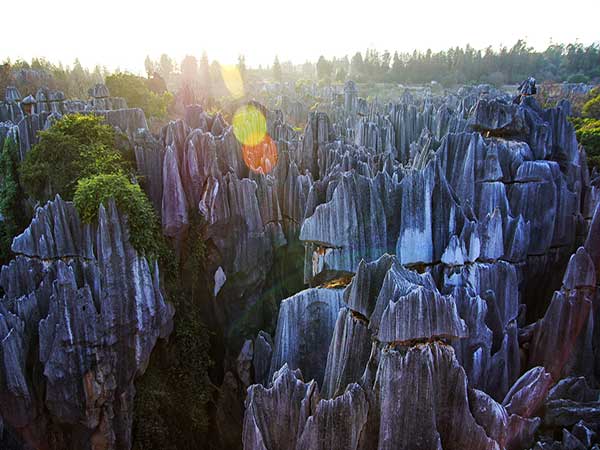
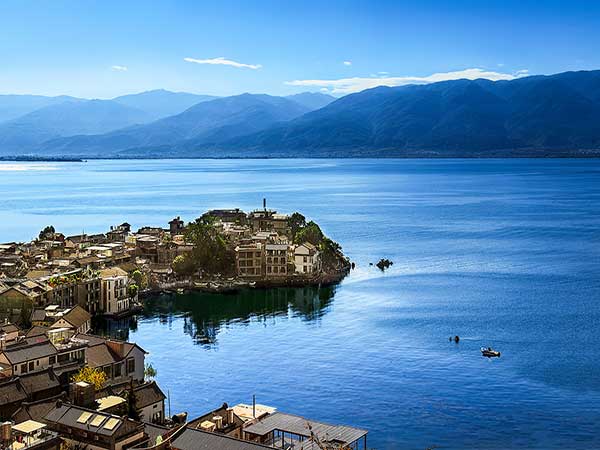
Dali works for travelers who want Bai cultural history, Erhai Lake scenery and a base that feels less intense than a major metropolis. The old town, lakeshore villages, markets and temples are living places rather than a single preserved set. Separate documented history from romantic slogans, and choose experiences that benefit local guides, makers and residents.
Plan three or four nights and select only one side of Erhai for a day. A full lake circuit is long and traffic-heavy; cycling conditions vary. Cangshan cableways do not eliminate altitude, steps or weather exposure. Confirm the actual route, protect against strong ultraviolet light and leave a lower-effort option for rain or fatigue.
Dali pairs naturally with Kunming or Lijiang by rail, but moving every one or two nights defeats the slower pace that makes it worthwhile.
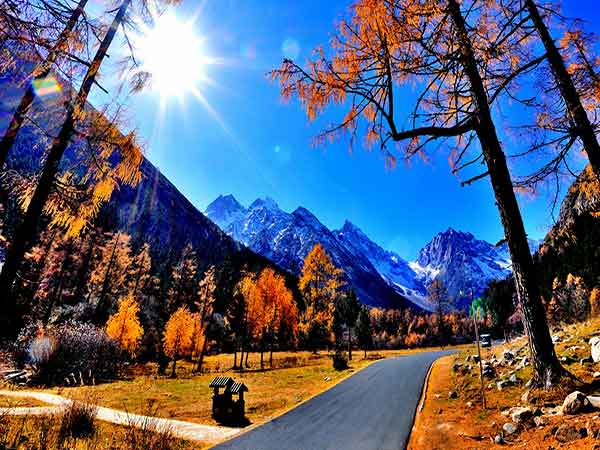
Garzê Tibetan Autonomous Prefecture offers high mountain landscapes, monasteries, grasslands and communities with their own languages and histories. It is not simply a “snow mountain near Chengdu.” Road days can be long, weather changes quickly and sleeping elevation may rise faster than a traveler expects. Cultural visits require local guidance, current access information and respectful conduct at religious sites.
Best plan:
Choose a limited corridor with gradual ascent and contingency days rather than collecting remote sights. Hailuogou, Tagong, Danba and other destinations have different elevations, road conditions and seasonal access.
Health boundary: CDC's 2026 Yellow Book says any unacclimatized traveler sleeping at about 2,450 meters or higher can be at risk of altitude illness. Fitness does not remove that risk. Discuss the route with a qualified clinician, ascend gradually and know when symptoms require descent and medical attention.
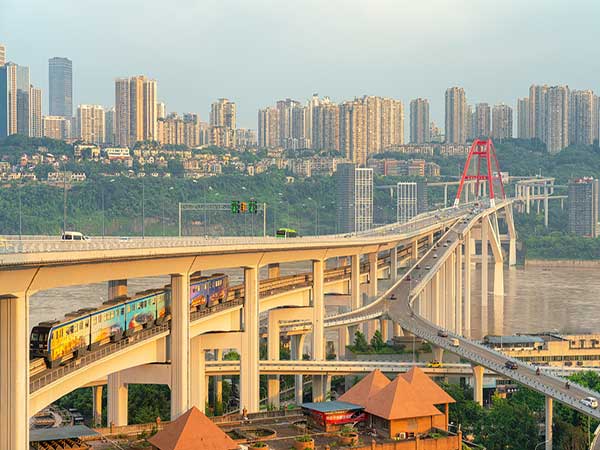
Chongqing's river valleys, bridges, layered streets and rail system create an unusual city experience. Hongya Cave, Liziba, the Yangtze River Cableway and night viewpoints are visually striking, yet queues, slopes, stairs and traffic can outweigh a quick photo. The city deserves interpretation of wartime history, migration and river commerce as well as its online-famous architecture.
Best plan:
Allow three nights, organize one route by elevation and avoid crossing the central districts repeatedly. A river cruise or museum can replace an outdoor viewpoint in extreme heat or rain.
Food and access: hot pot can be adjusted but broth and sauces may already contain chile, animal products or allergens. Ask before ordering. Confirm cableway, metro lift and attraction status on the day rather than treating a viral route as guaranteed.
The Chengdu travel guide can connect an early panda visit with teahouses, museums, Sichuan food and a separate Sanxingdui day. Panda viewing should support conservation education: do not promise touching, feeding, cub access or a specific behavior. Check the chosen facility's route, current program and animal-welfare rules directly.
Best plan:
Stay three or four nights. Pair a cooler early-morning panda visit with a slower afternoon, then dedicate another day to Sanxingdui if archaeology is important. Leshan and Mount Emei add substantial travel and should be evaluated separately.
Chengdu is a useful lower-altitude base before some Sichuan journeys, but it does not acclimatize a traveler for every mountain route. Use current weather, health and road information before extending west.

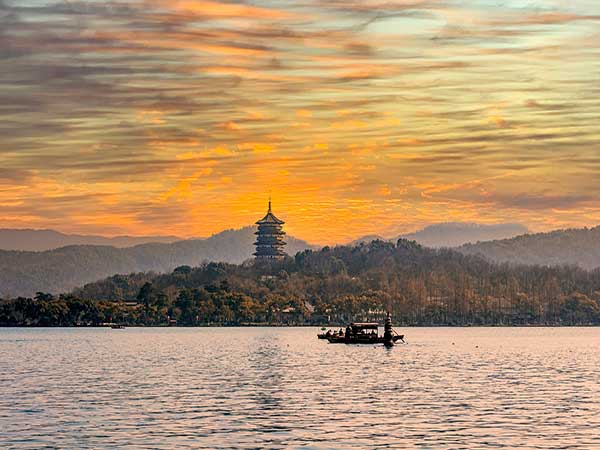
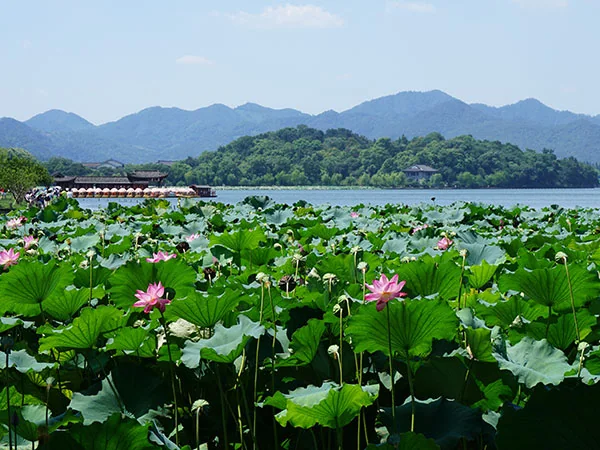
Hangzhou suits travelers who prefer a graceful, slower contrast to Beijing or Shanghai. West Lake can be explored by one shoreline, a short boat ride, gardens and museums rather than a rushed full circuit. Tea villages and Lingyin Temple add depth but involve traffic, steps and commercial pressure; choose a specific purpose for each visit.
Best plan:
Two or three nights are enough for a lake-focused stay, while a water-town excursion requires another day. Hangzhou connects conveniently with Shanghai by train, but station size and hotel transfers still need realistic time.
Responsible visit: distinguish tea education from a compulsory sales stop, ask about provenance and price before buying, and respect worshippers at temples. Weekends and public holidays can transform a quiet lakeside plan, so check the calendar.
From $ 3061
From $ 1568
From $ 1136
Editorial accountability
Hu Lei, CEO. The named owner is responsible for travel-planning accuracy and escalation of time-sensitive checks.
Yuntian Travel (Yunnan) Group is identified in its corporate profile as a licensed professional inbound travel service provider based in Kunming, China. Registration and travel-service documents can be requested before booking.
Page-specific references where cited, official destination, transport and entry notices, YUNSKY route-planning records, and direct provider confirmation before a booking is finalized.
Content is reviewed when rules, transport, access, pricing or route conditions change. Final availability and operating details are reconfirmed for each traveler’s dates.
Quality review: Page updated: