Your China & Yunnan Travel Experts


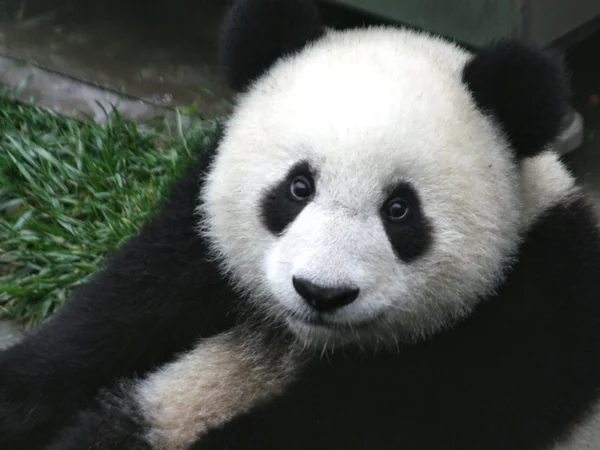
Giant pandas produce relatively few surviving young, which is one reason every birth attracts attention. A cub's earliest weeks are also a reminder that conservation is more complex than simply increasing birth numbers: maternal care, veterinary support, genetic management and protected wild habitat must work together. Begin with the wider giant panda guide if you are comparing viewing bases.
Adults are generally solitary, and a female is receptive during a short seasonal window. Pregnancy length can vary because implantation may be delayed. After birth the mother provides warmth, milk, grooming and protection; the male does not form a family group with her and the cub.
Maternal defensiveness is normal behavior, not a sign that a mother is “bad-tempered.” Quiet den areas and visual barriers help reduce disturbance. Visitors may see a nursery through glass or video, but access is controlled according to animal welfare rather than a fixed sightseeing promise.
A newborn cub is pink, sparsely furred, blind and extremely small compared with its mother—typically around one hundred grams, although healthy birth weights vary. It cannot regulate temperature or move independently. Twins may require carefully managed rotation between the mother and an incubator in professional breeding programs.
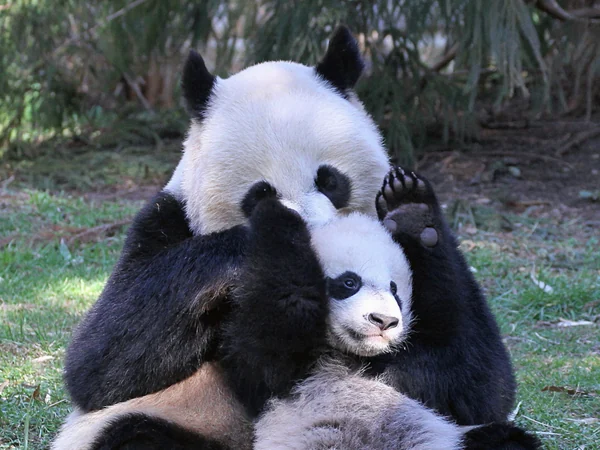
At birth, a cub has a proportionally long tail and only a light covering of fur. The familiar black-and-white pattern is not yet visible. Its priorities are milk, warmth and close physical contact, so even a cub born at a visitor facility may remain out of public view.
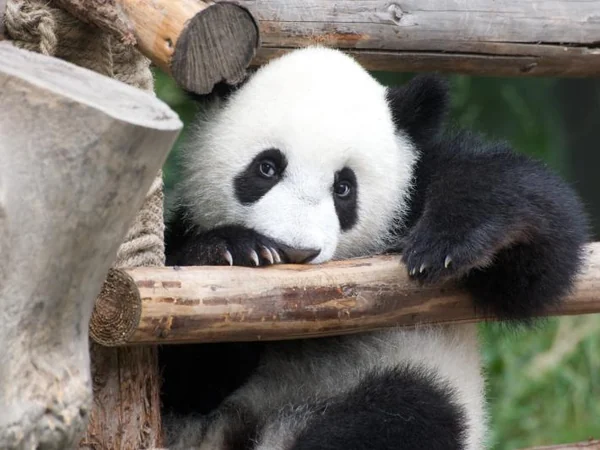
During the first weeks, the mother holds, licks and repositions the cub frequently. Vocal calls help maintain contact. Human intervention is minimized when mother and cub are thriving, while specialists monitor feeding and weight discreetly.
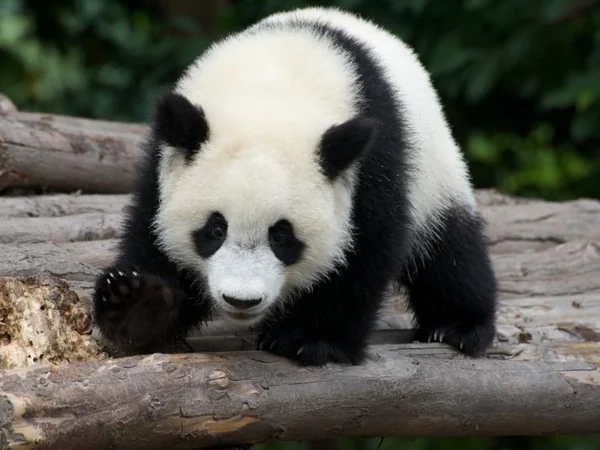
Dark skin and fur markings gradually appear around the ears, eyes, shoulders and limbs. By about one month the cub begins to resemble a miniature panda, though it remains dependent and physically fragile.
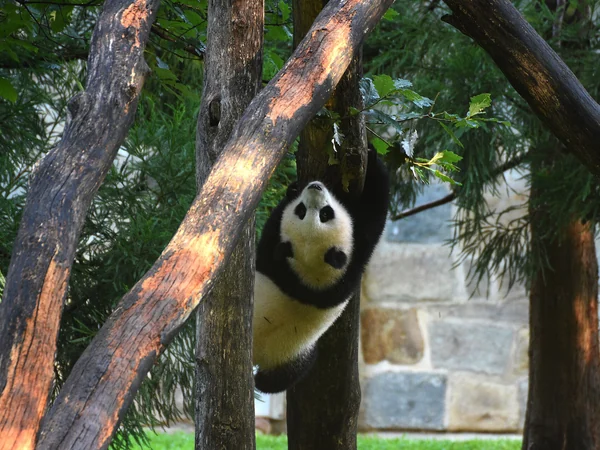
Eyes generally begin to open after several weeks, and teeth emerge later. Development is gradual, so dates given in popular timelines are approximate rather than deadlines for every cub.
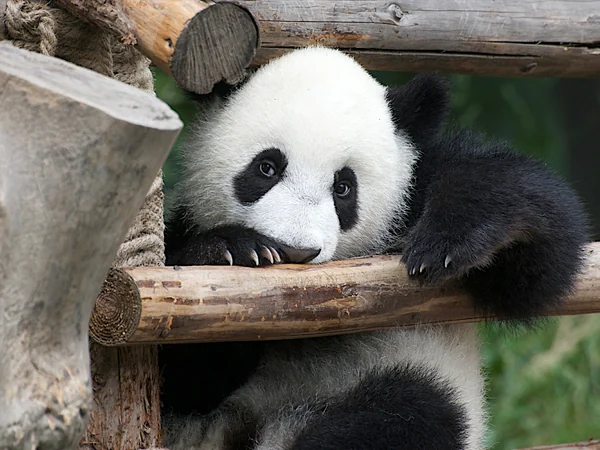
Around three months, coordination improves and a cub may crawl, stand and take unstable steps. Enclosures are designed with low, safe surfaces because falls and tumbles are part of learning.
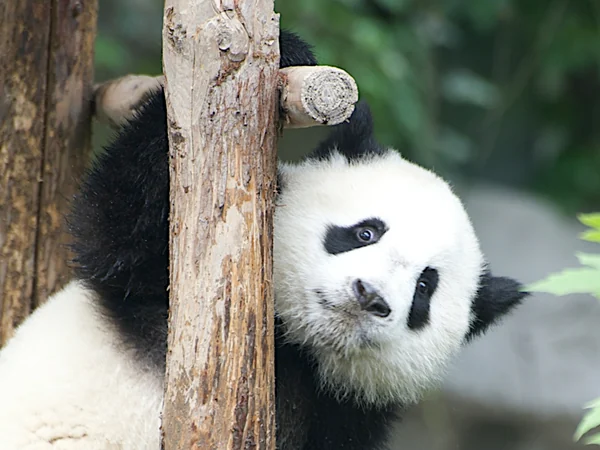
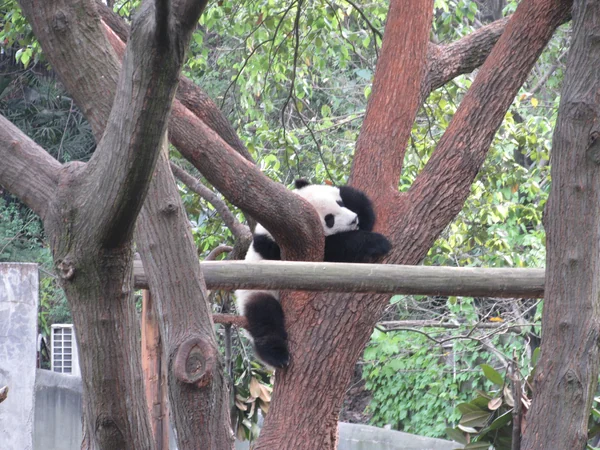
As strength develops, play becomes more visible: rolling, short runs and supervised climbing help build balance. A cub may follow or climb on its mother, but both animals still need opportunities to withdraw from view.
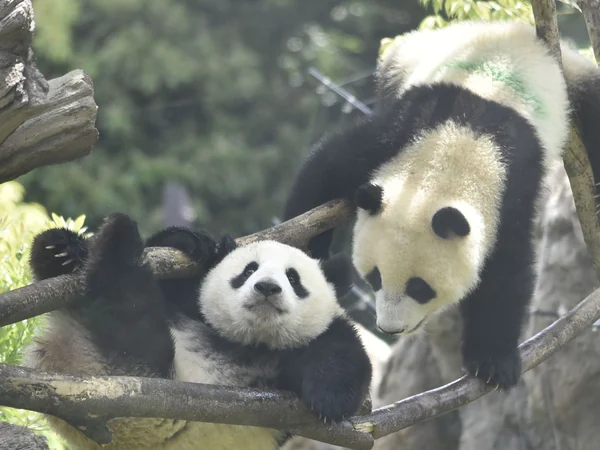
Young pandas remain with their mothers well beyond the first playful months and learn feeding and social signals before separating. Independence often comes around one and a half to two years, depending on the individual and management plan.
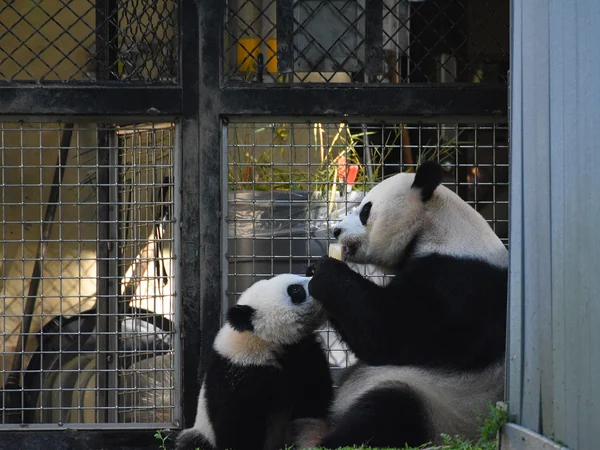
Group presentations of cubs were once widely publicized, but current welfare practice and viewing arrangements vary by institution and season. Birth announcements do not guarantee immediate public access. Check official notices shortly before travel and consider the best panda-viewing bases in China for realistic alternatives.
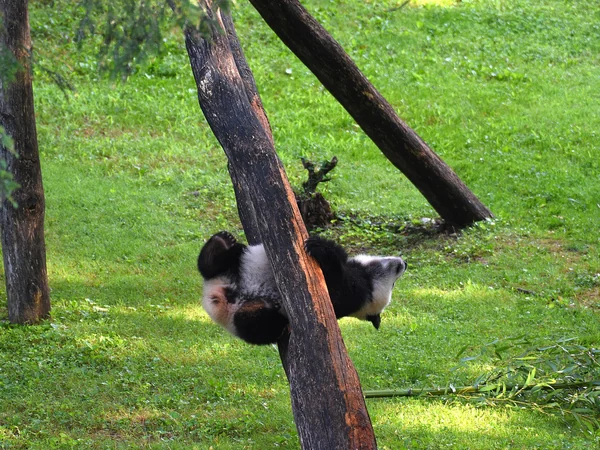
Late summer and autumn can coincide with cub-rearing, yet breeding outcomes and public display dates cannot be predicted for a holiday. A good itinerary treats a cub sighting as a possible bonus, not the only reason for the journey.
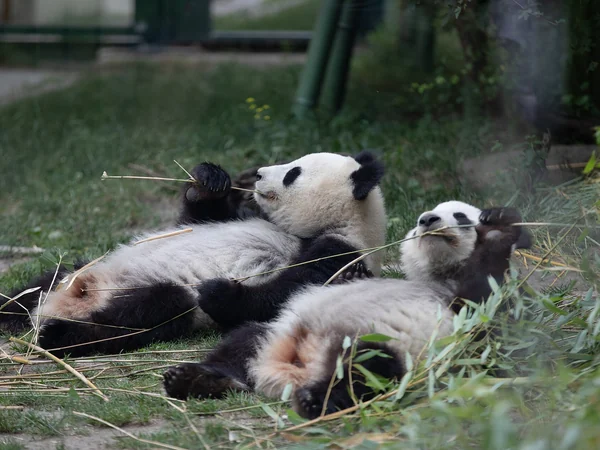
When photography is permitted, use a quiet shutter, switch off flash and remain behind the marked line. A long lens is preferable to calling, tapping or holding up a phone over other visitors.
For the strongest general viewing conditions, arrive early, keep voices low, avoid flash and follow staff directions. If a nursery is closed, adult and subadult pandas still reveal feeding, climbing and scent-marking behavior. Use our panda tour planning guide to build a trip that works without relying on one animal being visible.
From $ 389

From $ 509

From on request
Editorial accountability
Hu Lei, CEO. The named owner is responsible for travel-planning accuracy and escalation of time-sensitive checks.
Yuntian Travel (Yunnan) Group is identified in its corporate profile as a licensed professional inbound travel service provider based in Kunming, China. Registration and travel-service documents can be requested before booking.
Page-specific references where cited, official destination, transport and entry notices, YUNSKY route-planning records, and direct provider confirmation before a booking is finalized.
Content is reviewed when rules, transport, access, pricing or route conditions change. Final availability and operating details are reconfirmed for each traveler’s dates.
Quality review: Page updated: