Your China & Yunnan Travel Experts

Chinese kung fu is a broad popular term for Chinese martial arts; wushu is another common umbrella term and also names modern standardized sport systems. Neither word describes one lineage, technique or philosophy. China's martial traditions developed through military practice, community defense, health cultivation, religious institutions, performance and modern competition. Claims that every style began at one temple or can be traced through an unbroken legendary founder should be treated cautiously.
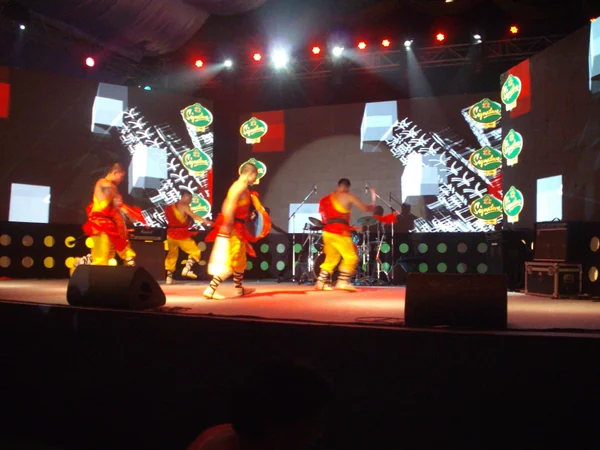
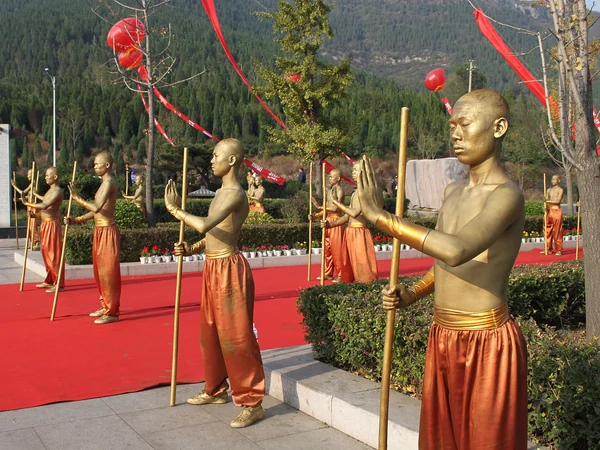
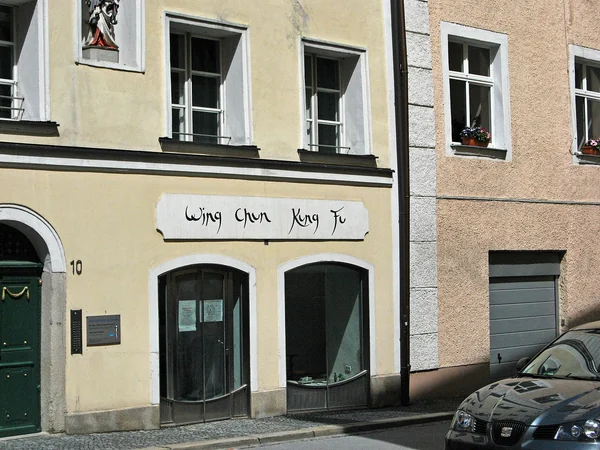
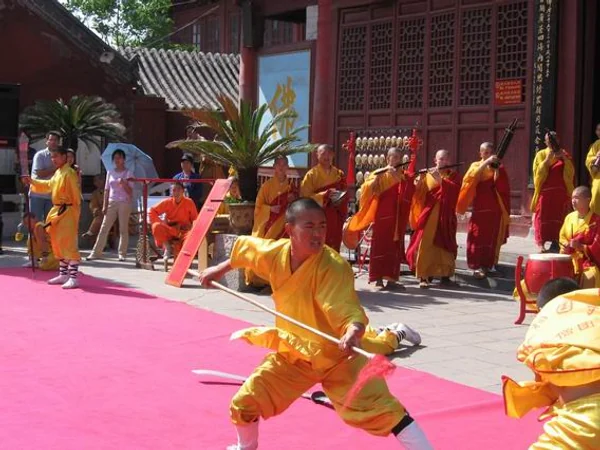
Major approaches: Shaolin is associated with the monastery and martial traditions around Dengfeng, but modern demonstrations, schools and tourism products vary in purpose and quality. Taijiquan uses linked routines, relaxed circular movement, breath regulation and partner work; UNESCO inscribed it on the Representative List in 2020 and describes several schools transmitted through family, master–apprentice and formal education. Qigong covers many systems of coordinated posture, movement and breathing and should not be presented as a guaranteed medical treatment. Named styles such as Wing Chun, baguazhang, changquan and mantis boxing have different training methods and histories rather than forming a simple ranking from “soft” to “hard.”
Planning a martial-arts visit: Decide whether you want a stage performance, museum and heritage visit, introductory class or sustained training. A performance demonstrates skill but is not the same as lineage study; a short class can explain basics but cannot confer mastery. Verify the school, instructor, language support, physical demands, insurance and cancellation terms. The Luoyang and Shaolin itinerary combines the temple region with nearby heritage, while the Luoyang destination guide helps plan the transfer. Travelers seeking a broader martial-arts route can compare the thirteen-day Chinese kung fu tour.
Safety and context: Do not imitate weapons, throws or high-impact movements without instruction. Disclose injuries and avoid schools that promise invulnerability, instant mastery or medical cures. At temples, separate active religious space from commercial demonstrations and follow photography rules. The topic cards below retain the existing page's linked resources, including martial styles and broader China travel lists; use the martial-arts sections for technique and the destination cards only for trip planning.
How to compare styles without turning them into stereotypes
Names can refer to a family tradition, a regional network, a curriculum, a performance category or a modern organization. Two schools using the same name may teach different sequences, while one school may combine several lineages. Northern and southern, internal and external, soft and hard are broad labels rather than reliable quality rankings. Ask what the class actually practices: solo forms, partner drills, striking, grappling, weapons, conditioning, competition or performance.
Historical claims need the same care. Legends about monks, generals and secret transmission are meaningful parts of cultural memory, but they are not automatically dated evidence. A responsible teacher can explain which parts of a lineage are documented, which are oral tradition and which belong mainly to theatre or film. A spectacular demonstration proves athletic skill; it does not prove that every movement was used in historical combat.
Traditional practice and modern wushu
Contemporary wushu includes standardized routines and full-contact sanda competition, with rules, judging and athletic training. Traditional schools may focus on inherited forms, applications, health practice or community identity. These worlds overlap: an athlete can study traditional material, and a lineage school can enter modern competition. The useful question is what is being taught and how progress is assessed.
Forms develop coordination, balance, rhythm and technical vocabulary, but memorizing a sequence is not the same as applying it with a partner. Partner work should be progressive and controlled. Protective equipment, clear rules and an instructor who stops unsafe behavior are signs of a serious environment. Claims of pressure-point knockouts, invulnerability or effortless defeat of any attacker deserve skepticism.
Weapons, qigong and health claims
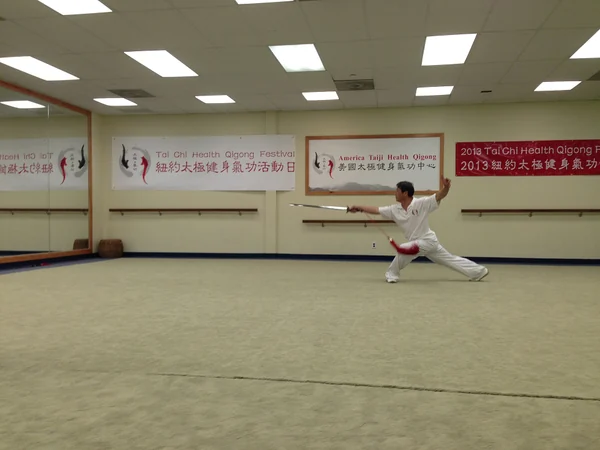
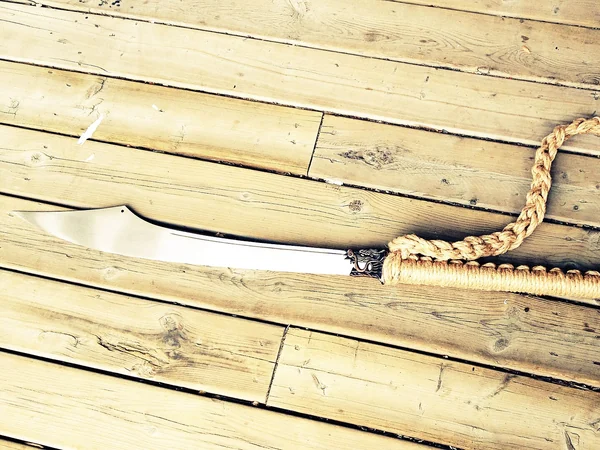
Chinese martial traditions include staffs, straight swords, sabres, spears and many specialist weapons. Tourist classes should use safe training versions and adequate spacing. A polished metal edge, flexible competition weapon or heavy pole can injure bystanders even when the movement looks simple. Never practice in a hotel room, crowded park or temple courtyard without permission and supervision.
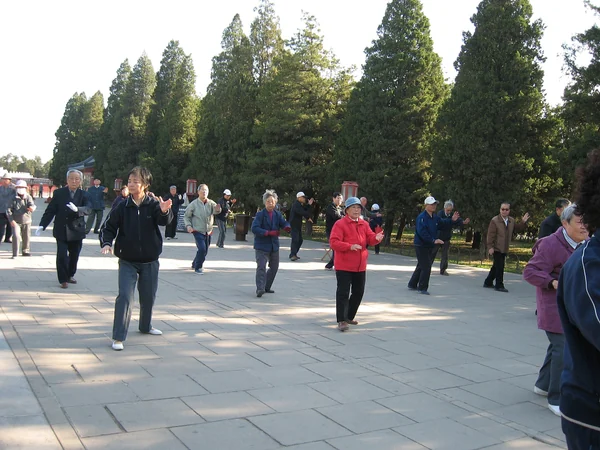
Qigong and taijiquan can offer gentle coordinated movement, attention and social practice, but intensity and suitability vary. An instructor should be willing to adapt stance depth, impact and duration. Martial arts teaching does not replace diagnosis or medical care. Be cautious when a school requires stopping prescribed treatment, guarantees a cure or links advancement to expensive unverified products.
Choosing a class or residential school
For a one-off class, confirm the location, language, duration, clothing and physical level. For longer training, ask for the daily timetable, instructor-to-student ratio, rest days, accommodation, meals, heating or cooling, internet, laundry and access to healthcare. Find out whether the named teacher regularly teaches your group or appears only in advertising. Request written prices and refund terms before paying.
Observe one class if possible. Students should have space, equipment should be maintained and corrections should be specific rather than humiliating. A reputable school does not force a beginner into full-contact sparring, painful flexibility work or public weapon demonstrations. Minors need clear safeguarding, supervision, consent and emergency procedures.
Etiquette during a martial-arts visit
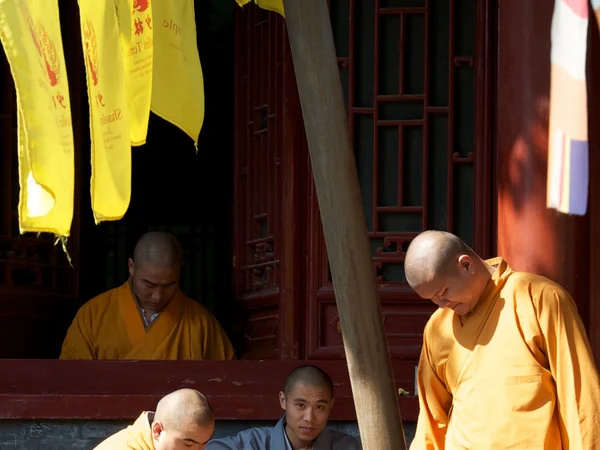
Follow the host's greeting, footwear, photography and training-space rules. Do not handle weapons, altars, certificates or personal equipment without invitation. Ask before filming another student, and do not publish children's faces without appropriate consent. At Shaolin or another religious site, monks, worshippers, heritage buildings, commercial schools and stage shows may occupy related but distinct spaces.
The best short visit leaves the traveler with a realistic first understanding: a few safely taught basics, vocabulary for comparing schools and respect for the people who practice over years. Mastery is not a souvenir, and an honest introduction is more valuable than a certificate promising instant rank.
Editorial accountability
Hu Lei, CEO. The named owner is responsible for travel-planning accuracy and escalation of time-sensitive checks.
Yuntian Travel (Yunnan) Group is identified in its corporate profile as a licensed professional inbound travel service provider based in Kunming, China. Registration and travel-service documents can be requested before booking.
Page-specific references where cited, official destination, transport and entry notices, YUNSKY route-planning records, and direct provider confirmation before a booking is finalized.
Content is reviewed when rules, transport, access, pricing or route conditions change. Final availability and operating details are reconfirmed for each traveler’s dates.
Quality review: Page updated: