Your China & Yunnan Travel Experts

Top 10 Kung Fu Hometowns in China

Top 10 Kung Fu Hometowns in China

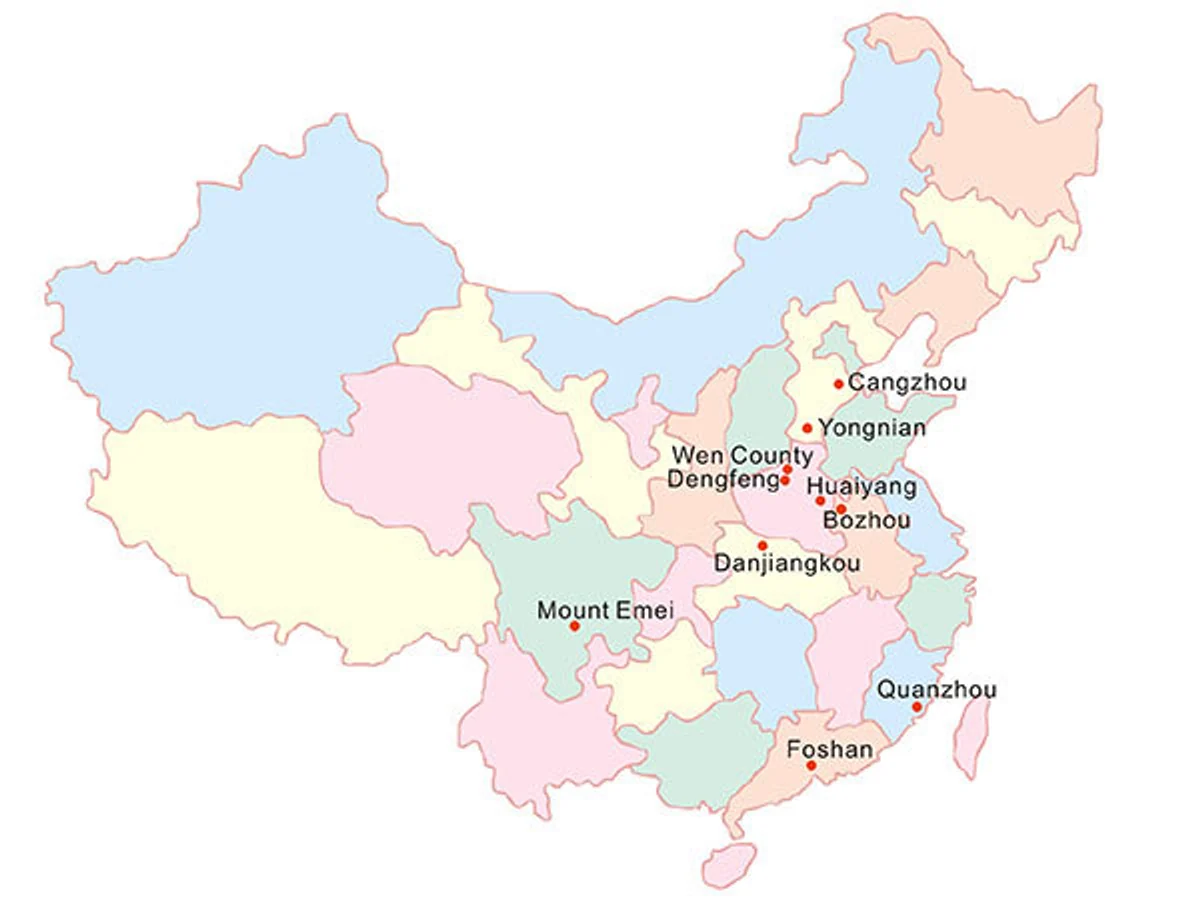
Chinese Kung Fu includes many regional systems, family lineages, performance traditions and modern sport practices. The ten places below are useful travel starting points, not an official ranking and not proof that one city “invented” all martial arts linked with it. Choose according to the tradition you want to study, then confirm museums, schools, demonstrations and class access before arranging transport. For wider context, begin with the Chinese Kung Fu guide.


No. 1 Dengfeng, Henan
Dengfeng is the gateway to Shaolin Temple and the historic monuments around Mount Song. Its martial arts schools range from youth academies to performance-focused and visitor programs. Temple architecture, inscriptions and the Pagoda Forest provide essential context beyond the stage show. Compare the options on the Henan destination page, and verify exactly who teaches any advertised course.

No. 2 Foshan, Guangdong

Foshan is strongly associated with southern martial arts and figures such as Wong Fei-hung and Yip Man. Museums and memorial sites can introduce Hung Gar, Wing Chun and the city's guild and neighborhood history. The label Chinese Kung Fu capital is promotional rather than a universal historical title. Foshan works well with Guangzhou, but opening hours and demonstration schedules need current confirmation.


No. 3 Wen County, Henan

Chenjiagou in Wen County is closely associated with the development and transmission of Chen-style Taijiquan. It is a focused choice for travelers seeking lineage history, museums or longer-term instruction. A day visit can explain the setting; meaningful training requires more time and a confirmed teacher. Do not assume every village performance is an open class.


No. 4 Cangzhou, Hebei

Cangzhou is known for a dense landscape of martial arts lineages, including empty-hand and weapon systems, as well as nearby acrobatic traditions. Its value lies in regional breadth rather than one signature routine. English-language visitor access may be limited, so pre-arranged interpretation and direct confirmation with a museum or school are especially useful.


No. 5 Yongnian , Hebei

Yongnian, now part of Handan, is associated with Yang Luchan, Wu Yuxiang and important developments in Yang and Wu/Hao Taijiquan. Guangfu Ancient City provides a geographic and historical frame for those lineages. Travelers should distinguish heritage displays from a course and ask which style a teacher represents.


No. 6 Quanzhou , Fujian

Quanzhou offers a strong context for southern Fujian martial culture, including Five Ancestors Fist and White Crane traditions in the wider region. Claims connecting every southern style directly to one “Southern Shaolin” site remain debated. Visit for regional culture, temples and community history, not for a simplified single-origin story.


No. 7 Mount Emei, Sichuan

Mount Emei is primarily a major Buddhist mountain and natural destination, with martial traditions linked to Sichuan in later cultural narratives and practice. It suits travelers who want landscape and religious heritage alongside martial arts context. A generic mountain visit does not guarantee a live Emei-style demonstration, so confirm programs separately.


No. 8 Danjiangkou, Hubei
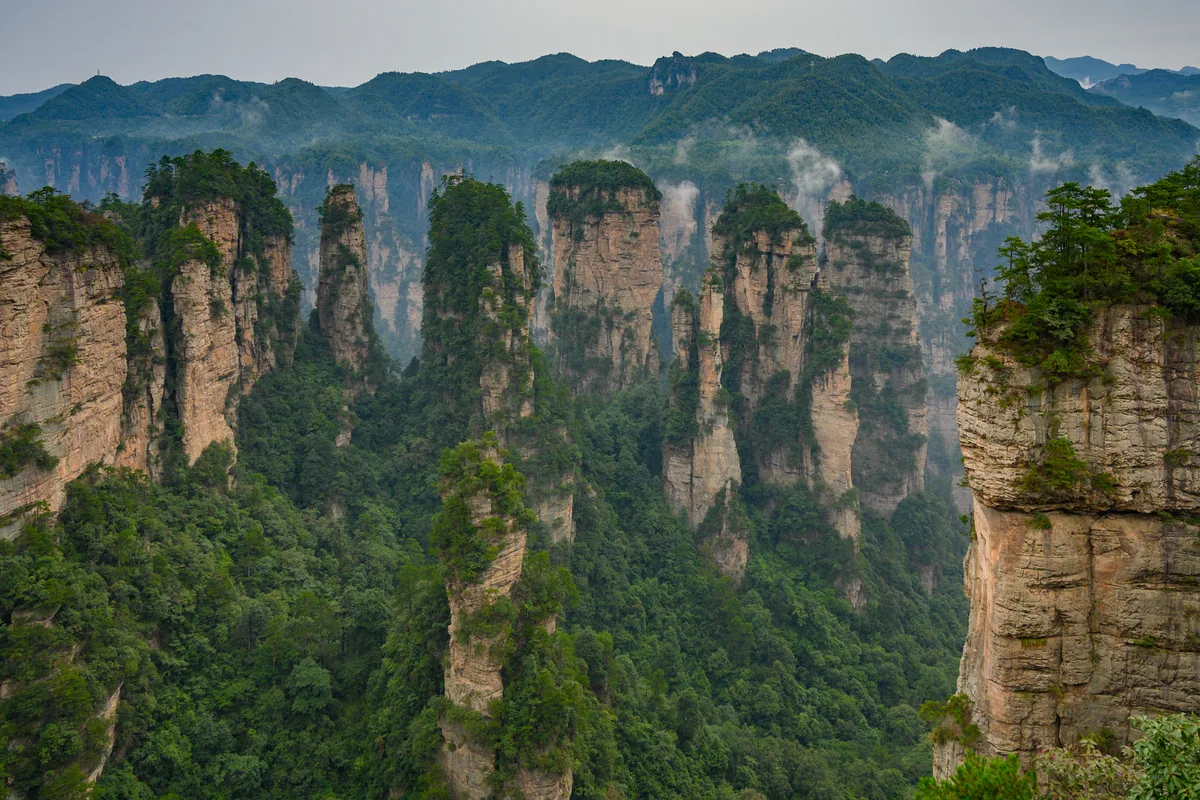
The Wudang Mountains near Danjiangkou connect Daoist sacred architecture, mountain landscapes and martial arts schools. Wudang martial traditions include multiple lineages; the familiar association with the legendary Zhang Sanfeng should be presented as tradition, not settled biography. The Hubei destination guide helps place this remote mountain stop in a wider itinerary.

No. 9 Huaiyang , Henan Province
Huaiyang Huaiyang, in Zhoukou, is better approached through local intangible heritage and regional culture than broad claims that all Chinese Kung Fu began there. Traditions connected with Fuxi are mythic and cultural narratives, not verifiable records of a prehistoric martial arts founder. Confirm any local demonstration or heritage venue before making a dedicated journey.

No. 10 Bozhou, Anhui
Bozhou is known for its association with the physician Hua Tuo, traditional medicine culture and Five Animal Frolics, a health exercise inspired by animal movements. Other martial systems also have local connections, but founding dates and biographies are often transmitted through tradition. Bozhou is the most suitable choice on this list for travelers interested in the overlap between movement culture and medicine history. Across all ten destinations, avoid scheduling a school visit without confirmation: holiday closures, class levels and permission to observe can change.
 

Editorial accountability

How this guide is checked

Named content owner

Hu Lei, CEO. The named owner is responsible for travel-planning accuracy and escalation of time-sensitive checks.

Company and licence status

Yuntian Travel (Yunnan) Group is identified in its corporate profile as a licensed professional inbound travel service provider based in Kunming, China. Registration and travel-service documents can be requested before booking.

Source basis

Page-specific references where cited, official destination, transport and entry notices, YUNSKY route-planning records, and direct provider confirmation before a booking is finalized.

Update basis

Content is reviewed when rules, transport, access, pricing or route conditions change. Final availability and operating details are reconfirmed for each traveler’s dates.

Quality review: Page updated:
Open WhatsApp chat with YunSky Travel